

Get Tested for HIV – Confidential & Anonymous

Human immunodeficiency virus, or HIV, is a virus that targets immune-supporting cells in the body, increasing susceptibility to subsequent infections and illnesses. HIV can be transmitted through intercourse with an infected person, sharing injecting equipment, or unprotected sex. HIV can cause AIDS (acquired immunodeficiency syndrome) if treatment is not received.
Diagnostic accuracy and timeliness are essential when it comes to HIV testing. In order to accommodate the various needs of our patients, we at Vivardi Clinicprovide a variety of HIV test options with accurate results and all-inclusive care. Being aware of these tests enables you to make well-informed decisions regarding your medical care.

Anonymous Testing

It is important for people who value discretion and privacy to know that anonymous HIV testing is one of the many HIV testing options available in Malaysia. At Vivardi Clinic, we recognize the value of privacy, particularly with regard to delicate health issues like HIV status. People who use our anonymous HIV testing services can be sure that their identity won’t be revealed, secure medical reportat any point during the procedure and will also have private consultations if necessary.
What is the Advantages of Anonymous HIV Testing?
Decreased Stigma: Many people are discouraged from getting tested because they fear discrimination or social stigma. By removing this obstacle, anonymous testing encourages more people to ask for assistance.
Prompt and Confidential Care: People are more likely to seek early testing and treatment when they know that their privacy will be protected, which lowers the chance of serious health consequences.
Improved Public Health: We can detect and treat more cases early and stop the spread of HIV in the community by making testing easily accessible and private.
Type of HIV test?
HIV tests come in three varieties: nucleic acid testing (NAT), antigen/antibody testing, and antibody testing.Your immune system produces antibodies in response to viral exposure, such as HIV. Antigens are foreign substances that trigger an immunological response. An antigen known as p24 is produced by HIV positive individuals even before antibodies are developed. HIV testing is usually done on oral fluid or blood. Urine can also be used for them.
Test for antibodies
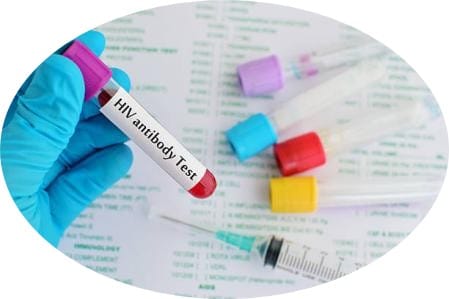
An antibody test searches your oral fluid or blood for HIV antibodies. The majority of quick tests and the only HIV self-test that has been authorized by the FDA in the United States are antibody tests. Tests using oral fluid or blood from a fingerstick can detect HIV later than antibody tests using vein-based blood.
Test for antigens and antibodies
HIV antigens and antibodies are both sought after by an antigen/antibody test. In the US, antigen/antibody tests are frequently used and are advised for laboratory testing. Drawing blood from a vein is required for this lab test. Additionally, a quick antigen/antibody test that uses finger stick blood is offered.
Nucleic acid test (NAT)
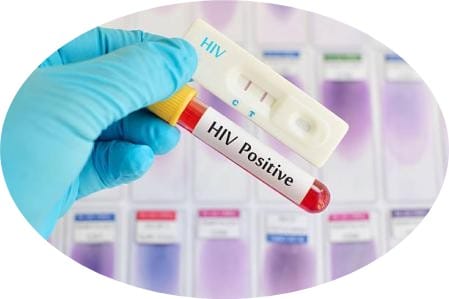
A NATlooks for the actual virus in the blood. With a NAT, the health care provider will draw blood from your vein and send the sample to a lab for testing. This test can tell if a person has HIV or how much virus is present in the blood (HIV viral load test). A NAT can detect HIV sooner than other types of tests. This test should be considered for people who have had a recent exposure or a possible exposure and have early symptoms of HIV and who have tested negative with an antibody or antigen/antibody test.
How long is the Testing results?

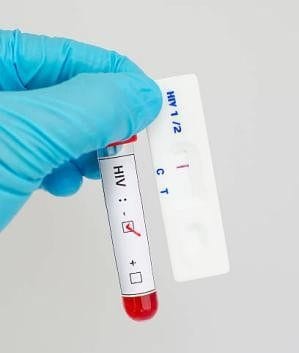
Within 30 minutes or less, results can be obtained from a rapid antibody test, which is typically performed using oral fluid or blood obtained from a finger stick. It takes 30 minutes or less to perform the fast antigen/antibody test using fingerstick blood. When ordering a NAT or antigen/antibody lab test, it could take a few days to get the results.
After get the result?
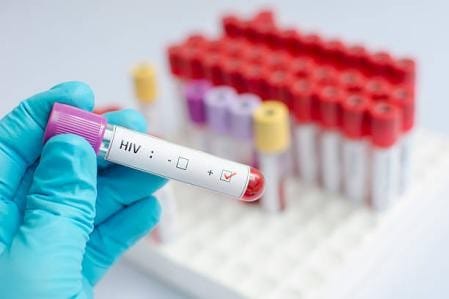
If the outcome of your test is positive. A follow-up test is required to confirm the results of any antibody test you use if the results are positive. If you take an HIV self-test or test in a community program and the results are positive, you should see a healthcare professional for additional testing. The laboratory will perform a follow-up test.
If the outcome of your test is negative It is not always the case that a negative test indicates you are HIV-negative. The window period is the reason for that. If you are tested for HIV following a possible HIV exposure and the test comes back negative, repeat the test within the test’s window of opportunity. Continue taking precautions against HIV if you use needles for drug injection or are sexually active.
Follow Up Care?

This comprises frequent monitoring where regular blood tests to track immune system performance (CD4 cell count) and viral load. Antiretroviral therapy (ART) can effectively stop the spread of viruses. A suppressed viral load enhances health outcomes and lowers the risk of transmission. Support for mental health HIV diagnosis can be difficult. Counselor support, both psychologically and emotionally, is crucial. Counseling services provided by Vivardi Clinic are discreet and compassionate.
FAQ Questions?
1.Is it private to test for HIV in Malaysia?
In Malaysia, HIV testing is indeed private. Also, a lot of locations provide anonymous testing choices so that the test results are not associated with your identity. Malaysian law protects this in order to respect patient privacy and promote testing.
2.How much is to test for HIV in Vivardi Clinics?
The test ranges from RM80-220 depending on the type of test chosen and consultation that are required.
3.How frequently should I have an HIV test?
Your risk factors determine how frequently you should get tested for HIV. Everyone between the ages of 13 and 64 should get tested at least once in their lifetime, with high-risk individuals advised to get tested every three to six months. The Ministry of Health in Malaysia offers specific recommendations for various risk categories.
4.Are tests for HIV accurate?
The accuracy of modern HIV tests is very high. There is a window of time following infection, though, during which tests might miss the virus. In certain situations, a follow-up test may be advised. Malaysian medical professionals adhere to global guidelines for the precision of HIV testing.

Medically reviewed by Dr. Dinesh Kumar, Medical Director, Vivardi Clinics. MBBS (AIMST), LCP-Certified Aesthetic Physician, Cert. Men’s Health. Last reviewed May 2025.
Care at Vivardi is provided by our team of qualified doctors. This page is for general education and does not replace a personal consultation.