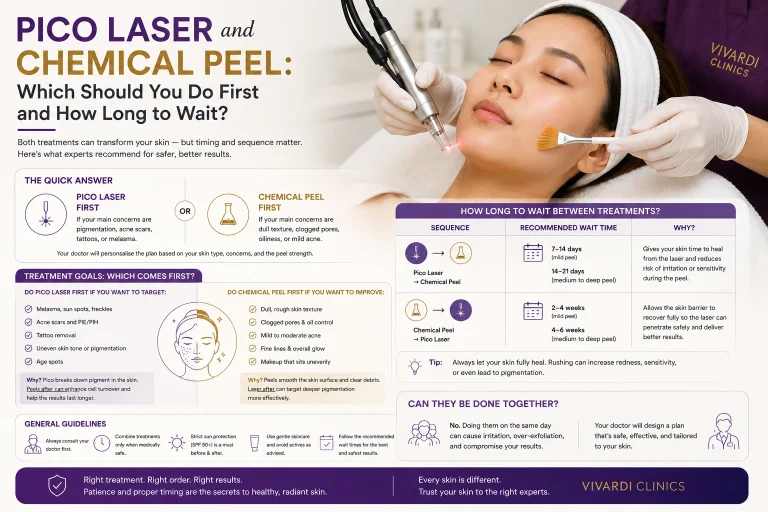
Doctor-led treatment guide
Choosing a chemical peel safely
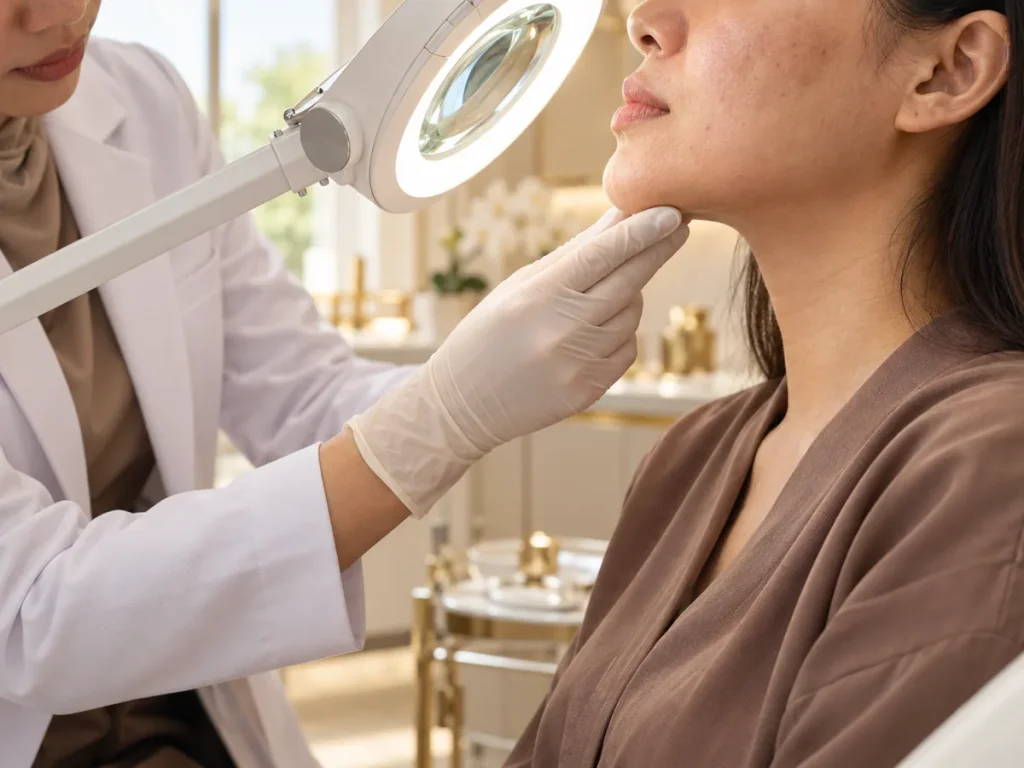
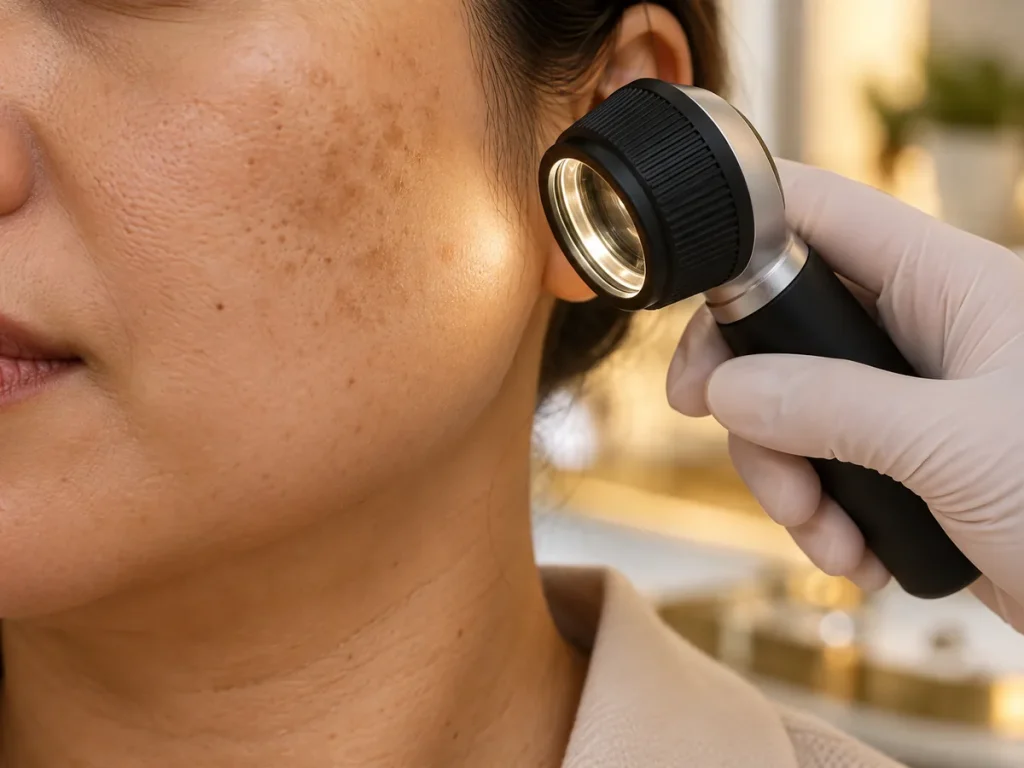
A medical chemical peel uses a controlled exfoliating solution to improve selected acne, pigmentation and texture concerns. The safest choice depends on diagnosis, skin tone, current skincare, previous pigment reactions and acceptable downtime. A stronger peel is not automatically better, and some concerns are better treated with another approach.
Concern-to-treatment decision guide
| Primary concern | What the doctor assesses | Possible direction |
|---|
| Active acne or clogged pores | Acne type, inflammation, sensitivity and current medicines | A carefully selected superficial peel may support an acne plan. Moderate or severe acne may need medical acne treatment first. |
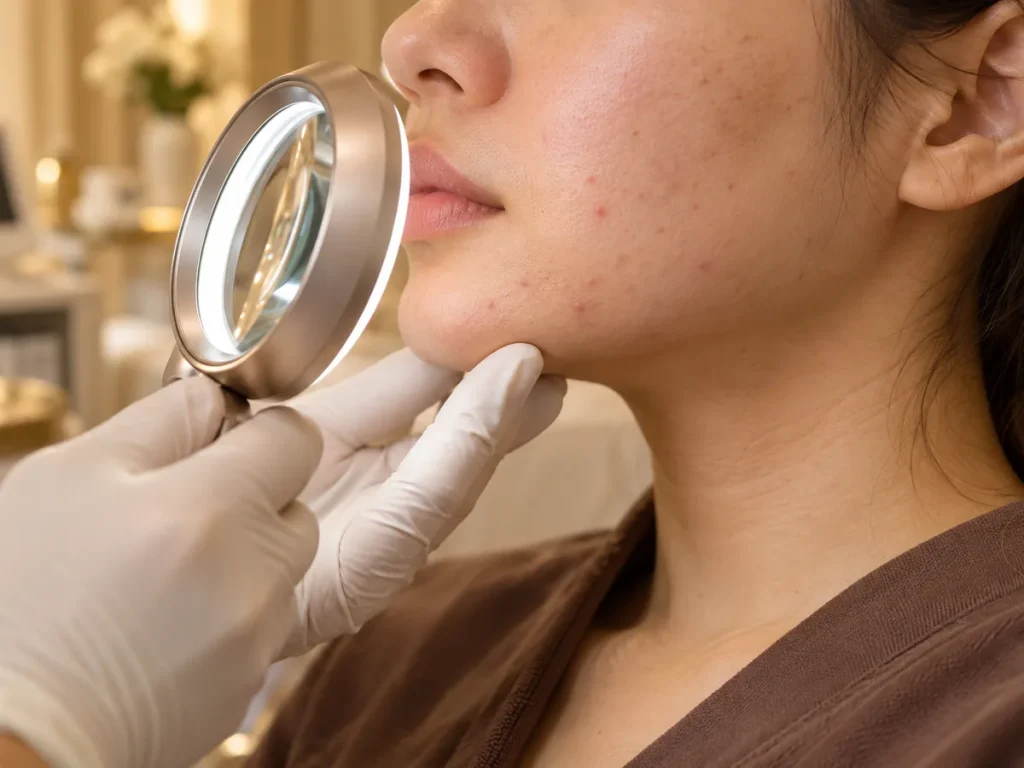
| Post-acne marks or uneven tone | Whether the colour is pigment, redness or a true scar | A peel may help selected superficial pigment. Pico laser or another pigment plan may be more suitable for some cases. |
| Rough texture and mild sun damage | Skin barrier, recent sun exposure and expected downtime | Peel depth and preparation are matched to the skin. Improvement is gradual and maintenance may be needed. |
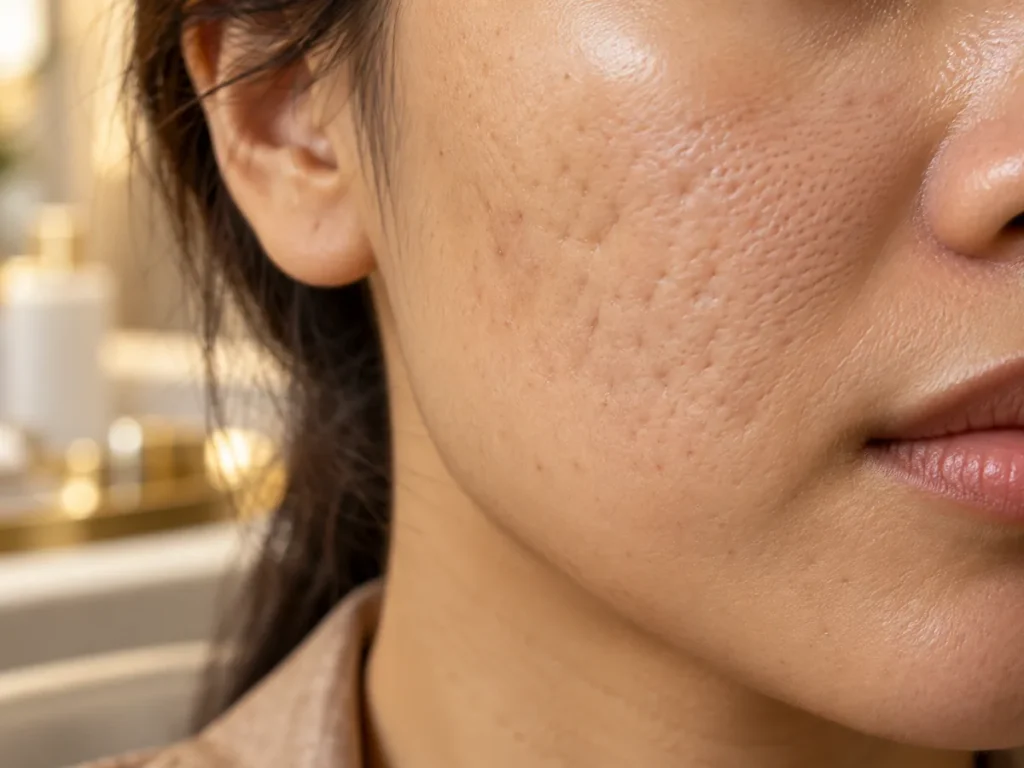
| Indented acne scars | Scar type, depth and active acne | A peel alone may not correct structural scars. Review scar reduction options after a doctor examines the scars. |
Superficial, medium and deep peels
Superficial peels act closer to the skin surface and generally involve less recovery. Medium and deep peels affect deeper layers, require more intensive preparation and aftercare, and carry greater risks. Not every depth is appropriate for every skin tone or available in every outpatient clinic. Your doctor should explain the intended depth before consent.
Who may need to postpone
Treatment may be delayed when there is an active skin infection, open wound, significant irritation, recent strong exfoliation, uncontrolled dermatitis or recent tanning. Pregnancy, a history of abnormal scarring, recurrent cold sores and medicines that affect healing or sensitivity must be discussed during assessment.
Preparation, recovery and realistic limits
Bring a complete list of skincare products, supplements and medicines. Do not add strong acids, scrubs or retinoids immediately before treatment unless your doctor specifically instructs you. After a peel, use the recommended gentle care, avoid picking or peeling the skin, and protect it from ultraviolet exposure. Redness, tightness, flaking and temporary sensitivity vary with peel depth.
A peel may improve selected surface concerns, but it cannot stop ageing, prevent every acne flare or remove every pigment condition. Melasma and post-inflammatory pigmentation can recur. A consultation may instead lead to medical acne care, laser treatment, skin boosters or no procedure until the skin barrier is stable.
Risks and warning signs
Possible complications include prolonged redness, irritation, temporary darkening or lightening, infection and, rarely, scarring. Contact the clinic promptly for worsening pain, spreading redness, pus, extensive blistering, fever, eye-area swelling or an unexpected colour change. Do not self-treat a significant reaction with another acid or bleaching product.
Evidence and Malaysian safety standards
The American Academy of Dermatology chemical peel guidance describes recovery, pigment changes and the importance of experienced assessment for darker skin tones. Malaysia's MOH Guidelines on Aesthetic Medical Practice emphasise patient selection, informed consent, practitioner competency and safety.
Chemical peel FAQs
Which chemical peel is suitable for acne or pigmentation?
There is no single peel for every concern. The doctor considers the diagnosis, skin tone, sensitivity, current treatment and pigment risk before choosing whether a peel is suitable and how superficial it should be.
Is a medical peel different from a facial?
Yes. A chemical peel intentionally creates controlled exfoliation and requires assessment of strength, depth, contraindications and aftercare. A routine facial does not use the same medical decision process.
How much downtime should I expect?
Downtime depends on depth and individual response. A superficial peel may cause short-lived redness or flaking, while deeper treatment can require longer healing and closer follow-up.
Can darker skin tones receive chemical peels?
Selected peels can be used, but pigment change is an important risk. Careful diagnosis, conservative selection, preparation and sun protection are especially important for skin that develops dark marks easily.
When should a chemical peel be avoided?
It may be postponed for active infection, open or highly irritated skin, recent tanning, uncontrolled dermatitis or circumstances that may affect healing. A doctor should review pregnancy, cold-sore history, scarring and relevant medicines.
Medically reviewed by Dr. Dinesh
MBBS (AIMST), LCP-Certified Aesthetic Physician
Reviewed 28 August 2026. This guide supports consultation and does not replace an individual diagnosis.