
Quick, Safe Skin Lesion Removal · Rawang, Selangor
Skin Tags and Warts Removal in Malaysia
Skin tags, warts and other small skin growths can be removed quickly and safely by a doctor. At Vivardi Clinics in Rawang, removal is precise, comfortable and done in a clinical setting, with each lesion assessed before treatment.
- Doctor-led consultation
- Private & PDPA-compliant
- Rawang, Selangor
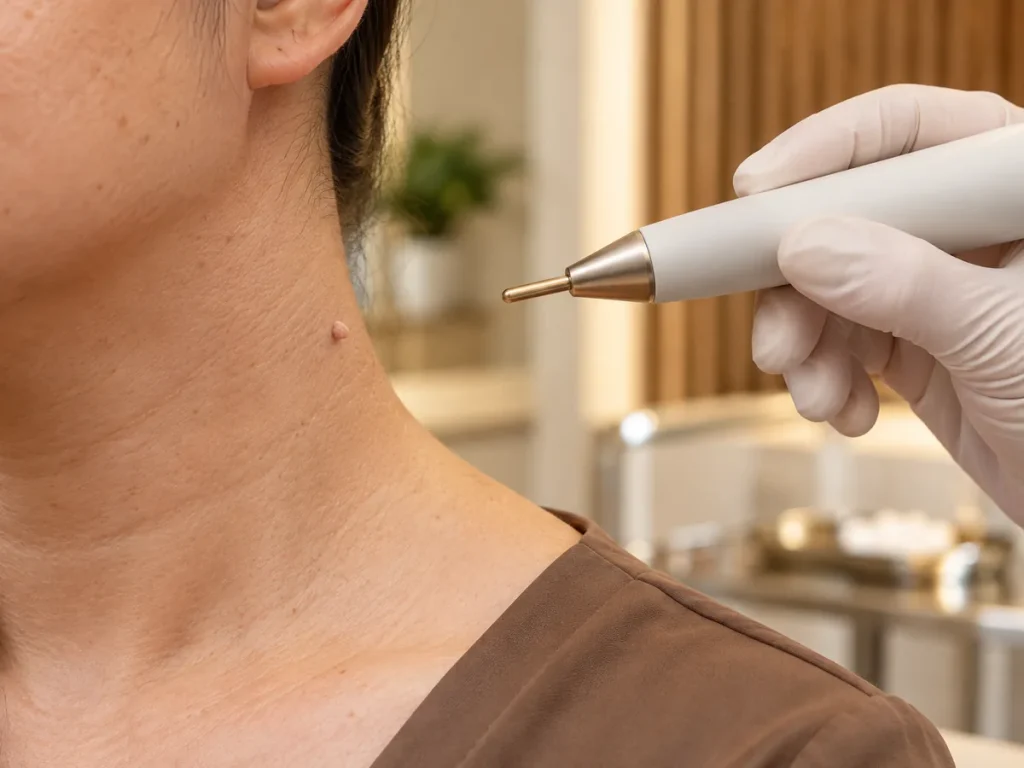 Doctor-led carePrivate & confidential
First stepDoctor confirms diagnosis
NatureUsually harmless
RemovalQuick, in-clinic
AftercareSimple steps explained
SettingPrivate consultation

Private consultation
Speak to a doctor, privately
Book a discreet consultation at our Rawang clinic.
Your enquiry is kept strictly confidential and handled in line with Malaysia's PDPA.
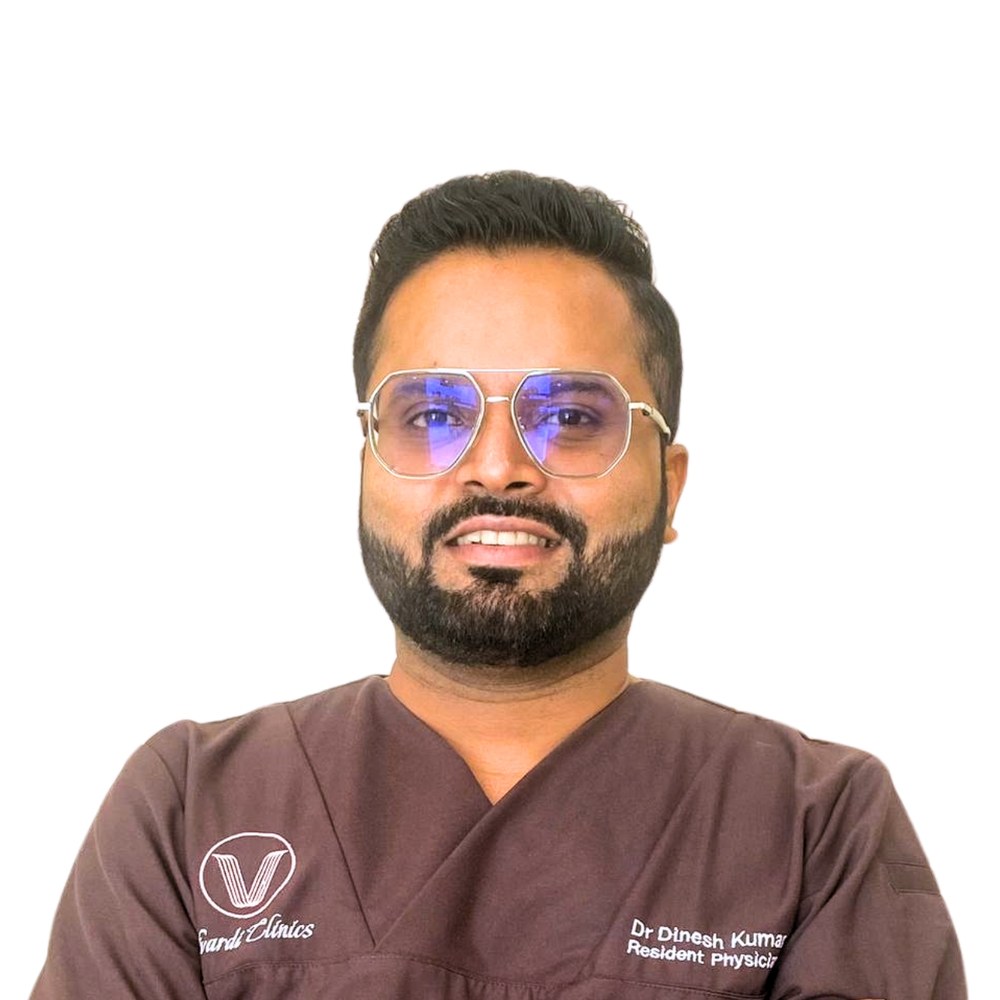
Your doctor
Treated by Qualified Doctors
Dr. Dinesh Kumar
Medical Director, Vivardi Clinics
- MBBS (AIMST)
- LCP-Certified Aesthetic Physician
- Cert. Men’s Health
Doctor-led, safe removal. It is important that skin growths are checked before removal, as some need closer attention. At Vivardi, an LCP-certified doctor assesses each lesion and removes it safely and precisely. Every consultation is private and handled in line with Malaysia's PDPA.
Continue your journey
Explore Related Treatments
Doctors often combine or compare these options. Open any page to read more or ask the clinic.
Oil Seeds Removal
Gentle removal of milia and oil seeds around the eyes.
Explore treatmentHPV Warts Removal
Confidential removal of genital warts.
Explore treatment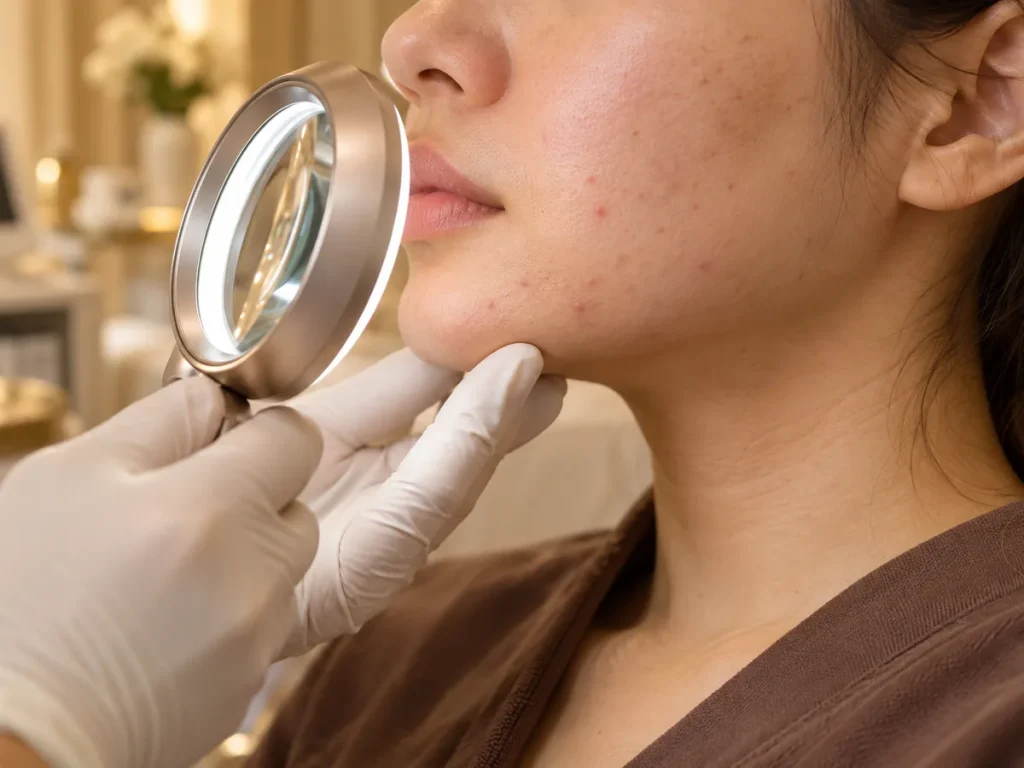
Acne Therapy
Doctor-led care for active acne and breakouts.
Explore treatment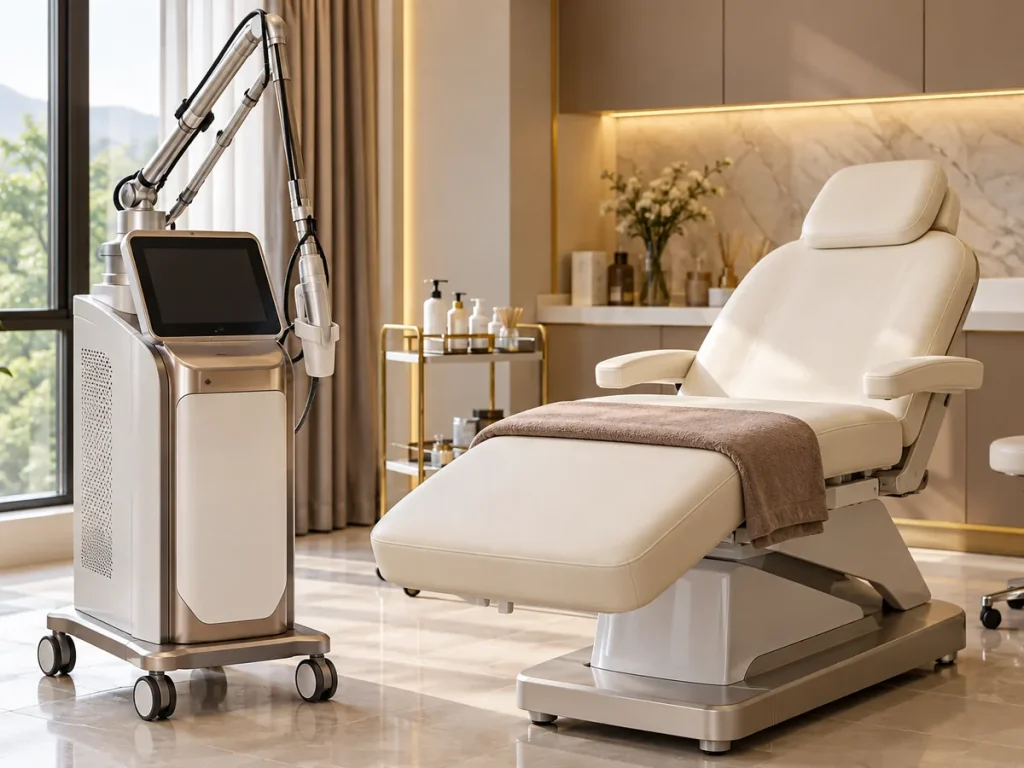
Pico Laser Treatment
Picosecond laser care for pigment and skin-texture concerns.
Explore treatment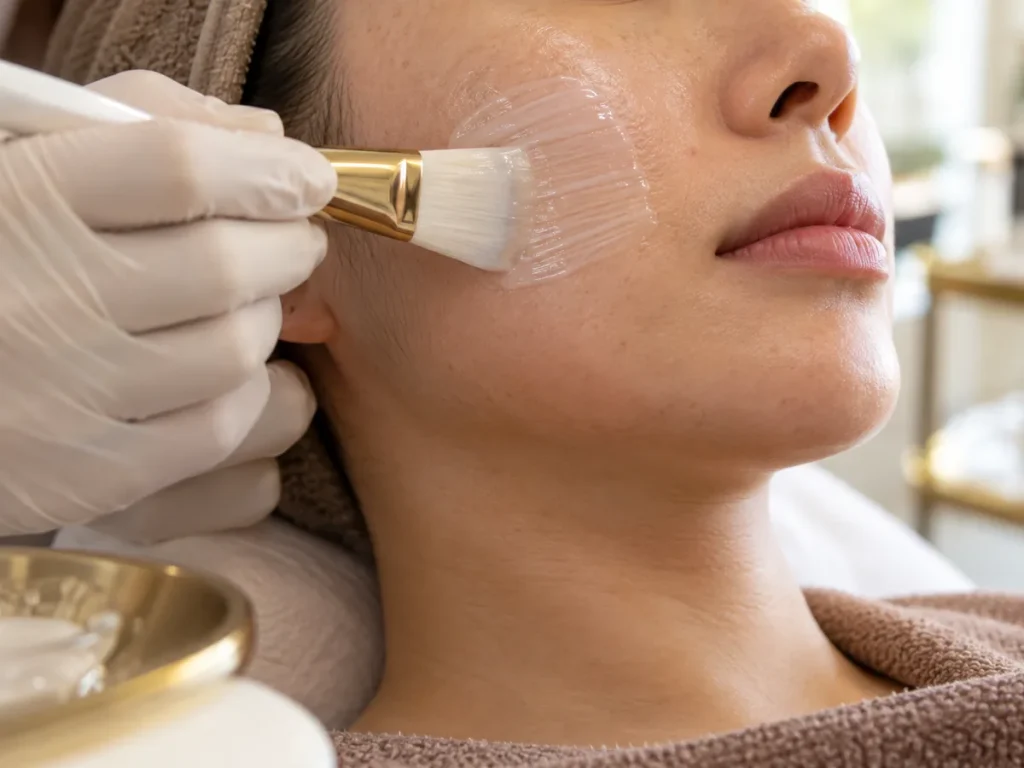
Chemical Peel Treatment
Medical-grade peels to refresh tone, texture and clarity.
Explore treatment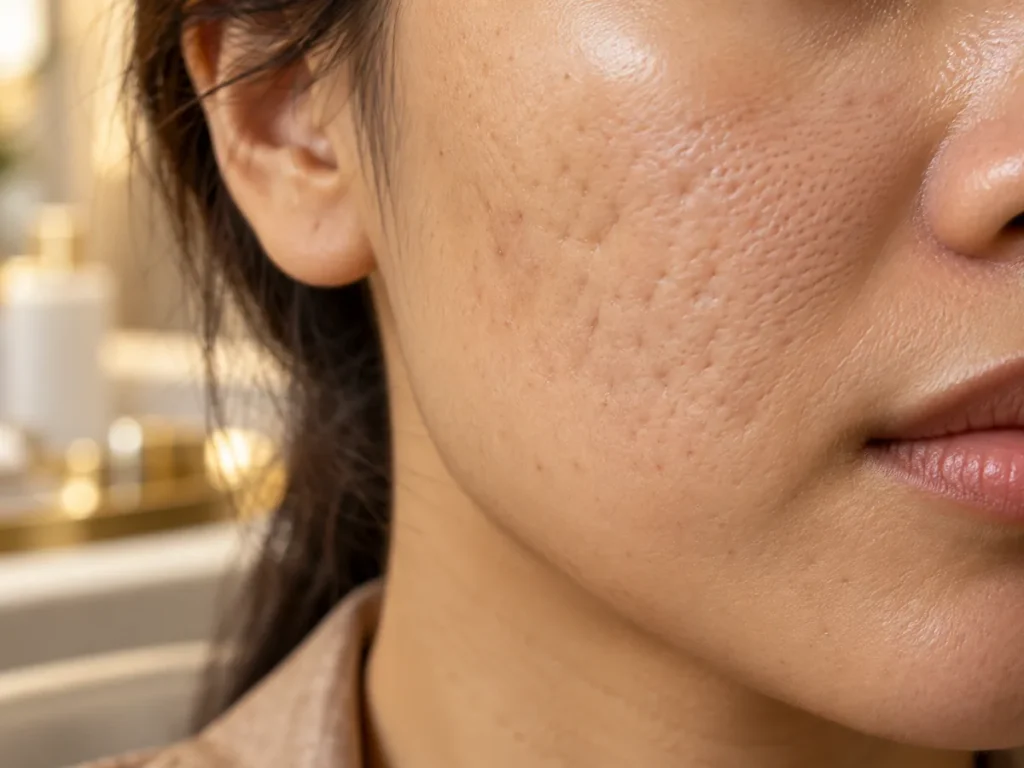
Scar Reduction Treatments
Plans matched to scar type, depth and skin tone.
Explore treatmentDoctor-reviewed guides
Further Reading
Educational articles from the Vivardi team that go deeper on this topic.
 Skin & Aesthetic Education
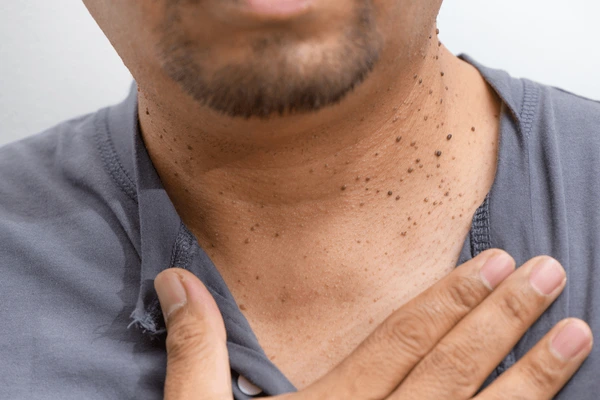
Oil Seeds vs Skin Tags: What's the Difference and How Are They Removed?
Read the guide Women’s Wellness
How to Know if an Aesthetic Clinic Is Safe and Licensed in Malaysia
Read the guide Clinic Education & Patient Safety