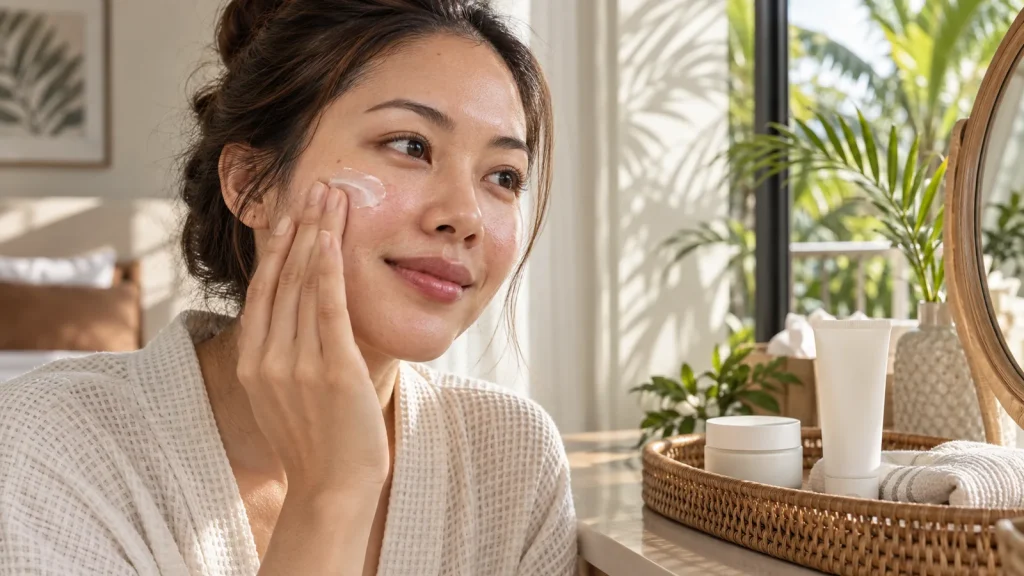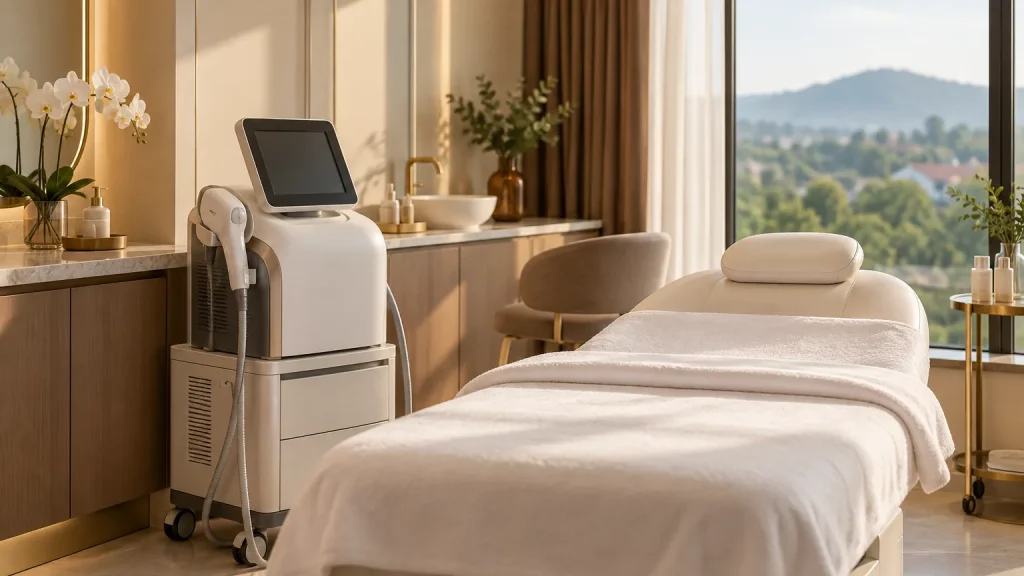
Even, Brighter Skin Tone · Rawang, Selangor

Pigmentation Therapy in Malaysia

Dark spots, melasma and uneven tone are among the most common skin concerns in our climate, and they are very treatable with the right approach. At Vivardi Clinics in Rawang, our doctors identify the type of pigmentation first, then tailor treatment to fade it safely.

Doctor-assessed, safe for our climate.
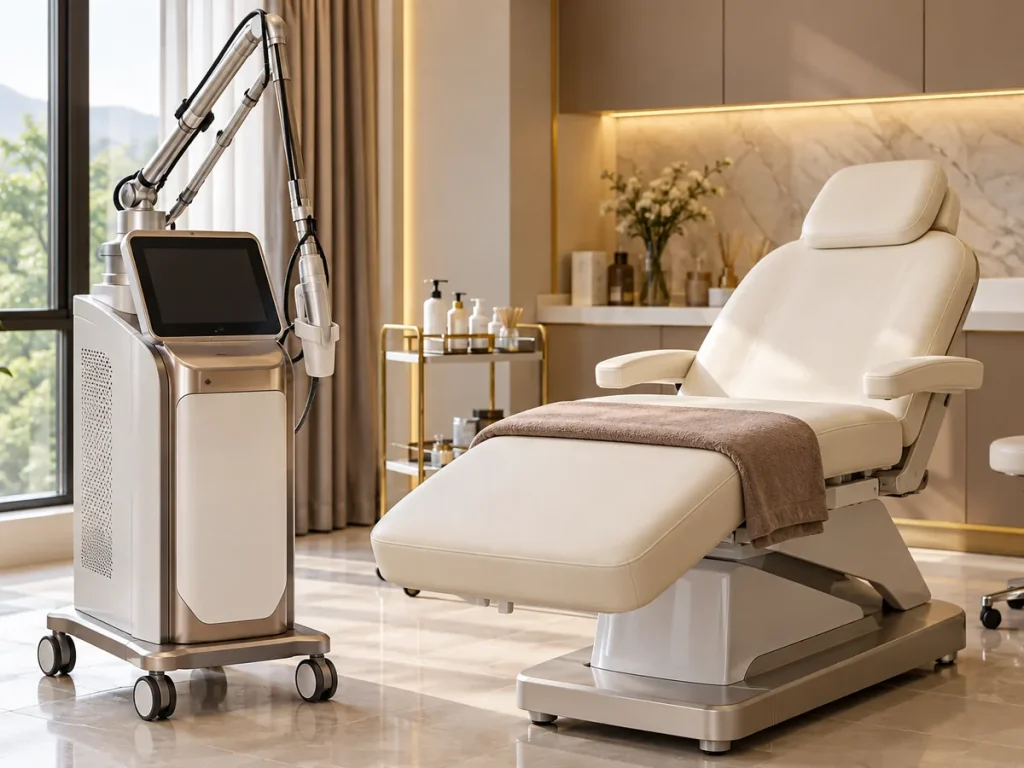
Pigmentation therapy at Vivardi Clinics Rawang
LCP-certified doctors
Correct diagnosis first
Tailored, safe plans
Rawang, Selangor
The basics

Quick summary

  • Pigmentation has several causes, and identifying the type is the first step.
  • A doctor assesses your skin before recommending a combination approach.
  • Results are gradual, not instant.
Speak to a doctor, privatelyBook a discreet consultation at our Rawang clinic.

Your enquiry is kept strictly confidential and handled in line with Malaysia's PDPA.

Understanding Pigmentation

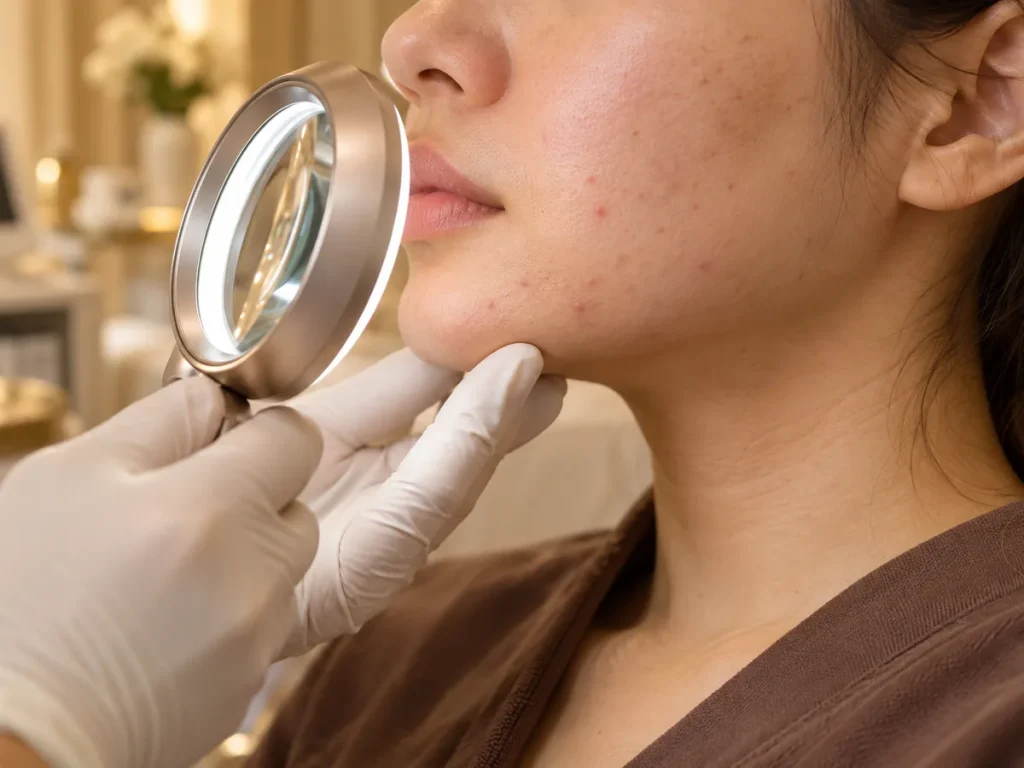
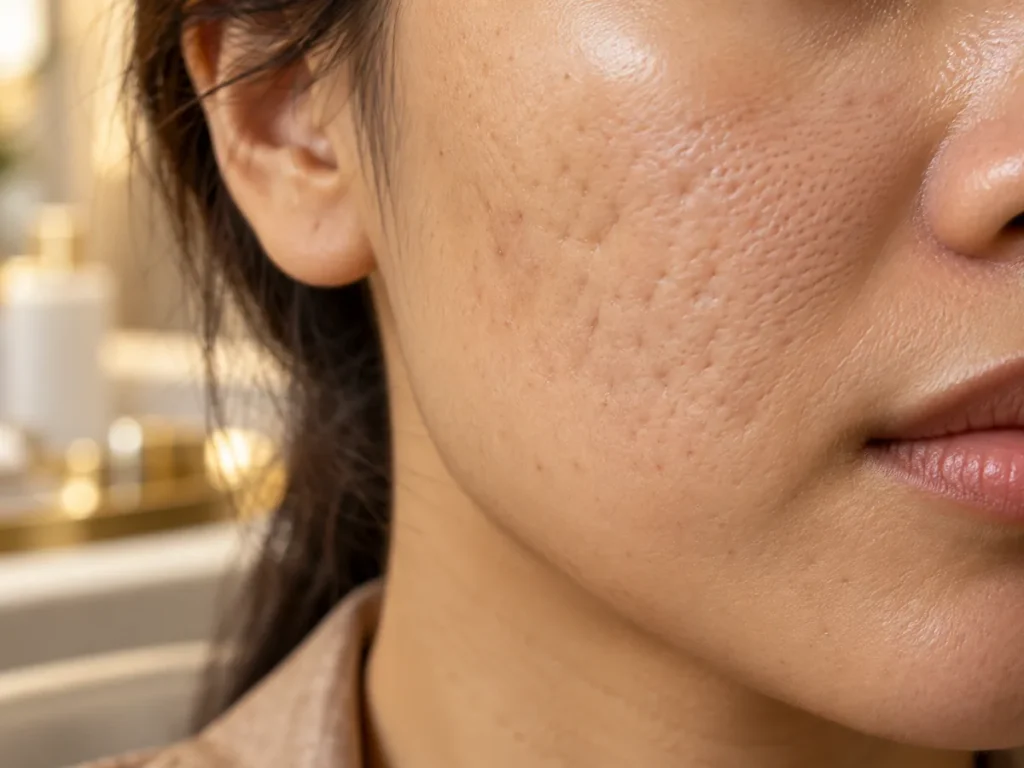
Pigmentation happens when the skin produces excess melanin, leading to dark spots, patches or uneven tone. Common types include sunspots, melasma and post-inflammatory marks, and each behaves differently. This is why diagnosis matters: the wrong treatment, especially for melasma, can sometimes make it worse. A doctor identifies the type first, then chooses the safest, most effective plan.

  • Fades dark spots and patches
  • Evens out skin tone
  • Careful approach for melasma
  • Plans matched to your skin
Types of pigmentation
What we treat

Types of Pigmentation

Sunspots

Defined brown spots from sun exposure over time.

Melasma

Hormone and heat-linked patches needing a gentle approach.

Post-acne marks

Dark marks left after breakouts heal.

Freckles

Small pigment spots, often sun-related.

Uneven tone

General dullness and patchiness.

Dark under-eyes

Pigment-related shadowing where suitable.

How we help

Treatment Options

Pico laser

Breaks down pigment effectively. See Pico laser.

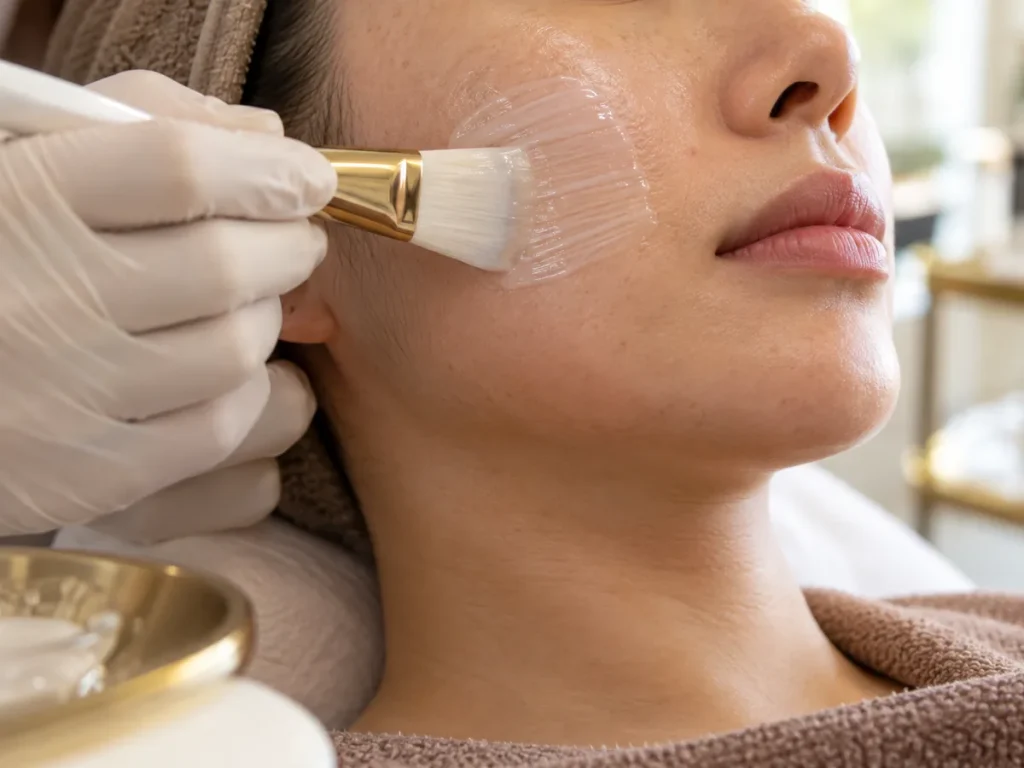
Chemical peels

Refresh the surface and brighten tone.

Medical skincare

Doctor-guided actives plus daily sun protection.

Pigmentation treatment in progress
Results & protection

Results and Keeping Them

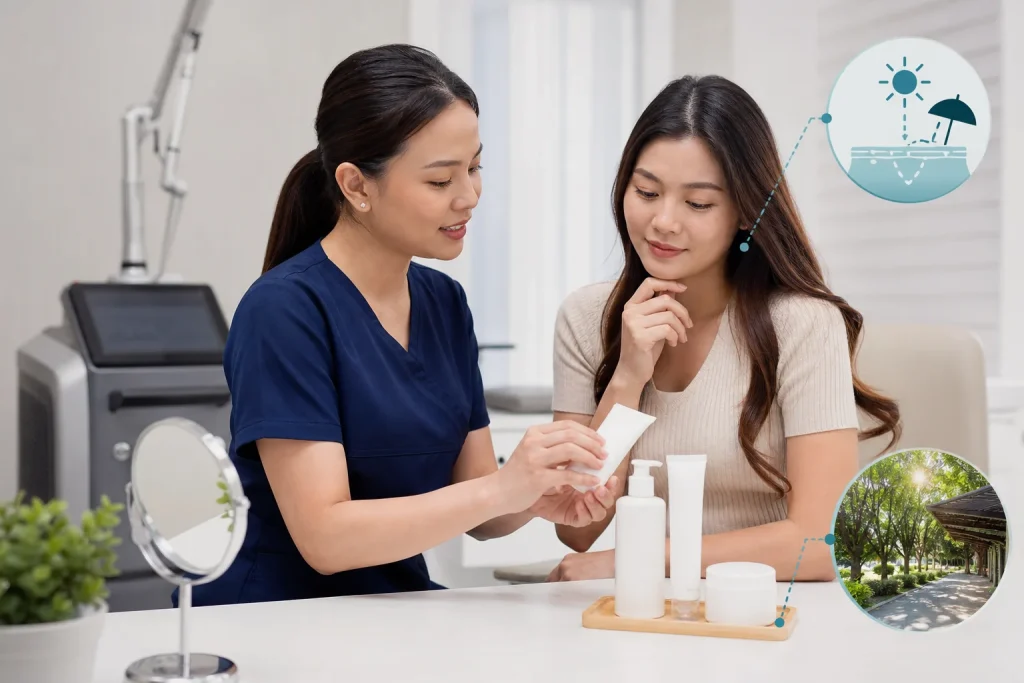
Pigment usually fades gradually over a course of treatments. The most important factor in keeping results, especially with melasma, is daily sun protection, because sun exposure is a major trigger for pigmentation returning. Your doctor will combine in-clinic treatment with simple home care so your results last.

  • Gradual fading over a course
  • Daily sunscreen protects results
  • Maintenance for stubborn melasma
Your doctor

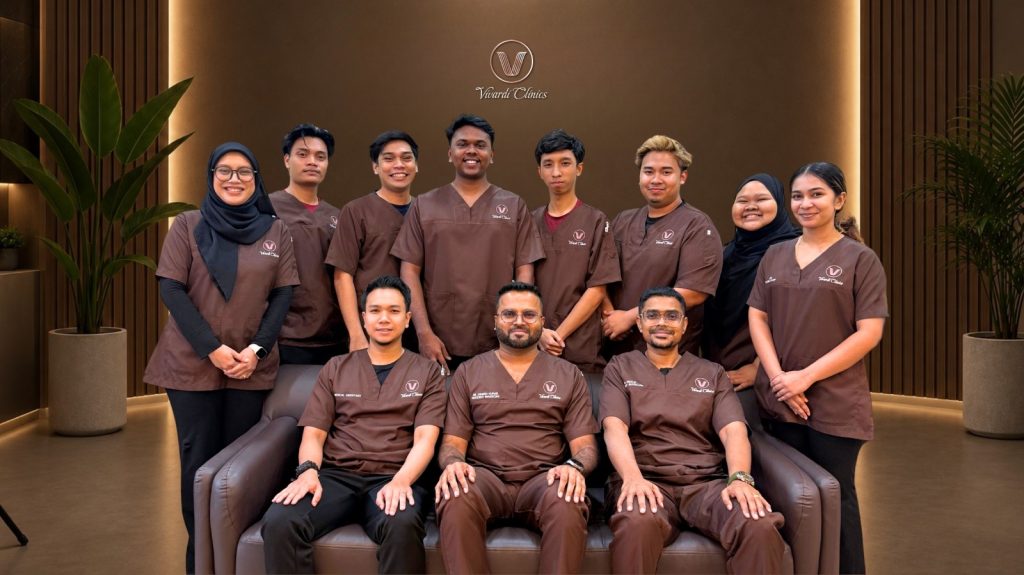
Treated by Qualified Doctors

Doctor at Vivardi Clinics

Doctor-led skin care

Vivardi Clinics, Rawang

Pigmentation has different types, and treating it incorrectly can worsen it. At Vivardi, an LCP-certified doctor identifies the type and chooses the safest, most effective plan for your skin. Every consultation is private and handled in line with Malaysia's PDPA.

FAQ

Pigmentation FAQ

Can pigmentation be fully removed?
Many types fade significantly with the right treatment. Melasma can be controlled well but often needs ongoing care and sun protection.
Why does diagnosis matter?
Different pigmentation types need different treatments. The wrong approach, especially for melasma, can make it worse, so a doctor assesses first.
How many sessions will I need?
It depends on the type and severity. Your doctor will recommend a suitable course.
Is sunscreen really necessary?
Yes. Daily sun protection is essential to fade pigmentation and stop it returning, especially in our climate.
Is treatment safe for my skin?
Yes. A doctor selects suitable settings and products for your skin type.
Is my visit private?
Yes. Your consultation and personal information stay confidential in line with Malaysia's PDPA.
Will my pigmentation come back?
Surface spots often stay away with good sun protection. Melasma is more stubborn and can return, so it is managed over time with maintenance and daily SPF rather than a single cure.
Is pigmentation treatment safe for darker skin?
Yes, when it is doctor-assessed and the right approach is chosen. The wrong settings can worsen pigmentation on darker skin, which is why an assessment comes first.
How soon will I see results?
Most people notice gradual fading over several weeks, with the best results building across a course of treatments combined with sun protection.
Is it right for you

Who Pigmentation Treatment Suits

Pigmentation treatment helps with several different concerns, including sun spots and age spots, post-acne marks, freckles and melasma, the hormone-related patches often seen on the cheeks and forehead. Because these respond in different ways, the first and most important step is for the doctor to identify exactly which type of pigmentation you have. Melasma in particular needs a gentle, patient approach and is managed rather than instantly cured, while surface sun spots often clear more readily. On Asian and darker skin tones, the wrong or overly aggressive treatment can make pigmentation worse, which is why a doctor-led assessment matters so much before anything begins.
Your plan

How Treatment and Aftercare Work

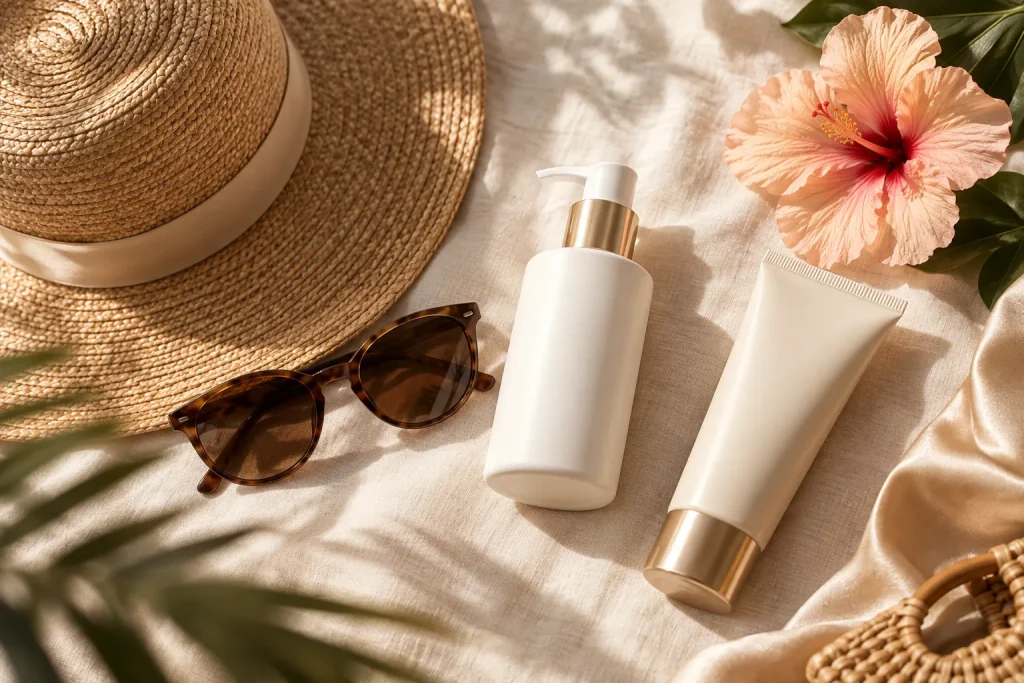
After examining your skin, the doctor builds a plan that may combine prescription-strength topicals, gentle peels and appropriate laser or light treatments, chosen to match your pigmentation type and skin tone. Results are gradual: pigment usually softens over several weeks to a few months, and a course of treatments often gives the best outcome. Daily, diligent sun protection is the single most important part of the plan, because UV exposure is what darkens and reactivates pigmentation. Your doctor will guide you on a simple home routine and a sensible maintenance schedule so improvements last, and will adjust the plan over time as your skin responds.

Even, Brighter Skin

Book a private consultation at Vivardi Clinics in Rawang for a safe, tailored pigmentation plan.

Medically reviewed by , Medical Director, Vivardi Clinics. MBBS (AIMST), LCP-Certified Aesthetic Physician, Cert. Men’s Health. Last reviewed June 2026.

Care at Vivardi is provided by our team of qualified doctors. This page is for general education and does not replace a personal consultation.

Pigmentation Treatment: 2025 Clinical Evidence

Melasma and post-inflammatory hyperpigmentation (PIH) are among the most common dermatological concerns in Southeast Asian women, driven by UV exposure, hormonal fluctuations, and skin trauma. A 2025 multicentre randomised trial published in JAMA Dermatology evaluated picosecond laser combined with topical tranexamic acid versus laser alone in 180 melasma patients (Fitzpatrick III–V): the combination group achieved a 91% reduction in MASI (Melasma Area and Severity Index) score at 16 weeks, versus 74% for laser monotherapy. For solar lentigines and age spots, a 2024 systematic review confirmed that 2–4 sessions of pico laser at 532nm achieves complete clearance in 88–93% of lesions. Maintaining results requires strict daily SPF50+ sunscreen use — studies show patients who skip sunscreen relapse at 3 times the rate of compliant patients. At Vivardi Clinics, all pigmentation protocols are supervised by LCP-certified doctors.

Frequently Asked Questions

What causes pigmentation and melasma in Malaysia?

Pigmentation in Malaysia is primarily triggered by UV exposure from the year-round tropical sun, which stimulates melanin overproduction. Melasma specifically is linked to hormonal changes (contraceptive pills, pregnancy), heat, and genetic predisposition — making it especially common in Asian women. Other pigmentation causes include post-inflammatory hyperpigmentation (PIH) from acne, ageing spots, and friction (especially for darker skin tones).

What is the most effective treatment for melasma and pigmentation in Malaysia?

A combination approach works best for melasma and pigmentation. Pico laser is the most advanced option for breaking down deep pigment particles without damaging surrounding skin. This is combined with medical-grade topicals (tranexamic acid, kojic acid, niacinamide), chemical peels, and strict daily SPF50+ sun protection. Treating melasma requires patience — results improve gradually over 4–8 sessions, with ongoing maintenance to prevent recurrence.

How many sessions does pigmentation treatment require?

Mild sun spots and freckles may visibly fade after 2–3 Pico laser sessions. Moderate PIH and stubborn hyperpigmentation typically requires 4–6 sessions over 3–4 months. Melasma is the most challenging and may need 6–10 sessions combined with homecare and hormonal management. Sessions are spaced 3–4 weeks apart to allow the skin to clear the fragmented pigment particles between treatments.

Can skin pigmentation be permanently removed?

Discrete sun spots and age spots can often be permanently cleared with laser treatment. However, melasma is a chronic condition — it can be controlled and significantly lightened, but not permanently cured, as hormonal and UV triggers remain. Long-term maintenance is essential: daily SPF50+ sunscreen, medical-grade brightening products, and periodic maintenance laser sessions every 3–6 months are typically recommended to sustain clear results.

How much does pigmentation treatment cost in Malaysia?

Pico laser for pigmentation costs RM400–RM1,200 per session depending on treatment area and machine used. A course of 4–6 sessions typically costs RM2,500–RM5,000 when bundled. Medical-grade brightening skincare kits add RM150–RM400 per month. Chemical peel sessions for pigmentation cost RM200–RM500 each. A comprehensive pigmentation treatment plan at Vivardi Clinics is tailored to your skin type and budget during consultation.

WhatsApp Us