Diagnosis-first hair-loss guide
Hair-loss medicine only works when it matches the cause
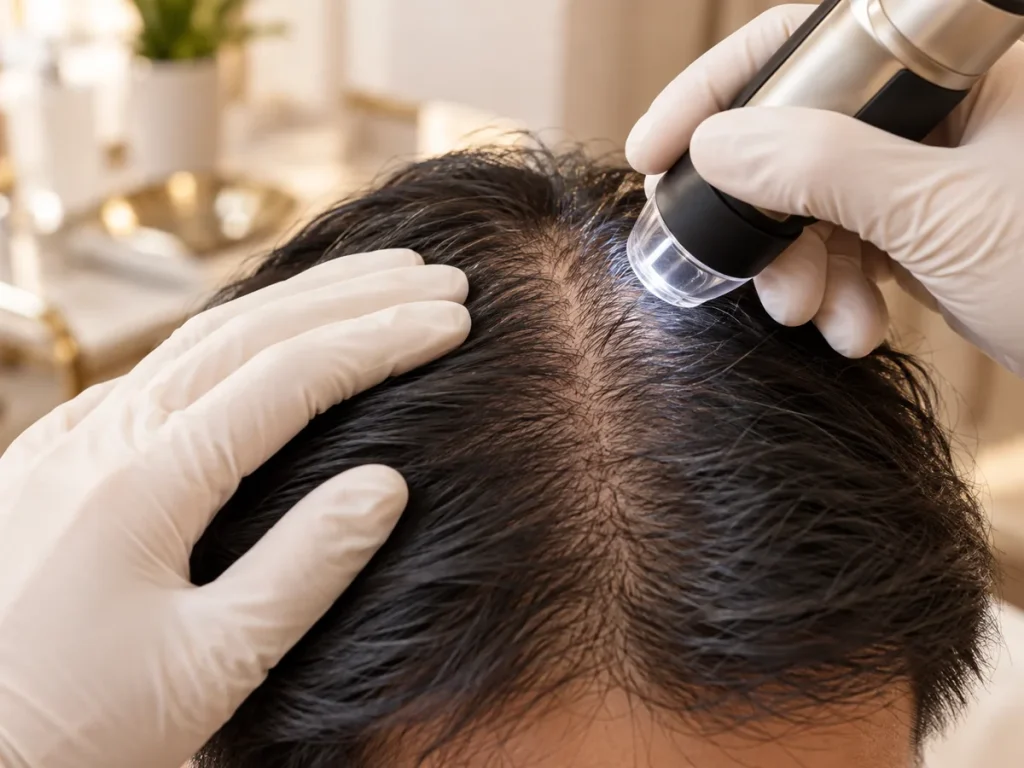
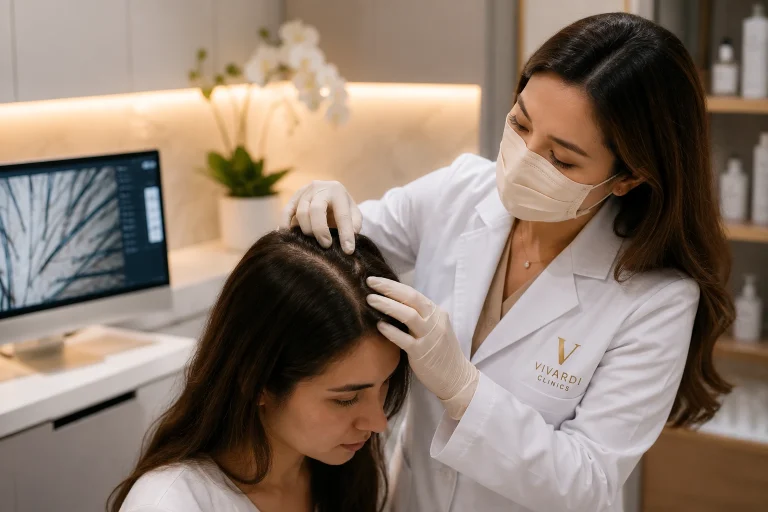
Pattern hair loss, shedding after illness, nutritional deficiency, scalp disease and scarring alopecia can look similar but need different care. A doctor should examine the pattern, scalp and timeline before recommending minoxidil, finasteride or another medicine. Treatment usually requires months, continued use and realistic expectations rather than a quick cure.
Male and female pattern hair loss are not identical
| Issue | Male pattern loss | Female pattern loss |
|---|
| Typical pattern | Hairline, temples and crown may recede or thin | The central part may widen with more diffuse thinning over the top |
| Medicine discussion | Topical minoxidil and prescription finasteride may be considered after assessment | Topical minoxidil is commonly considered. Other prescriptions depend on pregnancy potential, health and diagnosis |
| Tests | Guided by symptoms and examination rather than a routine panel for everyone | Shedding, irregular periods, anaemia symptoms or endocrine clues may change the test plan |
Minoxidil
Topical minoxidil can support selected pattern hair loss, but early shedding, scalp irritation and unwanted facial hair may occur. Benefit takes time and is generally lost after stopping. Oral minoxidil is a prescription, off-label approach in many settings and needs cardiovascular and blood-pressure review because systemic adverse effects can occur.
Finasteride
Finasteride is used for selected men with male pattern hair loss. Sexual, reproductive, mood and other possible adverse effects should be discussed. It is not suitable during pregnancy, and handling precautions apply to broken tablets. Women who are or may become pregnant require specific medical advice.
When medication should not be the first step
Sudden patchy loss, scalp pain, pus, marked scaling, eyebrow loss, scarring, systemic illness or rapidly progressive shedding needs diagnosis. Seek prompt review rather than buying medicine online. Bring all medicines, supplements and recent blood results to the consultation.
Alternatives and combination care
Depending on the diagnosis, options may include PRP hair treatment, QR678 Neo, scalp treatment or referral for scarring disease. Procedures do not replace treatment of iron deficiency, thyroid disease, infection or another underlying cause.
Patient guidance used
The American Academy of Dermatology hair-loss treatment guide explains that diagnosis determines medicine choice and that minoxidil and finasteride require sustained use. Its female pattern hair-loss guidance covers pregnancy precautions, timelines and the need to rule out other causes.
Medically reviewed by Dr. Dinesh
MBBS (AIMST), Certificate in Men's Health
Reviewed 28 August 2026. This guide supports consultation and does not replace an individual medical assessment.