Short answer: Neither chemical peel nor laser is universally “better” for pigmentation, because the right choice depends on the type of pigmentation, how deep it sits, and your skin. As a rough guide, chemical peels work well for surface level pigmentation, dullness, and post acne marks, and are gentler and cheaper per session. Laser, particularly pico laser, reaches deeper, more stubborn pigment and stimulates collagen, so it often does more for set in dark spots. For melasma, the hardest pigmentation to treat, both are used cautiously and often together with skincare, because being too aggressive with either can make melasma worse. On Asian skin especially, the safest and most effective route is usually a combined, measured plan set by a doctor, not a single treatment chosen at random.
Dark spots and uneven pigmentation are among the most common skin concerns in Malaysia, and the two treatments people compare most are chemical peels and laser. This guide explains how each one works, which suits which type of pigmentation, the special care melasma needs, and how a doctor decides, all from a doctor led point of view.
First, know your pigmentation type
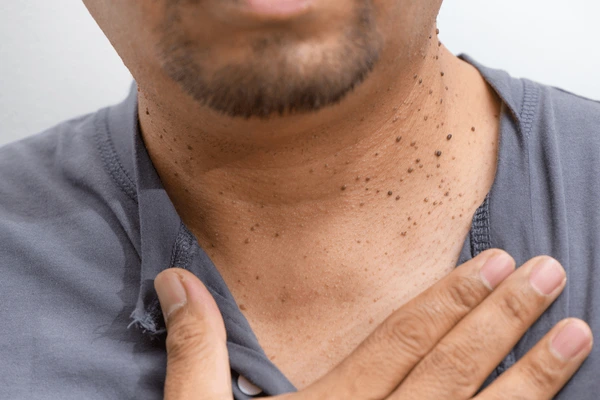
The single most useful thing before choosing a treatment is knowing what kind of pigmentation you have, because that changes everything. Pigmentation is not one condition.
- Sun spots and age spots are flat brown patches from years of sun exposure, sitting in the upper layers of the skin. They tend to respond well to treatment.
- Post inflammatory hyperpigmentation is the flat brown or reddish mark left after acne, injury, or irritation. Very common in Asian skin, it fades over time and responds well to peels, skincare, and laser.
- Freckles are small, sun related spots, often superficial.
- Melasma is patchy, symmetrical pigmentation, usually on the cheeks, forehead, or upper lip, driven by hormones and worsened by sun and heat. It sits at variable depths, is chronic, and is the most difficult to treat because it flares easily and recurs.
The reason this matters is that surface pigmentation responds to different tools than deeper pigment, and melasma needs a fundamentally cautious approach. Guessing the type, or treating all pigmentation the same way, is how people end up disappointed or worse. Our pigmentation therapy page covers the range in more detail.
How chemical peels treat pigmentation
A chemical peel applies a solution to the skin that exfoliates the surface layers in a controlled way. As the treated layers shed, pigmentation held in those upper layers lifts with them, and fresher, more even skin comes through. Peels also help unclog pores and brighten dull skin, which is why they are popular for a general refresh as well as for pigmentation.
Peels come in different strengths, from light and superficial to deeper. For pigmentation, lighter and medium peels used over a course tend to be the workhorses, particularly for surface pigmentation and post acne marks. They are gentler, involve minimal downtime, and are usually cheaper per session than laser. Our chemical peel page explains the options.
The trade off is depth. Because peels work from the surface, they are excellent for pigmentation sitting in the upper layers but do less for deeper, more set in pigment, which is where laser has the advantage. Stronger peels reach deeper but carry more downtime and, on Asian skin, more risk of irritation and post treatment darkening if not done carefully.
How laser treats pigmentation
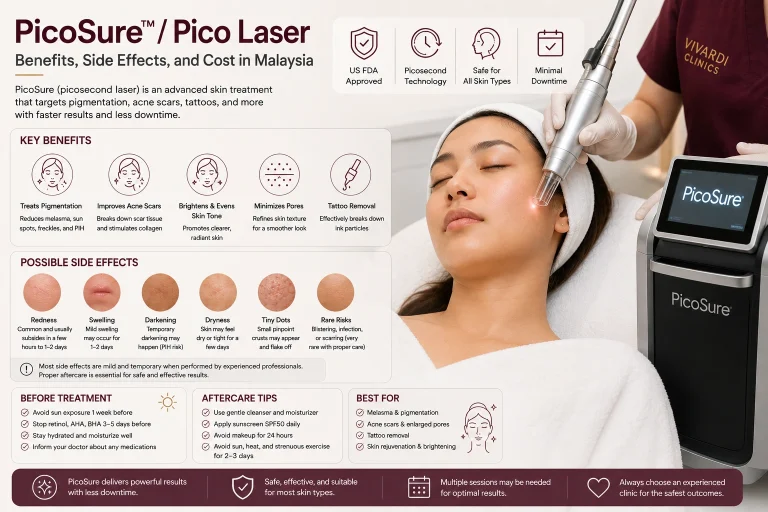
Laser, particularly pico laser, delivers energy that targets and shatters pigment, breaking it into tiny particles the body then clears. Pico laser uses ultra short pulses with less heat than older lasers, which reaches deeper pigment while being gentler on the surrounding skin, an important advantage for Asian skin that is prone to pigmentation. Our pico laser page explains how.
Laser’s strength is depth and precision. It reaches stubborn, set in dark spots and deeper pigment that surface peels struggle with, and it stimulates collagen as a bonus, improving texture and pores at the same time. For established sun spots and deeper pigmentation, laser often does more per treatment.
The trade off is that laser is generally more expensive per session, and, if used too aggressively or at the wrong settings, it carries a risk of post treatment darkening on pigmentation prone skin. This is exactly why the settings and the operator’s judgement matter so much, and why bargain, one setting fits all laser is risky for Asian skin.
Chemical peel vs laser: a practical comparison
Here is the honest, side by side view.
- Surface pigmentation, dullness, post acne marks: chemical peels are often the sensible, cost effective first choice, sometimes all that is needed.
- Deeper, set in dark spots and sun spots: laser, especially pico, tends to do more.
- Texture, pores, and fine lines alongside pigment: laser has the edge because it stimulates collagen.
- Budget and gentleness: peels are usually cheaper per session and gentler, with minimal downtime.
- Melasma: both are used cautiously, neither is a cure, and a conservative combined approach with skincare and strict sun protection is the safest path.
- Downtime: both usually have modest downtime, with treated spots flaking after laser and light shedding after peels.
The most important takeaway is that these two are not really rivals. In practice they are often used together as part of a plan, a peel to resurface and address surface pigment, laser to tackle deeper pigment and stimulate collagen, sequenced and spaced correctly. Our guide on combining pico laser and chemical peel explains the order and timing.
Melasma: why it needs special caution
Melasma deserves its own section because it is the pigmentation most likely to go wrong with aggressive treatment. It is chronic, hormone driven, and easily aggravated by heat, sun, and over treatment. Both strong peels and aggressive laser can worsen melasma, causing it to flare or darken, which is the opposite of the goal.
For melasma, the modern, doctor led approach is deliberately gentle and layered: careful skincare that addresses the pigment, very cautious use of peels or laser at conservative settings, and, above all, strict daily sun protection, because sun and heat are the main things that reignite it. Melasma is managed, not cured, and realistic expectations plus ongoing maintenance are part of the deal. Anyone promising to blast your melasma away in a couple of aggressive sessions is likely to make it worse.
Why sun protection decides your result
Whichever treatment you choose, sun protection is the factor that determines whether it lasts. Pigmentation is driven and worsened by ultraviolet exposure, and freshly treated skin is more vulnerable to the sun. Without diligent daily sunscreen, treated pigmentation simply comes back, and new pigmentation can form, especially in the strong Malaysian sun.
Daily broad spectrum sunscreen, reapplied through the day, plus sensible sun avoidance and hats, is not an optional add on. It is the foundation that all pigmentation treatment is built on. If you are not prepared to commit to it, treatment results will be short lived, and it is worth being honest with yourself and your clinician about this before starting.
How a doctor decides between them
A clinician choosing between peel and laser considers your pigmentation type and depth, your skin type and its sensitivity, your history of pigmentation or scarring, your budget, and how much downtime you can accommodate. Often the answer is not one or the other but a sequenced combination, with skincare prep beforehand and sun protection throughout.
This individualised judgement is the core reason to see a doctor rather than pick a treatment from an advert. The wrong choice, or the right treatment done too aggressively, can leave Asian skin darker, and that post treatment pigmentation can take months to fade. A measured, expert plan protects you from that.
Why a doctor led clinic in Rawang
Vivardi Clinics is a doctor led aesthetic and men’s health clinic in Rawang, Selangor. Pigmentation is very type dependent and, on Asian skin, easily worsened by aggressive treatment, so choosing between and combining peels and laser is a decision that benefits from medical judgement. We identify your pigmentation type, choose and sequence the right treatments at safe settings, and build in the skincare and sun protection that make results last. Consultations are private and we follow the PDPA Act Malaysia.
Frequently asked questions
Is chemical peel or laser better for pigmentation?
Neither is universally better. Chemical peels suit surface pigmentation, dullness, and post acne marks, and are gentler and cheaper. Laser, especially pico, reaches deeper, set in dark spots and stimulates collagen. The right choice depends on your pigmentation type and skin, and often the two are combined.
Which is better for melasma?
Both are used only cautiously for melasma, because aggressive treatment can worsen it. The safest approach is a gentle, combined plan with skincare and strict sun protection. Melasma is managed rather than cured, and realistic expectations matter.
Which is cheaper, peel or laser?
Chemical peels are generally cheaper per session and gentler, while laser tends to cost more but can do more for deeper pigment. Because both usually need a course, compare the total plan rather than a single session price.
Can I do both a peel and laser?
Yes, they are often combined in a sequenced plan, a peel to resurface and address surface pigment, laser for deeper pigment and collagen, spaced correctly. The order and timing should be set by a clinician to avoid irritating the skin.
Will treatment get rid of my dark spots permanently?
Treatment can significantly fade or clear many dark spots, but pigmentation is driven by sun and, for melasma, hormones, so without diligent sun protection it can return and new spots can form. Ongoing sun care and sometimes maintenance keep results.
Is laser safe for pigmentation on Asian skin?
Pico laser is one of the safer laser choices for Asian skin because it uses less heat, but any laser can cause post treatment darkening if used too aggressively. Correct settings and a conservative, doctor led approach are what keep it safe.
Book a consultation
If dark spots or uneven pigmentation are bothering you, a skin assessment will identify the type and map out the safest, most effective plan for your skin. Book a consultation or contact Vivardi Clinics in Rawang, Selangor. Everything is handled privately, by qualified doctors.
Prepared and medically reviewed by the doctors and clinical staff at Vivardi Clinics, Rawang. Last updated July 2026. For general information only, and not a replacement for a personal medical consultation.

Medically reviewed by Dr. Dinesh Kumar, Medical Director, Vivardi Clinics. MBBS (AIMST), LCP-Certified Aesthetic Physician, Cert. Men’s Health. Last reviewed October 2026.
Care at Vivardi is provided by our team of qualified doctors. This page is for general education and does not replace a personal consultation.