Androgenetic alopecia
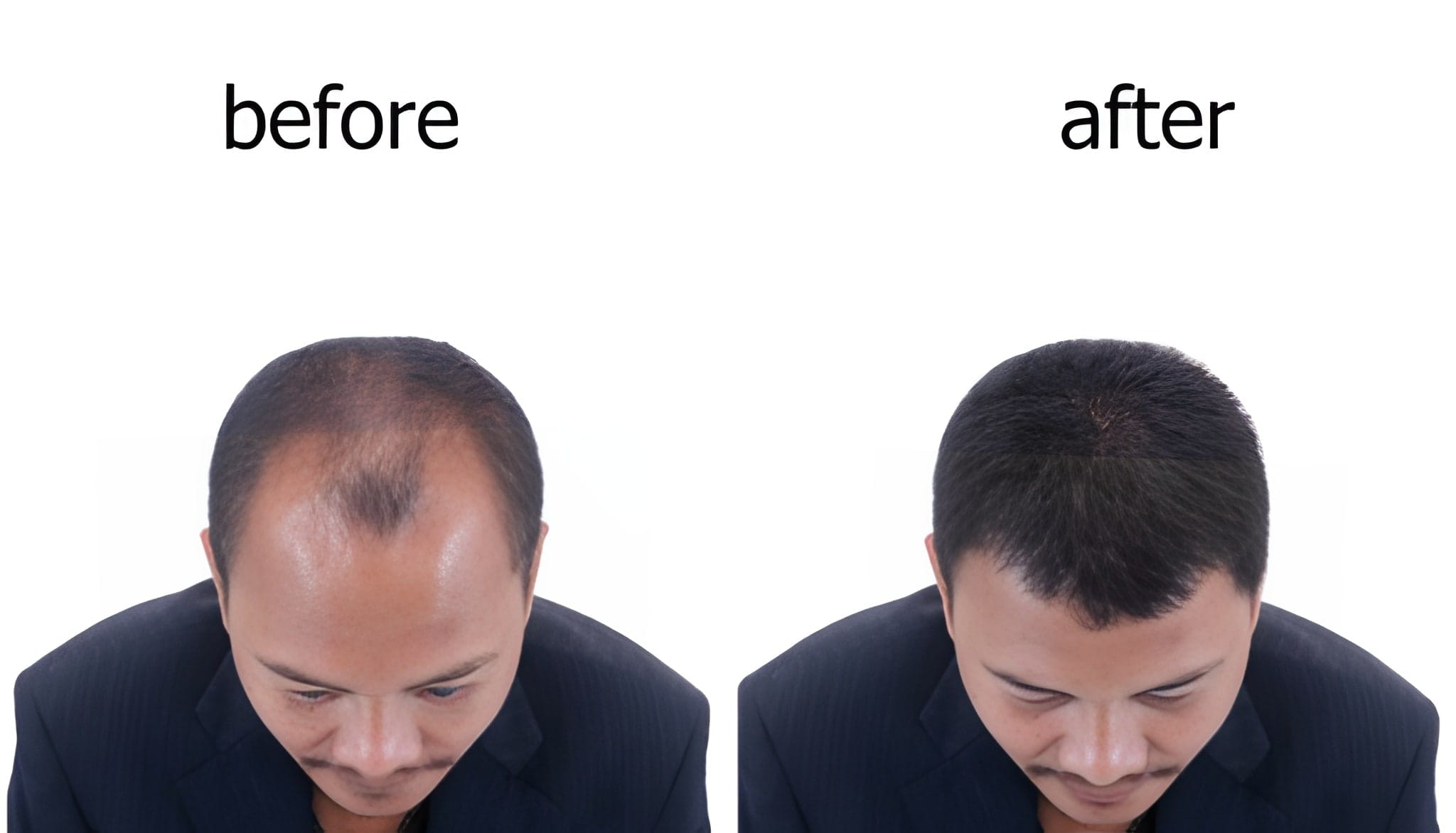
Genetic and hormonal sensitivity can gradually miniaturise follicles, commonly affecting the hairline and crown in men or widening the central part in women.

Doctor-led hair and scalp care in Selangor
Hair thinning can have more than one cause. Start with a private medical assessment, understand what may be driving the change, then compare PRP, QR678 Neo and doctor-prescribed medication without pressure or unrealistic promises.

The direct answer
Pattern thinning, sudden shedding, scalp inflammation, nutritional deficiency and scarring hair loss can look similar in the mirror but may need very different care.
A doctor reviews the pattern, speed of change, scalp findings, health history, medicines and goals. Examination, trichoscopy, blood tests or specialist referral may be discussed when clinically relevant.
Why hair changes
A useful consultation separates common progressive thinning from temporary shedding and conditions that require earlier specialist attention.
Genetic and hormonal sensitivity can gradually miniaturise follicles, commonly affecting the hairline and crown in men or widening the central part in women.
Illness, rapid weight change, childbirth, major stress, nutritional problems or other triggers may shift more follicles into the resting phase.
Iron status, thyroid conditions, hormonal factors, chronic disease and some medicines may contribute and should be reviewed rather than guessed.
Itching, scaling, pustules, tenderness or broken hairs may point toward a scalp disorder that needs targeted treatment before considering restoration procedures.
Sudden smooth patches, scalp pain, pus, spreading redness, loss of eyebrows, shiny scar-like skin or rapidly progressive loss may need dermatology investigation. Vivardi can assess and refer when appropriate.
Your first appointment
The goal is not to sell a package. It is to understand which options are reasonable, which are unlikely to help and what should be investigated first.
Where the loss began, how quickly it changed, shedding level, family history and previous treatment.
Medical conditions, medicines, nutrition, recent illness, weight change, pregnancy history and symptoms.
Hair density, miniaturisation, inflammation, scarring or other findings, with trichoscopy when useful.
Suitable options, limitations, side effects, monitoring, alternatives and referral are explained before you decide.
Three treatments at Vivardi
These options work differently. Some patients may be considered for one treatment, a monitored combination or another pathway entirely after assessment.
 01
01A standardised injectable formulation intended to deliver growth-factor and peptide signals around selected active follicles. Suitability depends on the diagnosis and whether responsive follicles remain.
 02
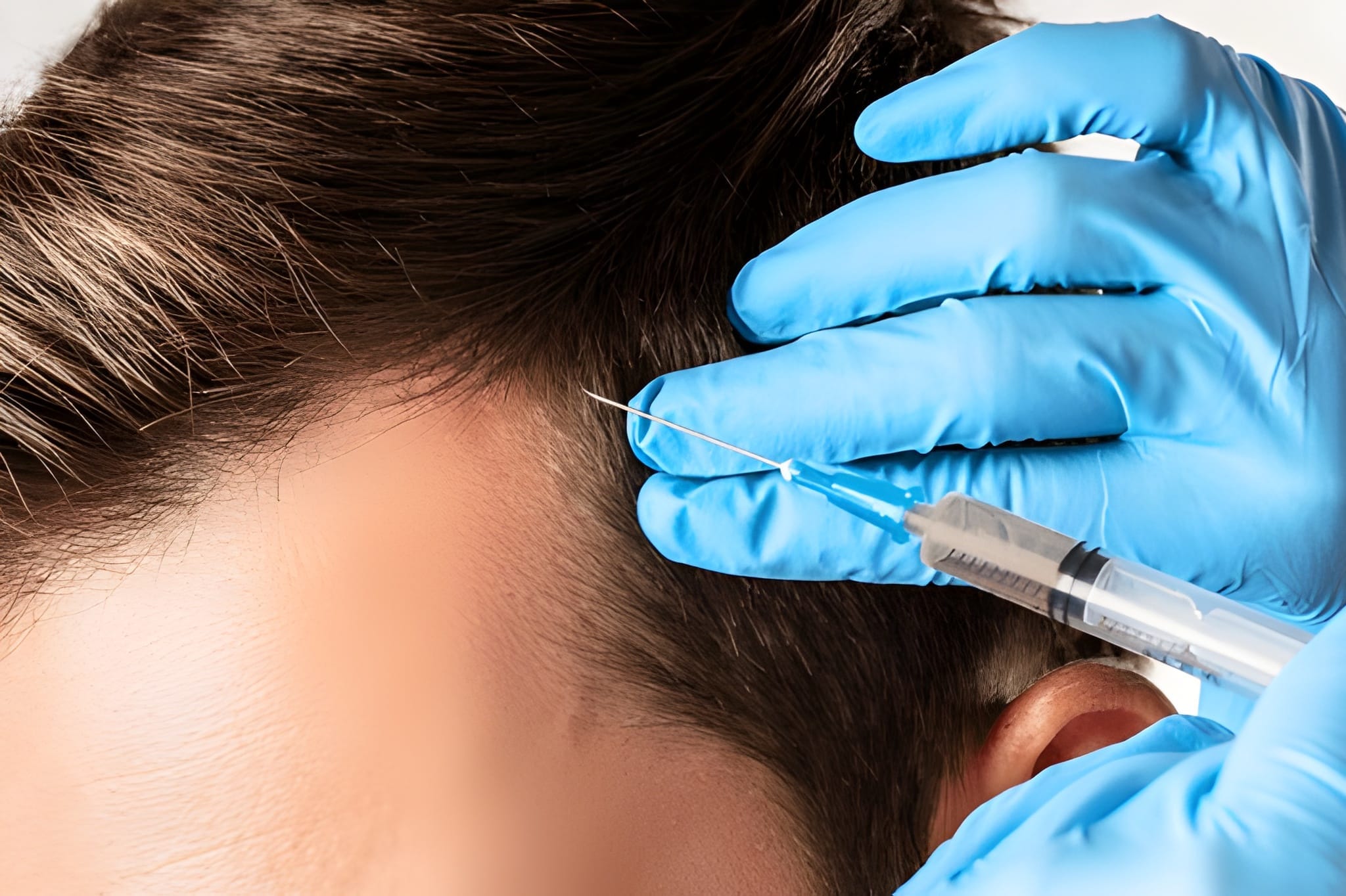
02Platelet-rich plasma is prepared from a blood sample and placed into selected scalp areas. It may support hair density for some people with active, non-scarring pattern loss.
 03
03Prescription options may help selected patients slow pattern hair loss or support regrowth. The medicine and dose depend on diagnosis, sex, health, pregnancy considerations and risk profile.
Side-by-side guide
This table is educational. Your recommendation should follow examination, relevant medical history and an informed discussion with the doctor.
| Option | What it uses | Potential role | Important limitations | Typical commitment |
|---|---|---|---|---|
| QR678 Neo | A prepared blend delivered through small scalp injections | Selected active follicles in non-scarring thinning | Evidence and protocols are less established; response varies | Usually discussed as a course with reassessment |
| PRP hair restoration | Platelet-rich fraction prepared from your own blood | Support for selected early to moderate pattern loss | Preparation systems vary; unsuitable for some blood or health conditions | A planned series may be followed by maintenance |
| Oral medication | Prescription medicine selected for the diagnosis | Slowing progression and supporting regrowth in suitable pattern loss | Possible systemic side effects and pregnancy-related restrictions | Regular use and ongoing monitoring are usually needed |
PRP or QR678 may be discussed when examination suggests active follicles and no contraindication.
Prescription treatment may address an ongoing driver and can sometimes form the foundation of a broader plan.
Investigation, scalp treatment or specialist referral may be more appropriate than starting a restoration package.
Combination care
A combination may be considered when different options have clear, complementary roles. It should still have a diagnosis, defined monitoring plan and stopping or review points.

Visit Vivardi Clinics
Hair loss can affect confidence, but the consultation should remain clinical and respectful. Dr. Dinesh Kumar and the Vivardi team review your concern privately, explain realistic options and refer when a condition needs specialist management.
The American Academy of Dermatology advises that finding the cause is key because hereditary loss, shedding, autoimmune disease, infection, inflammation and scarring conditions require different approaches. Treatment is often more useful when started after an accurate diagnosis.
There is no single best treatment for every person. The most appropriate option depends on the cause, pattern, stage, active follicles, health history, risks, preferences and whether ongoing treatment is realistic.
Sometimes. A doctor may discuss a combination when the options have complementary roles and there is a clear monitoring plan. Combining treatments should not replace diagnosis or create unrealistic expectations.
Hair cycles are slow. Reduced shedding may be noticed before visible density changes, and meaningful assessment generally takes several months. Consistent photographs and clinical review are more useful than daily observation.
Long-standing smooth bald areas or scarred follicles are less likely to respond to medicines or scalp injections. Examination helps determine whether active follicles remain and whether transplant or specialist assessment should be discussed.
No. Tests are considered when the history or pattern suggests iron deficiency, thyroid disease, hormonal concerns, nutritional problems or another medical contributor. The doctor should explain why each test may be useful.
They use different sources of growth-related signals and their evidence bases differ. Neither is automatically better for every diagnosis. Suitability, limitations, cost of a course and maintenance should be compared during consultation.
Pattern hair loss is usually progressive. Benefits from medication generally depend on continued treatment, and hair loss may resume after stopping. Long-term use and possible side effects should be reviewed with the prescribing doctor.
Some medicines may be considered for selected women, while others carry important pregnancy and reproductive restrictions. A doctor must review the diagnosis, health history and pregnancy plans before prescribing.
Sudden patchy loss, scalp pain, inflammation, pus, heavy scaling, eyebrow loss, scarring, diagnostic uncertainty or poor response may require dermatology investigation. Referral is part of responsible care, not a failure of treatment.
Yes. You can keep the first message brief and request a hair-loss assessment. Medical history and personal details can be discussed privately with the clinical team during your consultation.
Continue researching
Private hair-loss assessment
Message Vivardi Clinics or call to arrange a doctor-led hair and scalp consultation in Rawang, Selangor.