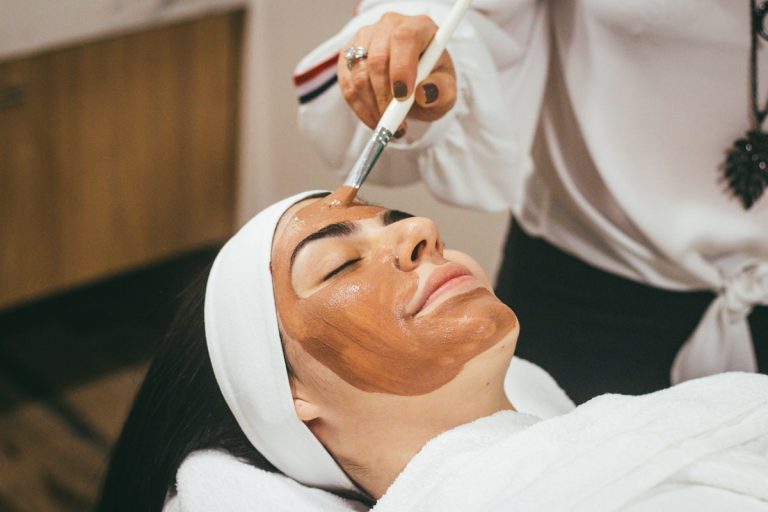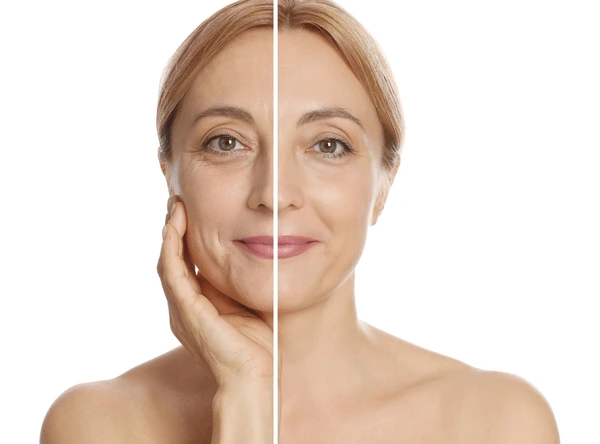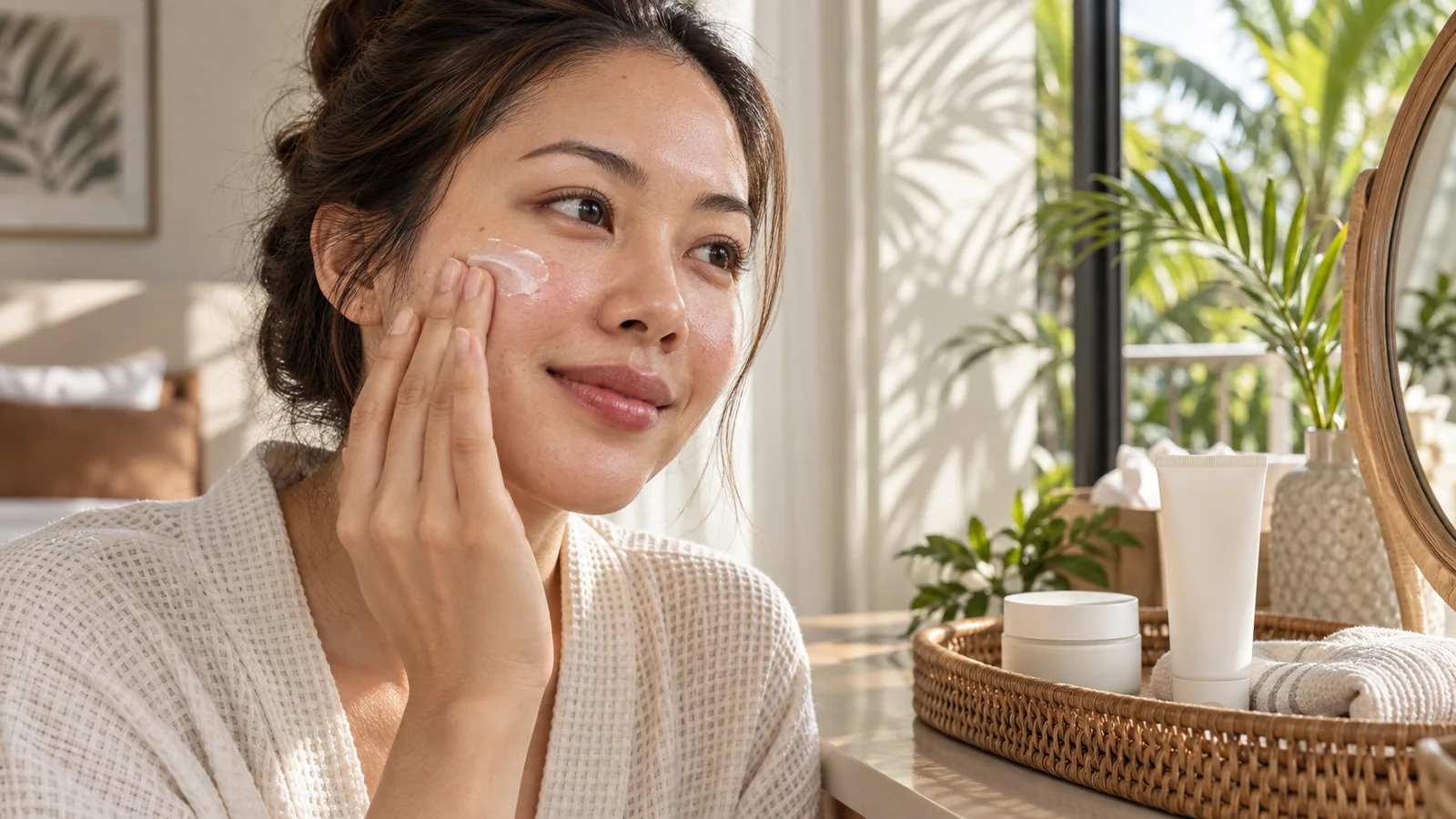
A chemical peel continues to affect the skin after the clinic appointment ends. The visible flaking is only one part of recovery. The skin barrier may also be temporarily more sensitive to sunlight, heat, friction and active skincare ingredients. Good chemical peel aftercare protects that barrier while the skin renews itself.
Quick answer: what should you do after a chemical peel?
After a chemical peel, use the gentle cleanser, moisturiser and sunscreen recommended by your clinician. Do not pull peeling skin, scrub, wax or restart acids and retinoids until your clinician says the skin has recovered. Mild redness, tightness and flaking can be expected after some peels. Increasing pain, blistering, marked swelling, pus, fever or rapidly worsening discolouration requires prompt medical advice.
Why chemical peel aftercare matters
A chemical peel uses a controlled chemical solution to remove selected layers of the skin. The depth depends on the peeling agent, concentration, number of coats, contact time, skin preparation and the clinical endpoint. A light peel mainly affects the outermost layers. A medium-depth peel reaches further and creates a longer recovery. That is why one generic aftercare routine cannot be correct for every patient.
Immediately after treatment, the skin may lose water more easily and react more strongly to products that were comfortable before. The aim is not to make the skin peel faster. The aim is to let it recover evenly, avoid unnecessary inflammation and protect it from ultraviolet exposure. Picking, over-cleansing and applying several active products can prolong irritation and raise the risk of unwanted pigment change.
People with medium to deep skin tones can have chemical peels, but the treatment plan must account for the possibility of post-inflammatory hyperpigmentation. The American Academy of Dermatology advises choosing a clinician experienced in treating the patient’s skin colour. In Malaysia, where strong year-round ultraviolet exposure is common, careful sun protection is especially important during recovery.
Chemical peel recovery timeline
This timeline is a general guide, not a promise. Your recovery may be shorter or longer depending on the peel and your skin. Follow the personalised instructions given at your appointment if they differ from this article.
| Period | What you may notice | What usually helps |
|---|---|---|
| First 24 hours | Warmth, mild redness, tightness or sensitivity. Some very light peels cause little visible change. | Gentle cleansing if permitted, bland moisturiser, no rubbing and strict sun avoidance. |
| Days 2 to 3 | Dryness or a tight, shiny feeling. Flaking may begin around areas that move frequently. | Moisturise as directed. Do not exfoliate or pull loose skin. |
| Days 3 to 7 | Visible flaking is common after some superficial peels. Redness may persist longer after a stronger peel. | Continue a simple routine and broad-spectrum sunscreen. Contact the clinic if symptoms are worsening rather than settling. |
| Week 2 | Most light-peel flaking has settled. New skin may remain more sensitive. | Restart products only in the sequence recommended by your clinician. |
| Weeks 3 to 4 | Texture and brightness may become easier to assess. Pigment concerns require ongoing sun protection and a longer plan. | Attend review if scheduled and discuss when another procedure is appropriate. |
The first evening
Do not assume that more washing will remove the acid or improve safety. A professional peel is neutralised, removed or completed according to its formulation. Follow the clinic’s directions about when to wash. When cleansing is allowed, use lukewarm water and clean hands. Avoid cleansing brushes, face cloths, grainy scrubs and hot water.
A mild sensation of warmth or tightness may occur. A clinician may recommend a cool compress, but do not place ice directly on the skin. Apply only the moisturiser or barrier product advised. Introducing a new serum at this stage makes it difficult to know whether a later reaction came from the peel or the product.
Days two to seven
Peeling does not always occur in a dramatic sheet. It may look like fine dryness around the mouth, nose or forehead. A lack of visible flaking does not automatically mean the treatment failed. Clinical benefit depends on the indication and controlled depth, not on producing the most obvious peel.
Allow flakes to detach naturally. Pulling a piece can remove skin that is not ready to separate, creating a raw area that may become infected or develop darker pigmentation. Keep fingernails away from the face and avoid close shaving over sensitive areas until comfortable.
After visible peeling stops
The surface may look normal before the barrier has completely settled. Continue gentle care for the period given by the treating doctor. Restarting retinoids, exfoliating acids or strong acne products all at once can trigger avoidable irritation. A staged return makes it easier to identify what the skin tolerates.
Superficial, medium and deep peels do not share one recovery
Superficial peel
A light or superficial peel targets the outer skin layers. Redness and scaling may last several days, although some formulations have minimal visible downtime. The American Academy of Dermatology describes healing after a light peel as commonly taking about one to seven days.
Medium-depth peel
A medium-depth peel causes a more substantial controlled injury. Swelling, redness, crusting and a longer recovery can occur. Follow-up may be required. Do not manage it using advice intended for a mild facial peel.
Deep peel
A deep peel is a different medical procedure with significant wound care and recovery requirements. It must not be treated as a routine beauty appointment. Follow the procedural team closely.
Your individual plan
The treated area, skin condition, skin tone, medicines, history of cold sores and prior reactions can change aftercare. The name of an acid alone does not reveal the full depth or risk.
The simplest safe skincare routine after a chemical peel
1. Cleanse gently
Use a mild, fragrance-free cleanser if your clinician has allowed washing. Clean fingertips are usually enough. Pat dry with a clean, soft towel instead of rubbing. Over-cleansing can increase tightness and does not make acne or pigmentation clear faster.
2. Support the skin barrier
Apply the recommended moisturiser when the skin feels dry. A straightforward formula is usually preferred during early recovery. The American Academy of Dermatology notes that keeping treated skin moisturised helps prevent excessive dryness and cracking, which can contribute to scarring. If a product stings persistently, wash it off gently and contact the clinic for advice.
3. Protect from ultraviolet exposure
Use a broad-spectrum sunscreen when the clinician says it can be applied. Reapply when outdoors and combine sunscreen with shade, a hat and reduced direct exposure. Sunscreen is not permission to spend prolonged time in the midday sun. Visible light may also matter for some pigmentation conditions, so the most suitable formulation should be discussed during the consultation.
4. Keep the routine quiet
Recovery is usually not the time for multiple masks, home devices or experimental products. A simple routine has fewer opportunities to irritate the skin. Your doctor may make an exception for a prescribed product, but do not add it based only on social media advice.
Products and activities to pause
- Retinoids: prescription retinoids and cosmetic retinol can increase irritation. Restart only when advised.
- Exfoliating acids: pause glycolic, lactic, salicylic, mandelic and other exfoliating acids unless specifically prescribed.
- Scrubs and cleansing tools: friction can lift healing skin prematurely.
- Strong or fragranced products: these can sting a temporarily sensitive barrier.
- Waxing, threading and depilatory creams: delay them over the treated area until the skin is fully recovered.
- Heat exposure: avoid hot showers on the face, sauna, steam rooms and strenuous heat-producing exercise during early recovery.
- Swimming: chlorinated pools, seawater and shared water environments may irritate healing skin. Ask when it is safe to return.
- Other procedures: do not schedule laser, microneedling, facials or injectable treatment over recovering skin without clearance.
Do not perform a strong chemical peel at home
The US Food and Drug Administration has warned against using high-concentration chemical peel products without appropriate professional supervision. The depth can be affected by concentration, contact time and repeated application. Incorrect use can cause chemical burns, swelling, infection, pigment change and scarring. A product sold online is not automatically suitable for your skin.
How to reduce post-inflammatory hyperpigmentation
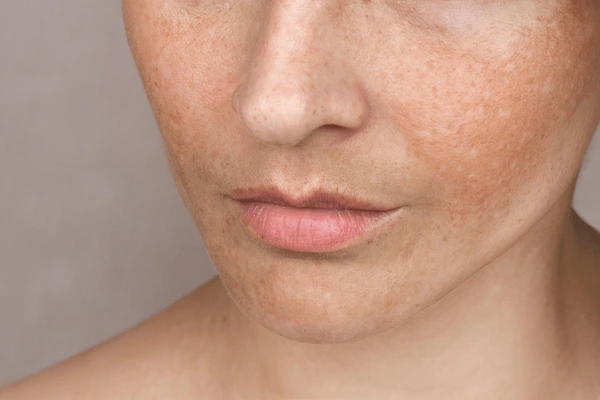
Post-inflammatory hyperpigmentation, often shortened to PIH, is extra pigment that appears after skin inflammation or injury. It is not the same as a scar, although it can take time to fade. It is particularly relevant when treating melasma, acne marks or darker skin tones because an overly aggressive procedure can worsen the colour problem it was meant to improve.
Risk reduction begins before the peel. The doctor should assess the diagnosis, recent tanning, skin sensitivity, current products and history of pigment changes. Some patients are given a preparation routine. After treatment, the most useful actions are consistent sun protection, minimising irritation and avoiding picking. More peeling is not necessarily a better result.
If new dark patches appear, do not immediately apply several brightening acids. Contact the treating clinic. The skin may first need to settle. Treatment depends on whether the colour change is post-inflammatory pigmentation, ongoing melasma, irritation or another condition. Learn more about doctor-led pigmentation treatment in Malaysia.
Chemical peel aftercare for acne-prone skin
Patients with acne may worry that moisturiser will clog pores or that pausing active products will cause a breakout. The correct plan balances barrier recovery with acne control. Do not squeeze new spots on freshly peeled skin. Avoid spot treatments that burn or sting unless the doctor has approved them.
A peel can be one part of an acne plan, but it does not replace diagnosis, prescription treatment or scar prevention when these are needed. Comedonal acne, inflammatory acne, hormonal patterns and fungal folliculitis do not have identical management. If acne is the main concern, review the broader acne treatment options rather than repeatedly booking peels without reassessment.
Can you wear makeup after a chemical peel?
The answer depends on the peel depth and the condition of the skin. Makeup may be allowed soon after some very superficial peels, while stronger procedures require a longer pause. Do not cover raw, blistered, weeping or crusted skin with cosmetics. Brushes and sponges can also carry microorganisms if they are not clean.
Ask the clinician for a clear return date. When makeup is resumed, use clean tools, avoid vigorous blending and remove it gently. If makeup causes burning, stop and cleanse carefully. Concealing redness for an event is not worth prolonging an adverse reaction.
Exercise, sweating, heat and outdoor activity
Strenuous exercise raises skin temperature and sweating. Salt in sweat may sting, and wiping the face creates friction. Many clinicians advise avoiding heavy workouts for the early recovery period, but the exact time depends on the peel. Gentle indoor movement may be acceptable if the skin is comfortable.
Malaysia’s heat and humidity add practical challenges. Plan outdoor errands outside peak sun, carry a clean hat and do not leave sunscreen in a hot car. If the face becomes hot or sweaty, blot gently rather than rubbing. Avoid direct fan or air-conditioning exposure if it makes the skin uncomfortably dry.
What is normal and what is a warning sign?
| Often expected after an appropriate peel | Contact the clinic promptly | Seek urgent medical care |
|---|---|---|
| Mild redness, tightness, dryness, light flaking and temporary sensitivity that gradually improve. | Symptoms that worsen instead of improve, persistent burning, marked itching, increasing swelling, new rash, suspected cold-sore outbreak or unexpected pigment change. | Severe or escalating pain, extensive blistering, facial or eye swelling affecting function, breathing difficulty, fever with spreading redness, pus, rapidly developing grey or black skin, or other signs of a serious reaction. |
Photographing the area in consistent lighting can help the doctor assess a change, but a photograph does not replace examination. Contact the clinic that performed the peel because they know the product, strength, contact time and endpoint. If the clinic is unavailable and symptoms are severe, seek urgent care.
When can active skincare be restarted?
There is no universal day. A safe restart depends on whether redness, stinging, flaking and tenderness have resolved and on the strength of each product. Your doctor may reintroduce one product at a time, at a lower frequency, before returning to the full routine.
Prescription acne or pigmentation treatment deserves special attention. Do not permanently stop a medically necessary medicine without advice, but do not restart it automatically on irritated skin either. Ask for written instructions before leaving the clinic. If the treatment plan includes hydroquinone, retinoids, azelaic acid or exfoliating acids, clarify the pause and restart dates for each one.
When should the next peel or laser be scheduled?
Repeat treatment should be based on skin recovery and clinical progress, not a rigid social media timetable. Superficial peels may be performed as a series, but increasing frequency or strength can increase irritation without improving the outcome. Pigmentation often needs a combined long-term plan that addresses sun exposure, skincare and triggers.
Chemical peels and lasers can target overlapping concerns, yet they work differently. A clinician should decide the order and interval based on the diagnosis and skin response. Read how Pico laser treatment is assessed, then discuss which method fits the concern rather than assuming both are always required.
How to prepare for a smoother recovery
- Tell the doctor about pregnancy, breastfeeding, medicines, allergies, eczema, keloids, recent procedures and a history of cold sores.
- Bring or photograph the skincare products you use, including prescriptions and products bought online.
- Avoid arriving with sunburn, active infection, open wounds or newly irritated skin.
- Ask which peel is planned, its intended depth, expected downtime and the realistic goal.
- Obtain written aftercare and a clinic contact method before treatment.
- Schedule around important events. Do not assume every peel is a no-downtime procedure.
- Have a gentle cleanser, suitable moisturiser and sunscreen ready at home.
Choosing a chemical peel provider in Malaysia
Chemical peeling is not one uniform beauty service. The Ministry of Health Malaysia’s Guidelines on Aesthetic Medical Practice list superficial and medium-depth chemical peels within the scope and competency framework for registered medical practitioners. Ask who will assess you, who will perform the procedure and what training they have.
A responsible consultation should identify the condition being treated, examine the skin, discuss alternatives and explain likely downtime and complications. Be cautious with promises of guaranteed whitening, permanent melasma removal or a dramatic result from one peel. Skin biology, adherence and sun exposure affect outcomes.
Vivardi Clinics provides doctor-led chemical peel treatment in Selangor. Suitability, peel selection and aftercare are decided after an individual assessment. No article can determine the correct peel strength for a reader.
Chemical peel aftercare checklist
Do
- Follow the clinic’s written instructions.
- Cleanse gently when permitted.
- Moisturise with the recommended product.
- Use broad-spectrum sun protection.
- Let flakes detach naturally.
- Report worsening symptoms early.
Do not
- Pick, peel or scrub the skin.
- Use strong acids or retinoids too soon.
- Wax or use depilatory cream on the area.
- Expose healing skin to tanning or prolonged sun.
- Copy another person’s recovery routine.
- Ignore severe pain, blisters or infection signs.
Frequently asked questions
How long does peeling last after a chemical peel?
Visible flaking after a superficial peel commonly lasts several days, but the range varies. The American Academy of Dermatology notes a healing period of roughly one to seven days for a light peel. Medium or deep peels require longer recovery and closer follow-up. Ask about the intended depth before treatment.
What if my skin does not peel?
A lack of obvious flaking does not prove that the peel failed. Some superficial peels produce subtle dryness rather than sheets of skin. The result should be judged against the treatment goal and follow-up assessment, not the amount of visible peeling.
Can I wash my face after a chemical peel?
Follow the product-specific instructions from your clinician. When washing is permitted, use lukewarm water, clean hands and a mild cleanser. Avoid hot water, scrubbing, cleansing brushes and rough towels.
Can I use vitamin C after a peel?
Some vitamin C formulas can sting sensitive skin. Do not restart based on the ingredient name alone because concentration and formulation matter. Wait until the clinician confirms that the barrier has recovered, then reintroduce products gradually.
Can I exercise after a chemical peel?
Heavy exercise, heat and sweating may worsen stinging and redness during early recovery. The appropriate pause depends on peel depth and skin response. Ask for a specific timeframe and restart gradually when the skin is comfortable.
Can I pull off loose peeling skin?
No. Pulling may remove skin that is still attached, creating a raw area with a higher risk of infection and pigment change. Moisturise as directed and allow the skin to shed naturally.
Why is my skin darker after a chemical peel?
Darkening can be temporary crusting, accentuated pigment or post-inflammatory hyperpigmentation. It should be assessed rather than treated aggressively at home. Contact the clinic, particularly if the change is increasing or accompanied by irritation.
When can I wear makeup?
It depends on peel depth and whether the skin surface is intact. Makeup may be possible quickly after a very light peel, while stronger peels require a longer pause. Never apply makeup over raw, blistered or weeping skin.
Is sunscreen enough after a chemical peel?
Sunscreen is essential but works best with shade, hats and reduced direct exposure. Reapply as directed and avoid deliberate tanning. The treating clinician can recommend a formulation appropriate for sensitive or pigment-prone skin.
When should I call the clinic?
Call when pain, burning, redness or swelling is increasing, or if you develop blisters, discharge, a spreading rash, a cold-sore outbreak or unexpected pigment change. Severe pain, breathing difficulty, fever with spreading redness or rapidly damaged-looking skin needs urgent medical care.
Medical references
- Ministry of Health Malaysia: Guidelines on Aesthetic Medical Practice
- American Academy of Dermatology: Chemical peels FAQs
- US FDA: Warning about unsupervised chemical peel products
References support general education. Product instructions and an individual medical assessment take priority.
Plan your peel and recovery with a doctor
Book a private skin assessment at Vivardi Clinics to discuss your concern, skin tone, suitable peel depth, alternatives and a personalised aftercare plan.
Medically reviewed by Dr. Dinesh Kumar. This article is for general education and does not replace diagnosis, examination or personalised medical advice. Results, recovery and risks vary by person and procedure.