

Human Growth Hormone Therapy in Malaysia
As we age, natural growth hormone slowly declines, which can show up as low energy, slower recovery and changes in body composition. At Vivardi Clinics in Rawang, our doctors offer medically supervised HGH therapy with approved Somatropin, prescribed only after a proper assessment.

Quick summary
- Growth hormone therapy is for people with a diagnosed deficiency, not a general anti-ageing shortcut.
- A doctor assesses whether it is appropriate and explains the risks before anything begins.
- When used, it is closely monitored. We will be honest about what it can and cannot do.
Your enquiry is kept strictly confidential and handled in line with Malaysia's PDPA.
What Is HGH Therapy?
HGH therapy is the medical use of Somatropin, a form of growth hormone that is identical to the one your body makes. It is prescribed only when medically indicated, to safely restore hormone levels and support metabolism, physical performance and recovery. Here is what growth hormone does in the body:
- Supports muscle growth and strength
- Promotes fat metabolism
- Aids tissue repair and recovery
- Helps maintain bone density
- Supports energy and physical endurance

Benefits of HGH Therapy
Energy and stamina
More daily energy and better physical endurance.
Muscle tone and strength
Support for lean muscle and overall strength.
Recovery and healing
Better tissue repair and faster recovery.
Metabolism and body shape
Improved metabolism and healthier body composition.
Bone density
Support for maintaining stronger bones over time.
Overall wellbeing
A general lift in vitality and quality of life.

Who May Benefit
- Adults with a clinically confirmed growth hormone deficiency
- Reduced energy and slower recovery
- Poor muscle mass despite regular training
- Increased fat accumulation
- Wanting medical support for metabolic health
HGH therapy is not prescribed for cosmetic reasons alone. A medical assessment confirms whether it is suitable for you.
What to Expect During HGH Therapy
Every plan is tailored to your medical needs and reviewed over time.
Consultation
A medical consultation and symptom assessment to understand your goals and history.
Blood tests
Blood investigations and hormone evaluation to confirm whether therapy is appropriate.
Guided start
Education on the simple pen injection technique so you feel confident at home.
Monitoring
Ongoing monitoring and dose adjustments to keep therapy safe and effective.
Safety and Monitoring
HGH therapy at Vivardi is closely monitored, with regular follow ups to check hormone levels, your metabolic response and any side effects. We use only medically approved Somatropin products, and your doctor adjusts the plan as needed to keep it safe.
- Regular blood work and review appointments
- Approved Somatropin, prescribed only when indicated
- Dose tailored and adjusted to your response

What the Research Shows
average increase in lean body mass after 12 months of growth hormone replacement
average reduction in visceral fat over the same period
randomised controlled trials reviewed, covering 3,200 adults with growth hormone deficiency
Based on a 2025 meta-analysis of adult growth hormone deficiency and the Endocrine Society 2024 clinical practice guidelines. Individual results vary and depend on your medical assessment.
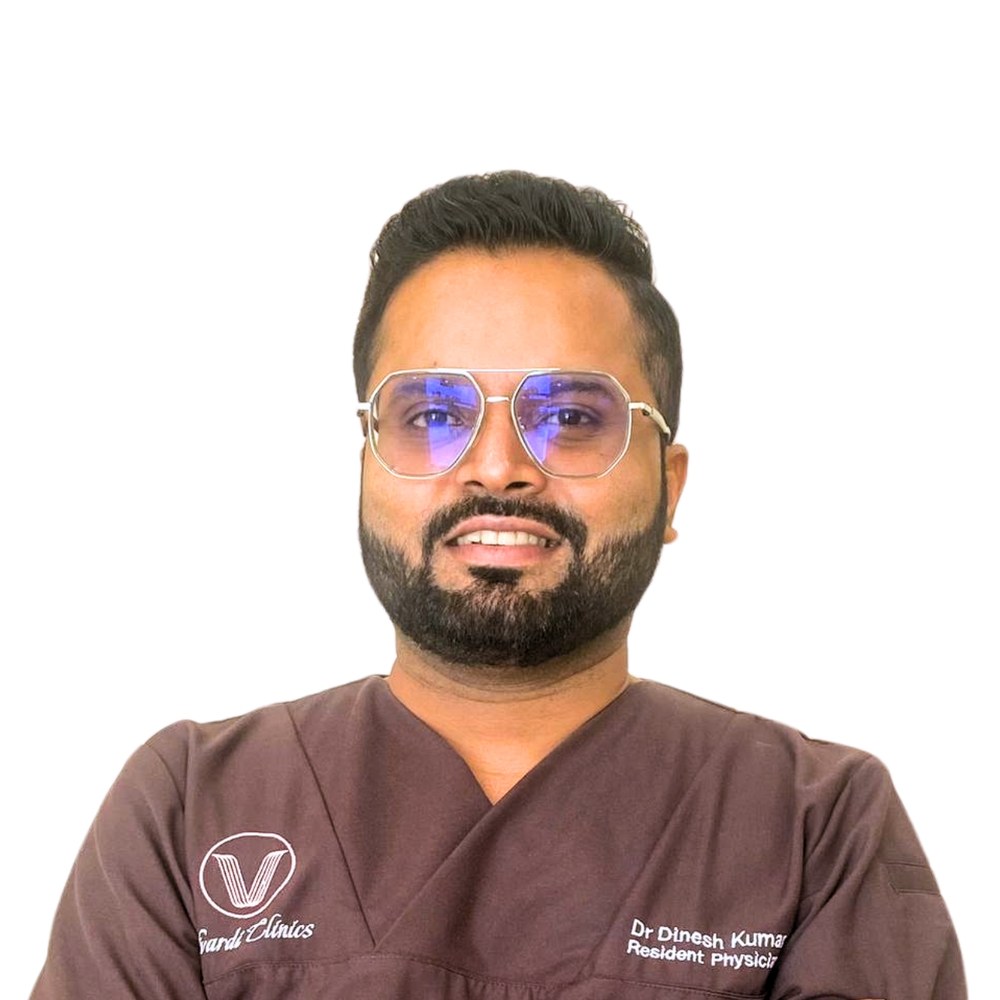
Dr. Dinesh Kumar
MBBS (AIMST) · LCP Certified Aesthetic Physician · Certificate in Men's Health. Dr. Dinesh oversees hormone assessments at Vivardi and personally reviews each HGH therapy plan.
What Causes Low Growth Hormone in Adults?
Growth hormone is made by the pituitary gland, a small gland at the base of the brain. Adult growth hormone deficiency (AGHD) happens when the pituitary does not release enough of it. Some men are affected from childhood, while in others it develops later in life. A natural, gentle decline with age is normal, but a true deficiency usually has a specific cause.
- Natural decline of growth hormone with age
- Pituitary gland tumours or cysts
- Previous pituitary surgery or radiotherapy
- Serious head injury affecting the pituitary
- Deficiency carried over from childhood
Because the causes vary, a proper assessment is the only reliable way to know whether therapy will genuinely help you.
How We Diagnose Growth Hormone Deficiency
Growth hormone is released in pulses, so a single random reading is not enough. We confirm a deficiency using the right blood work and, where needed, a stimulation test, before any therapy is considered.
IGF-1 blood test
A stable marker that reflects your average growth hormone activity over time.
Stimulation testing
Where indicated, a test that checks how well your pituitary can release growth hormone.
Full health review
Other pituitary hormones and general health markers, so therapy is safe and appropriate.
What Results to Expect, and When
Growth hormone therapy works gradually. Knowing the timeline helps you set fair expectations and stay consistent.
First few weeks
Many people notice better sleep, mood and a lift in daily energy first.
Three to six months
Improvements in recovery, body composition and exercise capacity become clearer.
Six to twelve months
Lean muscle, reduced visceral fat and stronger bone density continue to develop.
Ongoing
Regular reviews keep your dose right and your results steady and safe.
Why Choose Vivardi for HGH Therapy in Rawang
Doctor-led care
Every plan is assessed and supervised by our LCP-certified medical team.
Test-led, not hype
We only treat confirmed deficiency, guided by your blood results.
Private and discreet
Confidential consultations handled under Malaysia's PDPA.
Convenient location
Easy to reach from across Rawang and the wider Klang Valley.
Approved medicine only
We use medically approved Somatropin, never grey-market products.
Ongoing monitoring
Regular reviews to keep therapy safe, effective and tailored to you.
HGH Therapy vs TRT: What Is the Difference?
Both support energy, body composition and recovery, but they work on different hormones. Some men benefit from one, and a smaller number from both, always after testing.
Growth hormone (HGH)
Replaces growth hormone using Somatropin when a deficiency is confirmed.
Tends to help most with recovery, lean muscle, visceral fat and overall vitality.
Testosterone (TRT)
Restores testosterone in men diagnosed with low levels.
Tends to help most with libido, mood, drive, muscle strength and energy.
Not sure which applies to you? A simple blood panel and consultation will make it clear.
Who Should Avoid HGH Therapy
HGH therapy is safe for the right candidates, but it is not suitable for everyone. During your consultation we take a full history to make sure it is appropriate before prescribing.
- People with an active or recent cancer
- Uncontrolled diabetes or significant diabetic eye disease
- Severe untreated sleep apnoea
- Certain serious heart or breathing conditions
If HGH is not right for you, we will be honest about it and discuss safer alternatives.
Supporting Your Results Naturally
Therapy works best alongside healthy habits. These simple basics help your body respond and protect your investment in your health.
Quality sleep
Most natural growth hormone is released during deep sleep, so rest matters.
Strength training
Resistance exercise supports muscle and complements your therapy.
Balanced nutrition
Enough protein and a sensible diet help recovery and body composition.
What HGH Therapy Will Not Do
We believe in setting honest expectations. HGH therapy can genuinely help when there is a real deficiency, but it is not a shortcut or a miracle cure, and we will always tell you the truth about what to expect.
Not an overnight fix
Real changes build over months of consistent, supervised treatment, not days.
Not a substitute for training
It supports muscle and recovery, but you still need exercise and good nutrition.
Not for everyone
If your levels are normal, we will not prescribe it and will explain why.
Frequently Asked Questions
Is HGH therapy legal in Malaysia?
Is HGH therapy safe?
Is HGH therapy the same as steroids?
How is Somatropin administered?
When will I notice results?
Are there side effects?
Who should not undergo HGH therapy?
Do I need a blood test before starting?
Will my visit stay private?
Restore Energy and Balance
Speak with our doctors in Rawang about whether medically supervised HGH therapy is right for you. Private, professional and evidence-based.
Medically reviewed by Dr. Dinesh Kumar, Medical Director, Vivardi Clinics. MBBS (AIMST), LCP-Certified Aesthetic Physician, Cert. Men’s Health. Last reviewed June 2026.
Care at Vivardi is provided by our team of qualified doctors. This page is for general education and does not replace a personal consultation.
HGH Therapy for Growth Hormone Deficiency: 2025 Clinical Evidence
Adult growth hormone deficiency (AGHD) is an established medical condition associated with increased visceral fat, reduced lean muscle mass, impaired bone density, low energy, and diminished quality of life. A 2025 meta-analysis of 38 randomised controlled trials involving 3,200 AGHD adults confirmed that 12 months of growth hormone replacement therapy resulted in an average 8.8% increase in lean body mass, a 7.4% reduction in visceral fat, and clinically significant improvements in self-reported energy and vitality scores. The Endocrine Society's 2024 updated clinical practice guidelines recommend HGH therapy for confirmed AGHD (IGF-1 below reference range and failed stimulation test), with annual monitoring of IGF-1, fasting glucose, and bone markers. HGH is not indicated for anti-ageing use in individuals with normal GH levels. At Vivardi Clinics, HGH therapy is only initiated following comprehensive biochemical confirmation of deficiency, in full compliance with Malaysian Ministry of Health prescribing guidelines.
What is human growth hormone (HGH) therapy and who needs it?
Human Growth Hormone (HGH) therapy involves supplementing recombinant HGH to address growth hormone deficiency (GHD) — a condition where the pituitary gland produces insufficient HGH. In adults, GHD symptoms include increased body fat (especially abdominal), reduced muscle mass and strength, poor exercise capacity, fatigue, low libido, and impaired quality of life. Diagnosis requires an IGF-1 blood test and a stimulation test performed by an endocrinologist or trained doctor.
What are the benefits of HGH therapy for adults in Malaysia?
Clinically supervised HGH therapy in adults with confirmed GHD can improve body composition (increased lean muscle, reduced visceral fat), energy levels, exercise capacity, bone density, mood, and sexual function. Anti-ageing effects — including improved skin quality and cognitive function — are also reported. Results become noticeable after 3–6 months of consistent treatment and continue to improve over 1–2 years.
Is HGH therapy safe?
HGH therapy prescribed for confirmed growth hormone deficiency and administered at physiological doses under medical supervision is considered safe. Common side effects at the start of treatment include fluid retention, joint aches, and carpal tunnel syndrome, which typically resolve with dose adjustment. HGH should only be used when a clinical deficiency is confirmed — misuse or supraphysiological doses carry serious risks including glucose intolerance and potential tumour growth.
How is HGH therapy administered in Malaysia?
HGH therapy is administered via subcutaneous (under-the-skin) self-injection, typically once daily at night to mimic the body's natural GH secretion pattern. Injection pens make self-administration simple. At Vivardi Clinics, we teach patients the correct injection technique and provide full monitoring support. Regular blood tests to check IGF-1 levels, glucose, and other markers are conducted during treatment.
How much does HGH therapy cost in Malaysia?
HGH therapy costs vary significantly depending on the brand, dose, and treatment duration. In Malaysia, prescription HGH pens typically cost RM1,500–RM5,000 per month depending on the dose required. Diagnostic assessment and follow-up monitoring are additional costs. A proper medical evaluation — including blood tests and clinical assessment — is mandatory before any HGH prescription is issued at Vivardi Clinics.