MBBS · LCP-Certified · Medical Director, Vivardi Clinics
~1%
Collagen lost per year from age 25
UV
Year-round in Malaysia, no safe season
80%
Of visible ageing caused by sun exposure
SPF50
Minimum recommended for Malaysian climate
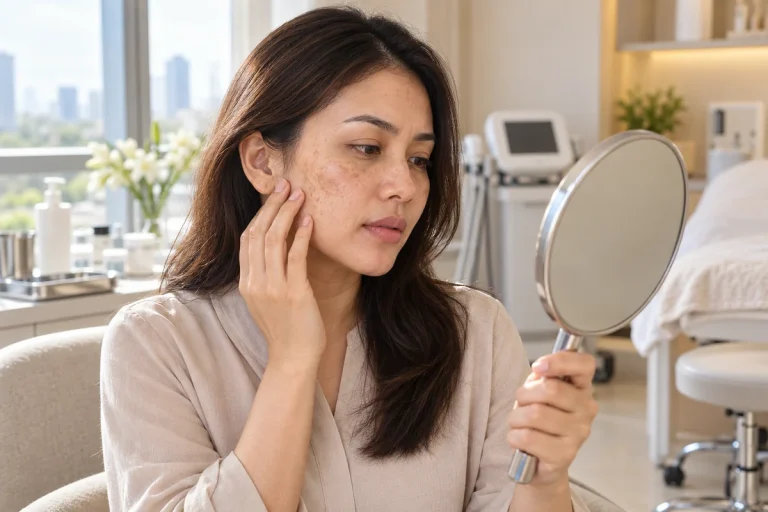
Most people in Malaysia notice it in their mid-thirties – a shift in how the skin looks and behaves that no amount of moisturiser seems to fully address. Texture feels less smooth. Pigmentation that was barely noticeable at 28 starts to spread. Pores appear larger. The skin that bounced back from a late night in your 20s now needs a few days to recover.
This is not just normal ageing. In Malaysia specifically, the combination of year-round UV exposure, tropical humidity, heat, and pollution creates an accelerated ageing environment that is genuinely different from what people in temperate climates experience. Understanding what is actually happening – and what can meaningfully slow it down – is what this article is about.
Doctor’s Note
This article is written by Dr. Dinesh Kumar, Medical Director at Vivardi Clinics Rawang, based on clinical experience and current dermatological research on ageing in tropical skin types.
The Malaysia Climate Factor: Why Your Skin Ages Differently Here
Skin ageing research from Western countries often underestimates how much the tropical environment accelerates the process. In Malaysia, your skin faces a unique set of stressors every single day – most of them invisible.
☀️
Year-Round UV Radiation
Malaysia sits close to the equator, meaning UVA and UVB levels are high and consistent across all 12 months. There is no winter reprieve. Cumulative UV exposure is the single biggest driver of premature skin ageing, causing collagen breakdown, DNA damage and melanin overproduction.
Biggest ageing driver
💧
Humidity and Barrier Disruption
High humidity creates the illusion of hydrated skin but actually disrupts the skin barrier over time. Sweat mixed with sebum and environmental pollutants clogs pores, increases bacterial load and causes chronic low-grade inflammation that accelerates skin ageing.
Accelerates inflammation
❄️
Air Conditioning Exposure
Most Malaysians move between intensely air-conditioned interiors and humid outdoor environments repeatedly throughout the day. This cycle of dehydration and rehydration weakens the skin barrier, causing moisture loss, increased sensitivity and accelerated fine line formation.
Chronic dehydration
🏙️
Urban Pollution
Particulate matter, vehicle emissions and haze events generate free radicals that penetrate the skin and trigger oxidative stress. This degrades collagen and elastin at a cellular level, producing dull, uneven skin tone and accelerating the loss of firmness.
Oxidative stress
In Malaysia, photo-ageing is not a risk – it is a certainty for anyone who does not actively protect their skin. The sun does not care whether you are indoors near a window, driving, or spending five minutes walking to your car. UVA penetrates glass and causes collagen damage silently, every single day.
Dr. Dinesh Kumar, Medical Director – Vivardi Clinics
What Actually Changes in Your Skin After 35
Skin ageing is not a single event – it is a series of overlapping biological changes that accumulate over time. Here is what is happening at each stage.
Mid 30s
What begins to change
Collagen and elastin production noticeably slows. Skin cell turnover (renewal rate) drops from roughly 28 days to 35-40 days, meaning dull skin persists longer. Early dynamic lines around the eyes and forehead become static. Hyperpigmentation from cumulative UV exposure starts to surface. Pores appear larger as surrounding skin loses firmness.
Late 30s
Accelerating changes
Volume loss begins around the temples, under-eye area and mid-face as fat pads redistribute downward. Skin hydration capacity reduces as hyaluronic acid levels decline. Pigmentation patches deepen. Jawline definition begins to soften. For women approaching perimenopause, oestrogen fluctuations cause sudden shifts in oiliness, sensitivity and acne patterns.
40s
Structural changes become visible
Bone remodelling and fat pad descent creates hollowing under the eyes and jowling along the lower face. Neck skin begins to show laxity. Established wrinkles deepen. In darker Malaysian skin tones, melasma and uneven pigmentation are often the dominant concern rather than wrinkles. Skin recovery from sun exposure or injury becomes slower.
Early Signs Specific to Malaysian Skin
Malaysian skin, which predominantly includes Malay, Chinese and Indian skin types, has more melanin than Western Caucasian skin. This provides some natural UV protection but also makes certain ageing signs more prominent.
Darker Skin Tones Age Differently
For most Malaysians, the first visible signs of ageing are hyperpigmentation, uneven tone and melasma – not wrinkles. Fine lines tend to appear later compared to Caucasian skin, but pigmentation and textural changes can start as early as the late 20s with cumulative sun exposure.
The most common early signs I see in Malaysian patients in their 30s include: post-inflammatory hyperpigmentation that takes longer to fade, flat brown sun spots on the cheeks and forehead, a loss of skin translucency and glow, enlarged pores around the nose and cheeks, and the first appearance of nasolabial fold shadowing from volume redistribution.
The Daily Home Routine That Actually Makes a Difference
Before any clinic treatment, the foundation has to be right. A good home routine does not need to be complicated – it needs to be consistent and use the right ingredients for Malaysian skin conditions.
Morning Routine
Gentle cleanserAvoid stripping cleansers. Cream or gel with pH 4.5-5.5 to preserve skin barrier.
Vitamin C serum10-20% L-ascorbic acid. Apply before SPF for antioxidant protection against UV and pollution.
Lightweight moisturiserGel or lotion texture suited to humidity. Look for niacinamide or ceramides.
SPF 50 sunscreenNon-negotiable. Broad-spectrum. Reapply every 2 hours if outdoors. This single step does more than any other product.
Evening Routine
Double cleanseOil cleanser first to remove SPF and pollutants, then gentle foam or gel cleanser.
Retinol or retinoidStart low (0.025-0.05%) twice weekly. The most evidence-backed anti-ageing active available over the counter.
Hydrating serumHyaluronic acid, polyglutamic acid or beta-glucan to restore moisture lost to air conditioning.
Rich night moisturiserRicher than daytime. Ceramide-based formulas help repair the skin barrier overnight.
Skincare Ingredients With Real Evidence Behind Them
The skincare market is full of products making extraordinary claims. Here is a straightforward breakdown of which ingredients have genuine clinical evidence for anti-ageing in skin types common in Malaysia.
Excellent for Malaysian skin. Well-tolerated, suits oily and combination skin common in humid climates.
Hyaluronic Acid
Surface hydration, plumps fine lines temporarily
Good
Works best in humid conditions. In very dry AC environments, can draw moisture out of skin without a sealing layer.
AHA (Glycolic / Lactic Acid)
Exfoliation, brightening, pigmentation reduction
Good
Use at night only. Increases sun sensitivity, making SPF even more critical the following morning.
Ceramides
Barrier repair, reduces sensitivity and moisture loss
Good
Particularly important for skin stressed by AC exposure. Foundation of good barrier function.
Peptides
Signal collagen production, mild firming effect
Moderate
Good addition but generally slower and milder than retinoids. Safe for sensitive skin.
Clinic Treatments Worth Considering After 35
A good home routine maintains and protects. Clinic treatments address what home routines cannot – structural collagen loss, deep pigmentation, volume deficit and cellular-level renewal. Here are the treatments most relevant for Malaysian skin after 35.
Pico Laser
Pigmentation + Texture
Delivers ultra-short laser pulses that shatter pigmentation particles without heat damage. Particularly effective for the sun spots, melasma and post-inflammatory pigmentation that are the dominant ageing concern for most Malaysian skin types. Also stimulates collagen for skin texture improvement.
Sun spotsMelasmaUneven toneEnlarged poresAcne scars
REVOK-50 / Plinest Skin Booster
Hydration + Collagen
Injectable skin boosters deliver hyaluronic acid, amino acids and polynucleotides directly into the dermis where topical products cannot reach. They stimulate fibroblasts to produce new collagen and elastin, restoring the internal hydration and structural quality that topical skincare cannot replicate. Ideal for the dull, dehydrated skin caused by chronic AC exposure.
Deep hydrationCollagen stimulationGlow restorationFine lines
Collagen Biostimulators
Volume + Structure
Products like Sculptra or Radiesse stimulate your own collagen production rather than adding filler volume directly. They work gradually over 3-6 months, producing natural-looking improvement in skin thickness, firmness and facial contour. Best suited for patients noticing the early hollowing and loss of definition that begins in the late 30s.
Botulinum toxin injections relax overactive facial muscles that cause dynamic lines around the eyes, forehead and between the brows. In the context of tropical sun damage, these lines often deepen faster than they would in temperate climates. Regular treatment at an appropriate interval also has a preventative effect on line deepening over time.
Crow’s feetForehead linesFrown linesPrevention
Thread Lift
Lifting + Tightening
Dissolvable threads are inserted under the skin to physically lift sagging tissue and stimulate collagen formation around the thread tracks. Particularly effective for early jowling, mid-face descent and neck laxity. A good option for patients who want visible lifting without surgery or extended downtime.
Medical-grade chemical peels using glycolic, lactic or TCA acids accelerate skin cell turnover, resurface textural irregularities and improve pigmentation. Lighter peels are suitable year-round in Malaysia’s climate with proper sun protection. Deeper peels require careful scheduling around sun exposure. Excellent for addressing the cumulative dullness and uneven tone that builds up from years of tropical UV exposure.
Dull skinPigmentationTextureResurfacing
Sequence Matters
The order in which you introduce clinic treatments makes a significant difference to outcomes. A doctor should assess your skin, establish a home routine baseline first, and sequence treatments logically. Doing a resurfacing laser when the skin barrier is compromised, for example, leads to longer recovery and poorer results.
Common Questions
Malaysia’s tropical climate means year-round intense UV exposure, high humidity that disrupts the skin barrier, heat that drives inflammation, and the constant dehydrating effect of air conditioning. This combination accelerates photo-ageing, pigmentation, collagen breakdown and barrier damage compared to people in temperate climates.
Unlike Europe or Australia where seasons affect UV intensity, Malaysia has no “safe” sun season. Treatments that increase photosensitivity – like chemical peels and laser – should always be followed by strict sun avoidance and SPF use regardless of the month. The best time to start is simply as early as you are motivated to be consistent with sun protection afterwards.
Yes, and the evidence is overwhelming. Research on identical twins with different sun exposure habits consistently shows dramatic differences in skin ageing. For Malaysian skin specifically, daily SPF 50 use is the single most impactful intervention available, preventing the photo-ageing, melasma and uneven tone that drive the most visible signs of ageing here.
Yes. Retinol is safe and effective in tropical climates but should always be used at night, built up gradually to minimise irritation, and followed religiously with SPF the next morning as it increases sun sensitivity. The combination of evening retinol and morning SPF is one of the most evidence-backed anti-ageing pairings available.
Vivardi Clinics in Rawang, Selangor offers personalised skin consultations with Dr. Dinesh Kumar, an LCP-certified aesthetic physician. Your skin type, specific concerns and lifestyle are assessed before any treatment is recommended. Contact us at 011-8888 6503 or WhatsApp to book.
Skin Assessment at Vivardi Clinics, Rawang
Doctor-Led Skin Care for Malaysian Skin
🔬
Skin Type Assessment FirstWe assess your actual skin condition, concerns and lifestyle before recommending any treatment or product
🎯
Treatments Matched to Your ConcernsPigmentation, laxity, hydration, texture – each addressed with the right tool, not a standard package
💉
Full Range of Clinic TreatmentsPico Laser, skin boosters, biostimulators, anti-wrinkle, thread lift and chemical peels all available in one clinic
🎓
LCP-Certified DoctorDr. Dinesh Kumar, MBBS. All treatments planned and performed by the doctor, not delegated to non-medical staff
Vivardi Clinics · Rawang, Selangor
Start With a Skin Assessment
Book a consultation with Dr. Dinesh Kumar to understand exactly what is happening with your skin and build a treatment plan that fits your goals and budget.
📍 Pusat Komersial Anggun City, 63A-1, Jalan Anggun City 2, Taman Anggun, 48000 Rawang📞 03-6420 9276🕐 Mon-Fri 9am-6pm · Sat 9am-2pm
Medical Disclaimer: This article is intended for educational purposes only and does not constitute personalised medical or skincare advice. Skin ageing varies between individuals based on genetics, lifestyle, skin type and other factors. Consult a qualified medical professional before beginning any new skincare treatment or in-clinic procedure.
Jeragat yang degil dan tak mahu hilang memang mengganggu keyakinan. Ramai keliru antara melasma dan sunspot, sedangkan kedua-duanya berbeza dan memerlukan pendekatan rawatan yang berlainan. Di Vivardi Clinics, Rawang, Selangor, doktor kami membantu anda memahami punca sebenar masalah pigmentasi dan memilih rawatan yang betul, termasuk Pico laser. Apa beza melasma dan sunspot? Melasma Melasma adalah…
🌙 Skin Biology · Education · Rawang Selangor Night cream marketing says your skin repairs at night. The biology actually proves it in remarkable molecular detail — far more specific and mechanistically fascinating than any advertising has explained. Understanding it makes every skincare and treatment decision sharper. DK Dr. Dinesh Kumar · LCP-Certified Physician April…
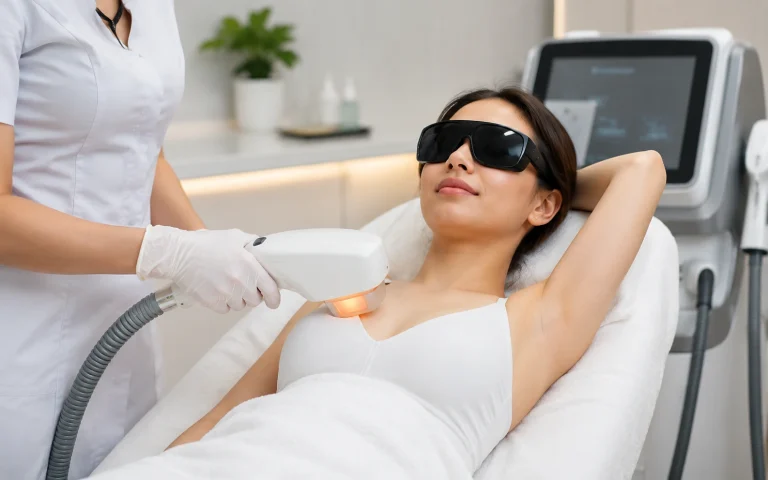
A doctor-led guide to diode laser hair removal in Malaysia. Learn if it is permanent, how many sessions you need, how much it hurts, cost factors, and aftercare at Vivardi Clinics, Rawang.
In the world of skincare, there is often a debate between the “maintenance” approach and the “transformative” approach. Many people in Malaysia are accustomed to the routine of a monthly facial at a local beauty salon. While these sessions provide temporary relaxation and a brief surface glow, they often fail to address the deeper structural…
Swelling and bruising are common after filler, but unusual pain, colour change or visual symptoms are emergencies. Learn the full sleeping, exercise and skincare timeline.
One of the most frustrating things about pigmentation is when dark spots return after you thought they were gone. This cycle is common, and understanding why it happens is the key to breaking it. At Vivardi Clinics in Rawang, Selangor, our doctors help patients not only treat pigmentation but keep it from coming back. Why…