Skin Biology · Pore Science · Rawang Selangor
Pores cannot be opened or closed with steam and cold water. They cannot be permanently shrunk with a serum. But the biology of why they enlarge — and what genuinely reverses it — is actually straightforward.
Dr. Dinesh Kumar · LCP-Certified Physician
📅 May 2026 | Vivardi Clinics, Rawang
Enlarged pores are one of the most common skin concerns in aesthetic practice, yet they are also one of the most misunderstood. The internet is full of advice about steaming your face to “open pores”, using cold water to “close” them, and applying countless serums that promise to shrink them overnight. Almost all of this advice is biologically incorrect. Pores are not doors. They do not open and close. And understanding what they actually are — and what genuinely affects their appearance — changes your approach entirely.
What a Pore Actually Is
The “pores” visible on your face are follicular openings — the surface-level opening of the pilosebaceous unit, which consists of a hair follicle and its attached sebaceous gland. Almost every follicle on your face has a sebaceous gland. The sebum these glands produce travels up the follicle canal and exits at the skin surface through this opening.
Pores are not simple holes. The follicular canal is a tube surrounded by a wall of keratinocytes, supported by a collar of dermal collagen. The width of the opening at the surface — the visible pore — is determined by four main factors:
- Genetic sebaceous gland size: Larger glands produce more sebum, keeping the follicle canal dilated. This is largely hereditary.
- Volume of sebum: When sebum production is high, the canal is continuously filled, maintaining dilation.
- Integrity of the collagen collar: Healthy, dense collagen around the follicle provides structural support that keeps the opening taut. Depleted collagen allows the wall to slacken.
- Stratum corneum thickness: Sun-damaged skin develops actinic thickening of the stratum corneum around follicle openings, making them appear more pronounced.
None of these factors are affected by steam, temperature changes, or cold water. The idea that pores open and close like windows is a persistent myth with no physiological basis.
Why Pores Look Bigger as You Age
Most people notice their pores become more visible in their 30s and 40s even if their skin type has not changed dramatically. Three age-related processes explain this:
1. Collagen Loss Removes Structural Support
The collagen matrix surrounding each follicle provides the scaffold that holds the pore opening taut. As collagen production declines from age 25 onwards, this scaffold becomes less dense and less rigid. The result is that the follicle wall becomes “slack” — the opening appears wider even if sebum production has not increased. This is particularly visible in sun-exposed areas where UV-driven collagen degradation compounds the age-related decline.
2. UV Damage Thickens Skin Around Pores
Chronic UV exposure in Malaysia — where the UV Index averages 10-12 year round — causes actinic damage that thickens the epidermis around follicle openings. This paradoxical thickening — cells piling up around the pore edge rather than inside it — makes pores appear more pronounced and defined, even if the actual follicle diameter has not changed.
3. Accumulated Sebum and Dead Cells Stretch Pores
When sebum and dead skin cells are not cleared efficiently from the follicular canal, they accumulate and gradually stretch the canal diameter over time. This is the biology behind the “blackhead enlarged pore” phenomenon — and why dermatologists consistently emphasise regular exfoliation (not just cleansing) for pore management.
The Sun Protection-Pore Connection
UV radiation is one of the most significant contributors to visible pore enlargement because it simultaneously: degrades peri-follicular collagen (removing structural support), causes actinic thickening of skin around pore openings (increasing visibility), and generates free radicals that oxidise sebum (making it stickier and harder to clear). Daily SPF50 is the single most important pore-management tool for Malaysian skin.
What the Evidence Actually Says About Pore Minimisation
Most pore-related skincare claims are not supported by strong clinical evidence. Here is an honest summary of what does and does not work:
The Retinol Approach: Patience Required
Retinoids are the most evidence-backed topical approach for genuine pore improvement, but they require both patience and proper use:
- Mechanism: Retinoids normalise follicular desquamation (reducing the buildup that stretches pores), reduce sebaceous gland size over months, and stimulate collagen production in the peri-follicular tissue.
- Timeline: Visible improvement in pore appearance typically requires 3-6 months of consistent nightly use. This is not a quick fix.
- Starting strength: Begin with 0.025-0.05% retinol 2-3 nights per week and build gradually. Retinoid dermatitis (peeling, redness) in the first 4-6 weeks is common and should be managed with moisturiser, not discontinuation.
- SPF is mandatory: Retinoids increase photosensitivity. Morning SPF50 is not optional when using retinoids.
“I tell patients who want to see pore improvement: the best non-clinical investment they can make is retinol used consistently for six months plus daily SPF50. Everything else is secondary. But for visible, lasting clinical results, Pico laser changes the game by addressing the collagen architecture that supports the pore.”
Dr. Dinesh Kumar, MBBS, LCP-Certified — Vivardi Clinics Rawang
Clinical Treatments for Pore Improvement
Picosecond laser energy creates photoacoustic pressure waves in the dermis that stimulate collagen remodelling around pore walls. This tightens the structural support of the follicle opening. Clinical studies show measurable pore size reduction after 3-5 sessions. The improvement is durable because it is structural, not cosmetic.
Salicylic acid peels penetrate into the follicular channel (being oil-soluble), dissolving the accumulated sebum and dead cells that keep pores dilated. A course of 4-6 peels produces cumulative improvement in both pore clarity and skin texture. Mandelic acid peels are gentler and more suitable for darker Malaysian skin.
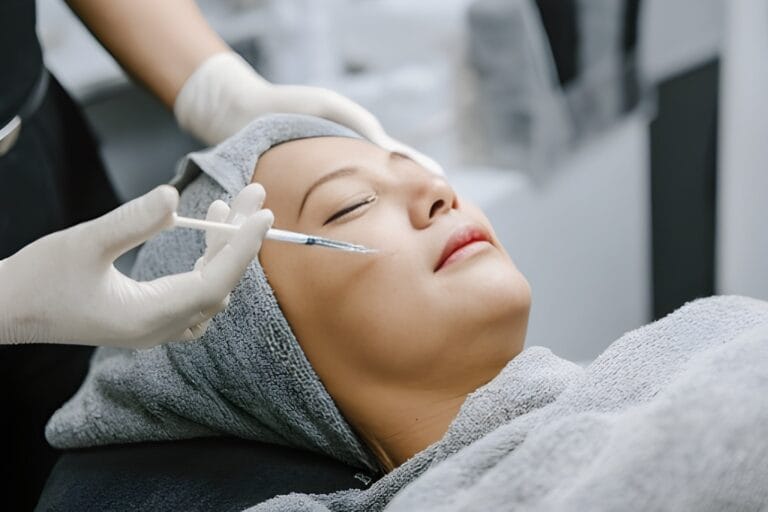
Restoring the dermal hyaluronic acid matrix improves skin plumpness and supports the structural environment around follicles. Patients often notice pore appearance improves as overall skin quality improves with skin booster treatment.
Dietary Modification
High-GI diet spikes insulin and IGF-1, which stimulate androgen receptors in sebaceous glands, increasing sebum production and pore dilation. Reducing processed carbohydrates and sugar can noticeably improve oily skin and pore appearance within 4-8 weeks.
The Pore Myths That Will Not Die
- Myth: “Steaming opens your pores to cleanse them better.” Reality: Pores do not open. Steam may slightly soften a sebum plug, making extraction marginally easier, but it has no effect on pore size or the biology of the follicle.
- Myth: “Cold water closes pores.” Reality: Cold water causes temporary vasoconstriction (blood vessel narrowing) which reduces redness. It has no effect whatsoever on follicle wall biology or pore opening diameter.
- Myth: “Large pores mean dirty skin.” Reality: Pore size is determined by genetics and sebum production — not hygiene. Over-cleansing in an attempt to reduce pores strips the skin barrier and paradoxically worsens oiliness.
- Myth: “Pore strips give lasting results.” Reality: They physically remove the surface sebum plug momentarily. The pore refills within days. They also damage the skin around follicles with repeated use.
Building Your Pore Management Routine
- Morning: Gentle cleanser + niacinamide serum (5-10%) + SPF50 (non-negotiable for pore management in Malaysia)
- Evening: Double cleanse + BHA exfoliant (salicylic acid) 2-3x per week + retinol (3-4x per week, building to nightly)
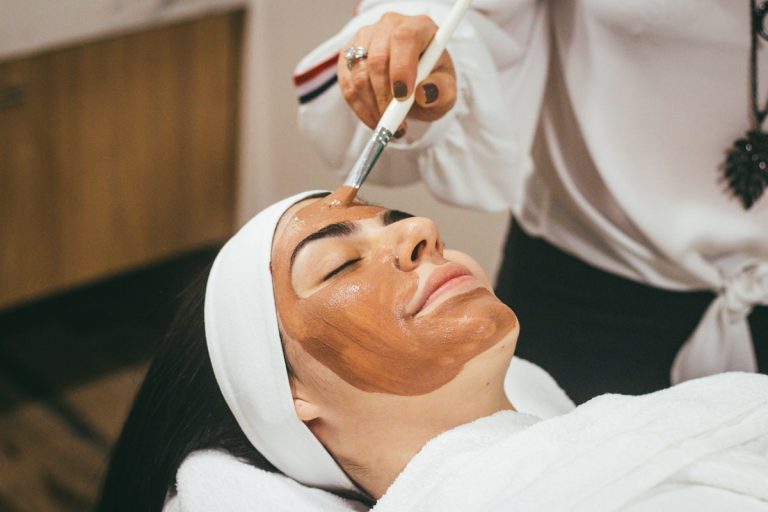
- Weekly: Clay mask for temporary sebum absorption on T-zone
- Monthly clinic: Chemical peel course for cumulative sebum-clearing and mild collagen stimulation
- Every 6-12 months: Pico laser session for structural peri-follicular collagen remodelling
Frequently Asked Questions
Frequently Asked Questions
Skin Consultation · Rawang, Selangor
Pores Are a Biology Problem. Treat Them With Biology.
Book a consultation with Dr. Dinesh for a proper pore assessment and a treatment plan that addresses the collagen and sebum biology — not just the surface appearance.

Medically reviewed by Dr. Dinesh Kumar, Medical Director, Vivardi Clinics. MBBS (AIMST), LCP-Certified Aesthetic Physician, Cert. Men’s Health. Last reviewed October 2026.
Care at Vivardi is provided by our team of qualified doctors. This page is for general education and does not replace a personal consultation.