The connection between what happens in your gut and what appears on your skin is not wellness marketing — it is an active area of immunological research. The mechanisms are specific, the evidence is growing, and the implications for skin treatment are significant.
The human gut contains approximately 38 trillion bacteria — outnumbering human cells by roughly equal measure. These microorganisms do not simply assist digestion. They educate the immune system, produce neurotransmitters, metabolise hormones, generate short-chain fatty acids that regulate inflammation throughout the body, and communicate directly with skin. The gut-skin axis is the name given to this communication network — and understanding it explains some of the most frustrating skin problems that do not respond to topical treatment alone.
The Gut-Skin Axis: The Key Connections
The gut and skin are connected through multiple biological pathways:
1. The Immune System
Approximately 70% of the body’s immune cells reside in the gut-associated lymphoid tissue (GALT). The gut microbiome educates these immune cells — teaching them to distinguish between threats and harmless antigens, and calibrating the intensity of inflammatory responses. Gut dysbiosis produces an immune system that is either overactive (chronic low-grade systemic inflammation) or dysregulated (inappropriate inflammatory responses). Both states are directly reflected in skin.
2. Intestinal Permeability (Leaky Gut)
Tight junction proteins between intestinal epithelial cells normally form a selective barrier that allows nutrient absorption while blocking bacterial products. Dysbiosis weakens these tight junctions, allowing bacterial lipopolysaccharide (LPS) — a component of gram-negative bacterial cell walls — to enter the bloodstream. LPS activates toll-like receptor 4 (TLR4) on monocytes and macrophages, triggering production of TNF-alpha, IL-6, and IL-1beta. These cytokines circulate systemically and activate inflammatory pathways in skin.
3. Short-Chain Fatty Acids (SCFAs)
Beneficial gut bacteria (Lactobacillus, Bifidobacterium, and others) ferment dietary fibre to produce short-chain fatty acids — primarily butyrate, propionate, and acetate. Butyrate is particularly important: it maintains intestinal barrier integrity, inhibits NF-kB inflammatory signalling, and promotes regulatory T cell development. Dysbiosis reduces SCFA production, removing these protective effects throughout the body including in skin.
4. Hormone Metabolism
The gut microbiome contains beta-glucuronidase enzymes that deconjugate oestrogen metabolites in the gut, allowing them to be reabsorbed rather than excreted. A dysbiosed gut can recirculate excess oestrogen, contributing to hormonal imbalances that drive adult acne (particularly in women) and other hormone-dependent skin changes.
Studies show: (1) Individuals with acne have measurably lower Lactobacillus and Bifidobacterium diversity; (2) Rosacea patients have higher rates of small intestinal bacterial overgrowth (SIBO) — with some studies showing rosacea clearing after SIBO treatment; (3) Psoriasis and eczema are associated with reduced gut microbiome diversity; (4) Probiotic supplementation in randomised trials has reduced inflammatory acne severity — the effect is modest but consistent. The gut-skin connection is becoming too consistent across conditions to be coincidental.
Malaysian Diet and Gut Microbiome Health
Modern Malaysian dietary patterns create significant gut microbiome challenges:
- Low dietary fibre: White rice, refined noodles, and white bread dominate — minimal fermentable fibre for beneficial bacteria
- High sugar intake: Teh tarik, fruit juices, and sweetened beverages feed pathogenic bacteria preferentially over beneficial strains
- Low fermented food intake: Traditional fermented foods (tempeh, tapai) are underconsumed in urban diets — they are natural probiotic sources
- Antibiotic overuse: Malaysia has relatively high antibiotic use rates, significantly disrupting microbiome diversity after each course
- Urban stress and poor sleep: Both impair gut motility and alter the gut microbiome composition toward dysbiosis-associated profiles
The patient who comes in with inflammatory adult acne that does not respond well to topical treatment is often a patient whose gut needs attention alongside their skin. The two are biologically inseparable in many cases — treating one while ignoring the other produces incomplete results.
Dr. Dinesh Kumar, MBBS, LCP-Certified — Vivardi Clinics Rawang
What You Can Do: Gut-First Skin Health
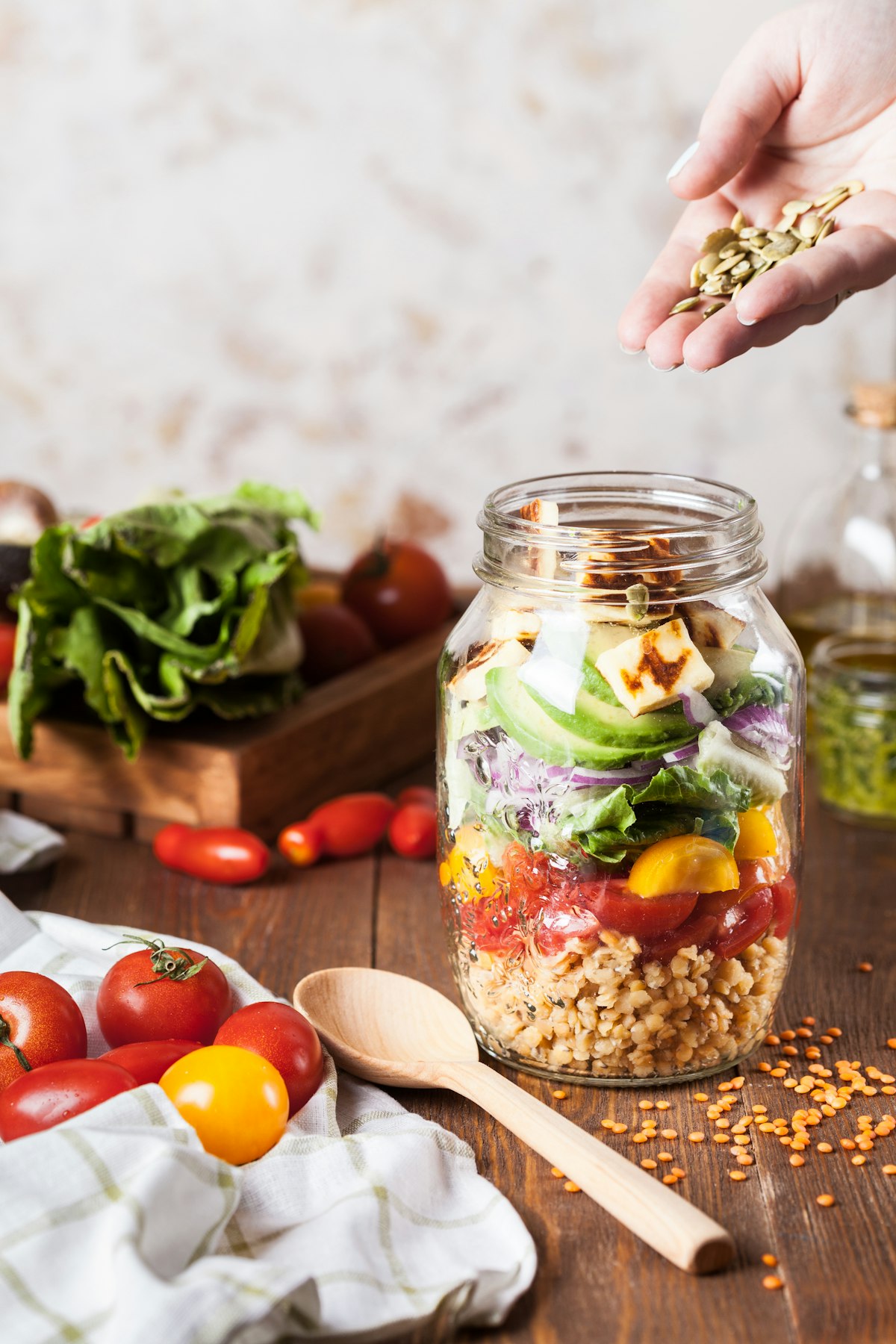
- Increase dietary fibre: Target 25-30g daily. Sources: vegetables, legumes (lentils, chickpeas), nuts, seeds, oats. Fibre is the prebiotic substrate that beneficial bacteria require to produce SCFAs.
- Include fermented foods: Tempeh (Malaysia’s own excellent probiotic food), yoghurt with live cultures, kefir, kimchi — daily consumption measurably increases Lactobacillus and Bifidobacterium populations
- Reduce refined carbohydrates and sugar: Pathogenic bacteria thrive on glucose; beneficial bacteria prefer complex carbohydrates and fibre
- Probiotic supplementation: Look for multi-strain products with Lactobacillus acidophilus, L. rhamnosus, and Bifidobacterium longum. Evidence supports use in acne, rosacea, and general skin quality improvement
- Omega-3 fatty acids: Reduce gut inflammation and support intestinal barrier integrity
- Reduce unnecessary antibiotic use: Discuss with your doctor whether antibiotics are genuinely needed — one course can disrupt microbiome diversity for up to a year
Clinical Skin Treatments That Complement Gut Health Improvement
Frequently Asked Questions
The Gut-Brain-Skin Axis: Why Stress Worsens Both Gut and Skin Simultaneously
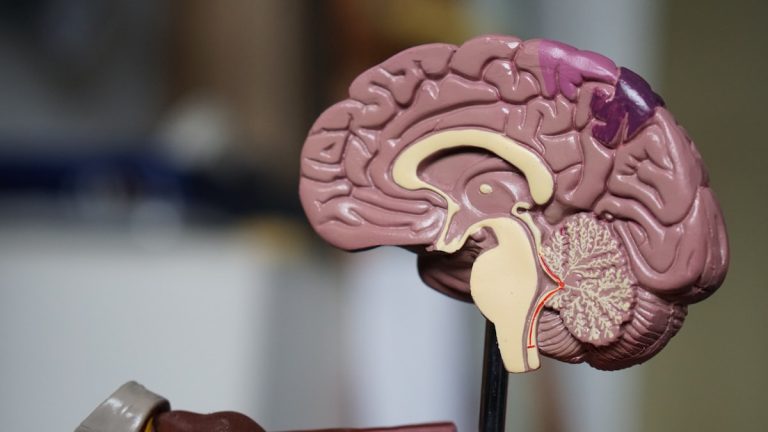
The gut-skin axis is actually a gut-brain-skin triad — the brain is an active third participant. Psychological stress directly alters gut microbiome composition within days through stress hormone effects on gut motility, mucus secretion, and immune function in the intestinal lining. The vagus nerve — the highway between brain and gut — transmits stress signals bidirectionally: the brain sends stress signals to the gut, and an inflamed or dysbiotic gut sends inflammatory signals back to the brain.
The stress-gut pathway explains several commonly observed clinical patterns: inflammatory bowel disease flares during periods of high psychological stress; acne breakouts during exam periods in students; rosacea flares associated with anxiety. In each case, the mechanism involves stress-driven gut dysbiosis or increased gut permeability, which generates systemic inflammatory signals that manifest in the skin.
This tri-directional relationship means that an intervention at any point can produce benefits throughout. Improving gut health reduces inflammatory skin symptoms. Reducing psychological stress improves both gut microbiome diversity and skin inflammation. Treating inflammatory skin conditions can reduce the psychological distress that feeds back into gut-dysbiosis-promoting stress hormones. Treatment that addresses all three levels simultaneously produces the most robust and durable results.
Dietary Interventions With the Best Evidence for Acne and Skin Quality
For acne specifically — one of the skin conditions most strongly linked to gut health — the dietary interventions with the best clinical evidence include:
- Low-glycaemic diet: Randomised controlled trials have consistently shown that reducing dietary glycaemic load reduces acne lesion counts. The mechanism involves reduced insulin and IGF-1 (which stimulate sebaceous glands and keratinocyte proliferation) alongside gut microbiome improvements from reduced refined sugar.
- Dairy reduction (especially skim milk): Multiple large cohort studies show association between skim milk consumption and acne. Skim milk has a paradoxically higher insulin and IGF-1 stimulating effect than whole milk — and the whey proteins in milk have acnegenic effects through IGF-1 pathways.
- Omega-3 supplementation: Fish oil (EPA+DHA) reduces the production of pro-inflammatory prostaglandins that drive sebaceous gland inflammation. Two randomised trials showed meaningful reductions in inflammatory acne with 2g EPA+DHA daily.
- Increased dietary fibre: Feeds beneficial bacteria that produce anti-inflammatory SCFAs. Most Malaysians consume approximately 10–15g fibre daily versus the recommended 25–30g — the gap is substantial.
Probiotic Supplementation: What the Evidence Actually Shows
Probiotic evidence for skin conditions has grown substantially in the past decade. For inflammatory acne, a meta-analysis of 7 randomised controlled trials found that oral probiotics (primarily L. acidophilus, L. rhamnosus, and Bifidobacterium longum) significantly reduced inflammatory lesion counts compared to placebo. The effect was modest but consistent — probiotics work as an adjunct to, not a replacement for, clinical treatment.
For rosacea, the connection to gut health is particularly compelling. Studies show that rosacea patients have higher rates of small intestinal bacterial overgrowth (SIBO) and H. pylori infection. Several clinical reports describe significant rosacea improvement following antibiotic treatment of SIBO — not topical or systemic rosacea treatment, but gut-directed antibiotic therapy. This strongly suggests that for a subset of rosacea patients, the primary driver is gut-derived, and gut-focused treatment produces better results than skin-focused treatment alone.
At Vivardi Clinics, patients presenting with persistent inflammatory acne or rosacea are assessed for dietary patterns, gut health indicators, and stress levels alongside their skin condition — because in many cases, the most effective treatment addresses what is happening systemically rather than solely at the skin surface.

Medically reviewed by Dr. Dinesh Kumar, Medical Director, Vivardi Clinics. MBBS (AIMST), LCP-Certified Aesthetic Physician, Cert. Men’s Health. Last reviewed October 2026.
Care at Vivardi is provided by our team of qualified doctors. This page is for general education and does not replace a personal consultation.