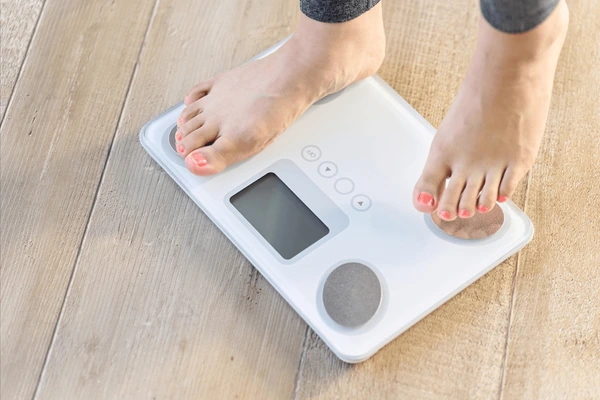
A weight-loss plateau during semaglutide, tirzepatide or another medically prescribed injection does not automatically mean the medicine has failed. Weight changes are not linear. As the body becomes lighter, energy needs fall, appetite can re-emerge and hidden changes in intake, movement, sleep, medication or health can narrow the calorie deficit.
What should happen when weight loss slows?
Confirm that it is a true plateau using several weeks of consistent measurements, then review dose, adherence, injection technique, appetite, food quality, protein, activity, sleep, side effects and medical causes with the prescriber. Do not increase the dose, shorten intervals, combine injections or buy unregistered products. Maintenance of a clinically meaningful loss can itself be a successful outcome.
What counts as a plateau?
A few days without loss is not a plateau. Body weight shifts with hydration, sodium, bowel contents, menstrual cycle, glycogen and inflammation after exercise. A useful definition is a stable trend over several weeks despite continuing the plan.
Weigh under similar conditions, such as morning after using the toilet, and compare weekly averages rather than the lowest single number. Waist circumference, blood pressure, glucose, strength and clothing fit can show progress even when the scale is quiet.
Why weight loss naturally slows
A smaller body generally uses less energy at rest and during movement. The same meal plan that created a large deficit at the beginning may create a small one later. Adaptive changes in appetite and energy expenditure can also oppose further loss.
Early weight loss includes water and glycogen shifts. Later change reflects a different mix of fat and lean tissue and often appears slower. This biology is not a character flaw.
Common reasons for an apparent plateau
| Area | What may have changed | What the clinician reviews |
|---|---|---|
| Measurement | Different scales, times or fluid status | Weekly averages and waist trend |
| Medicine | Missed doses, incorrect device use or unsuitable dose | Prescription, technique and tolerability |
| Food | Portions, liquid calories or grazing increased | Short neutral food record |
| Activity | Less spontaneous movement despite formal exercise | Steps, sitting time and training |
| Sleep and stress | Poor sleep raises hunger and reduces movement | Sleep duration, apnoea and mental health |
| Health | Thyroid disease, medications or fluid retention | History, examination and targeted tests |
Is the dose high enough?
Each medicine has an approved titration schedule, maintenance doses and contraindications. Dose escalation is guided by clinical response and tolerability, not by impatience. Some people respond at lower doses and should not be pushed higher simply because another patient uses the maximum.
Higher dose can increase nausea, vomiting, diarrhoea, constipation and dehydration. Severe side effects can reduce nutrition and activity, undermining quality of weight loss. Only the prescriber should change the plan.
Check injection technique
Confirm storage, device preparation, dose selection, injection site and needle disposal using the product instructions. Do not use medicine that was frozen, overheated, expired or appears abnormal. Rotating sites can reduce local irritation.
If using a branded pen, bring it to the appointment or demonstrate with a trainer device. Compounded or counterfeit products can have concentration errors. Never measure unfamiliar solution in “units” without a prescription specifying concentration.
Could appetite be returning?
Hunger can increase before the next dose, during stress, after sleep loss or as the body adapts. Distinguish stomach hunger from habit, thirst, social eating and restriction-driven cravings. The goal is not zero appetite.
Plan structured meals with protein, vegetables or fruit, fibre and fluids. Extreme fasting may cause fatigue and rebound eating. A dietitian can adapt the plan to Malaysian food without banning rice or cultural meals.
Protein and muscle preservation
Weight loss includes fat and some lean mass. Inadequate protein and no resistance exercise can accelerate loss of muscle and reduce strength. Protein needs depend on body size, kidney function, age and activity, so a clinician or dietitian should individualize the target.
Distribute protein across meals rather than eating almost all at dinner. Eggs, fish, chicken, tofu, tempeh, dairy and legumes can fit. Supplements are optional and may be unsuitable in kidney disease.
Resistance training matters
Progressive resistance exercise gives the body a reason to retain muscle. Begin with major movement patterns two or more times weekly as ability permits, under supervision if deconditioned or medically complex.
Aerobic activity supports cardiovascular health and energy expenditure, but endless cardio without strength training is not the only answer. Track repetitions, loads, walking capacity and daily function.
NEAT: movement outside exercise
Non-exercise activity thermogenesis includes walking, standing, chores and fidgeting. It can fall unconsciously during dieting when fatigue increases. A person may attend the gym yet spend more of the day sitting.
Use step trends rather than rigid targets. Add short walks, standing breaks and practical movement without compensating through exhaustion.
Sleep and obstructive sleep apnoea
Short sleep can increase hunger and reduce impulse control. Snoring, witnessed breathing pauses, morning headache and daytime sleepiness suggest sleep apnoea. Weight loss may improve it, but diagnosis and treatment should not wait.
Set a consistent schedule, reduce late caffeine and discuss insomnia or shift work. Sleep is not a luxury add-on to obesity care.
Constipation can mask progress
Reduced food intake and slowed gastric emptying can contribute to constipation. Several days of retained stool can raise scale weight. Review fibre, fluids, movement and medicines with the prescriber.
Severe abdominal pain, persistent vomiting, marked distension or inability to pass stool or gas needs urgent assessment. Do not take repeated laxatives to force a lower scale number.
Menstrual cycle and water retention
Premenstrual fluid changes can temporarily raise weight. Compare the same cycle phase across months where possible. A stable waist and falling monthly average may show continued progress.
New pregnancy possibility requires prompt discussion because weight-loss medicines are generally not used in pregnancy. Tirzepatide can affect absorption of oral hormonal contraception during initiation and dose escalation according to product labeling, so follow prescriber advice.
Medicines that can influence weight
Some psychiatric medicines, insulin, sulfonylureas, corticosteroids and other drugs can promote appetite, fluid retention or weight gain. Never stop them abruptly. The treating doctors can consider alternatives or adjust the wider plan.
Bring a complete list including injections, contraception, supplements and intermittent steroids. A change months earlier may explain the timing.
Medical conditions to consider
Hypothyroidism, Cushing syndrome, PCOS, menopause, depression, sleep apnoea and fluid-retaining heart, kidney or liver conditions can affect weight or symptoms. Testing should be targeted to history and examination rather than ordering every hormone.
Rapid swelling, breathlessness, chest pain or one-sided leg swelling is not a routine plateau and needs urgent care.
Are calories too low?
Very low intake can cause fatigue, nutrient deficiency, hair shedding and muscle loss. It may reduce spontaneous movement and make adherence unsustainable. More restriction is not always the solution.
A clinician should review nausea, food aversion and vomiting. The plan must provide adequate protein, micronutrients and hydration while preserving a manageable deficit.
Liquid calories and small extras
Sweet drinks, alcohol, specialty coffee, sauces, cooking oil and repeated bites can add energy without much fullness. This is not a reason for shame. A three-to-seven-day record can reveal patterns.
Do not track forever if it worsens disordered eating. Use the information to make one or two changes, such as water in place of a sweet drink or measured oil.
Could this be a successful maintenance phase?
If weight, waist and metabolic markers remain improved, stability may be valuable. Obesity is chronic, and preventing regain can require continuing treatment. Constant loss is neither possible nor always medically desirable.
Review the original goal, health benefits and body composition. A lower number is not the only endpoint.
When to seek urgent medical care
Get urgent help for severe persistent abdominal pain, repeated vomiting, signs of dehydration, jaundice, allergic swelling, breathing difficulty, severe constipation with distension, sudden visual symptoms or thoughts of self-harm. Do not explain serious symptoms as “the injection working.”
What doctors review at a plateau appointment
- Weight and waist trend over at least several weeks
- Exact medicine, dose, dates and device technique
- Side effects and hydration
- Hunger pattern and dietary adequacy
- Protein and fibre intake
- Strength, steps and sedentary time
- Sleep and mental health
- Other medicines and health conditions
- Laboratory tests if clinically indicated
- Whether maintenance is the current goal
A four-week plateau reset
Week 1: measure accurately
Use a consistent scale, record waist once and note dose timing, cycle and constipation.
Week 2: protect nutrition
Build structured meals with protein and fibre and correct dehydration or side effects.
Week 3: restore movement
Add resistance sessions and practical daily movement at an appropriate level.
Week 4: clinical review
Assess trend and decide whether the prescription, goal or investigation needs change.
What not to do
- Do not double or split doses yourself.
- Do not inject more frequently.
- Do not combine GLP-1 products.
- Do not buy medicine from social media.
- Do not respond with starvation or dehydration.
- Do not ignore weakness or muscle loss.
- Do not stop long-term medicine without a plan.
- Do not compare your week to another person’s highlight.
Is the medicine genuine and stored correctly?
A sudden loss of effect can raise concern about product quality, especially when medicine was bought outside a licensed pharmacy or clinic. Counterfeit pens, incorrect compounded concentrations and broken cold-chain storage can expose patients to ineffective or dangerous doses. Keep the box, batch, expiry and dispensing record.
Do not test a suspected pen by injecting extra. Contact the dispensing clinic or pharmacist and follow manufacturer storage instructions. A genuine product can still appear less dramatic as weight stabilizes, so quality is one part of the review rather than the automatic explanation.
Alcohol and weekend patterns
Weekday restriction followed by weekend alcohol, restaurant meals and grazing can erase a modest weekly deficit. Alcohol adds energy, lowers inhibition and can worsen reflux, nausea or dehydration. Record a complete seven days rather than only “good” days.
The answer is not necessarily permanent abstinence. Choose a limit consistent with health and medicine, alternate with water and avoid drinking to the point that dose timing or food choices become unsafe. People with pancreatitis risk, liver disease or other contraindications need individualized advice.
Stress eating and emotional health
Medication can reduce biological hunger without removing loneliness, grief, boredom or binge-eating triggers. When appetite suppression becomes less intense, old coping patterns may return. This is a treatment signal, not proof that the person lacks willpower.
Screening for binge-eating disorder, depression, anxiety and trauma can direct appropriate therapy. Escalating medicine without addressing recurrent loss-of-control eating may leave the main driver untreated. Thoughts of self-harm or severe mood change require urgent support.
Why food quality matters even when portions are small
Very small meals built mainly from refined snacks can provide too little protein, fibre and micronutrients while still concentrating calories. Start with nutrient-dense foods that are tolerated. Chew slowly and stop before uncomfortable fullness.
Persistent nausea may lead people to rely on biscuits, sweet drinks or soft desserts. A dietitian can design alternatives that are gentle on the stomach while protecting nutrition. Hair shedding, mouth ulcers, dizziness or unusual fatigue may signal inadequate intake.
Hydration without drinking calories
Thirst, constipation and fatigue can be mistaken for hunger or plateau frustration. Sip fluids through the day, especially in hot Malaysian weather. Large volumes with meals may worsen fullness for some patients, so timing can be adjusted.
Electrolyte drinks are not routinely necessary and may contain substantial sugar or sodium. Vomiting or diarrhoea requires clinical guidance. Fluid restriction may apply in heart or kidney disease, so generic water targets are inappropriate.
Body composition versus scale weight
Two people who lose the same kilograms can have different changes in fat, muscle and water. Strength decline, slower walking and difficulty rising from a chair are concerning even if the scale falls. Conversely, beginning resistance training can increase muscle glycogen and water while waist circumference improves.
Bioimpedance devices are influenced by hydration and should be measured under similar conditions. DEXA is more detailed but not required for everyone. Clinical function, waist, photos and exercise performance provide useful context.
Age, menopause and sarcopenia risk
Older adults and people around menopause may have lower muscle mass at baseline. Rapid weight loss without strength training can worsen frailty or bone risk. Their safest target may prioritize function and metabolic health over the fastest possible scale change.
Review falls, bone health, vitamin D, protein and resistance training. Exercise may need physiotherapy supervision. Do not assume an older patient should follow the same calorie target as a younger, larger adult.
Diabetes medicines and low blood glucose
GLP-1-based medicines alone have a lower hypoglycaemia risk than insulin or sulfonylureas, but combination treatment can cause low glucose. Sweating, shaking, confusion or weakness requires action according to the diabetes plan. Reduced intake may necessitate medication review.
Do not withhold insulin to accelerate weight loss. Bring glucose readings or continuous-monitor data to the appointment. Better glycaemic control may alter insulin needs, but changes must be supervised.
When laboratory testing may help
Tests are selected by symptoms and history. Possible assessments include glucose or HbA1c, thyroid function, kidney or liver measures, blood count and nutrient studies when intake is poor. Routine amylase or lipase without symptoms may not answer a plateau question.
Results need clinical interpretation. A borderline thyroid result is not permission to buy thyroid hormone for weight loss, which can cause arrhythmia and bone harm.
Setting the next goal
Choose whether the next twelve weeks aim for further fat loss, maintenance, strength, symptom control or preparation for another treatment. A single plan cannot maximize all outcomes at once. Further loss may be inappropriate if nutrition, gallstone symptoms, muscle weakness or mental health is deteriorating.
Use specific behaviours and health measures alongside weight, such as two resistance sessions, daily protein distribution, improved HbA1c or reduced waist. Review at a defined date rather than making daily dose decisions.
What if the medicine truly gives inadequate response?
After adherence, technique, lifestyle and medical factors are reviewed, the prescriber may decide the benefit is insufficient. Options can include a different approved dose, another medicine, referral, intensive lifestyle support or bariatric-surgery assessment. The choice depends on BMI, comorbidities, contraindications, availability and preference.
Switching requires a safe schedule. Do not overlap medicines or use leftover pens during the transition. A medicine that helped blood glucose or prevented regain may still offer benefit despite slower loss.
Questions to bring to the appointment
- Is this a true plateau or normal fluctuation?
- What percentage of starting weight have I lost?
- Are health markers improving?
- Is my current dose an approved maintenance dose?
- Could side effects be reducing nutrition or movement?
- Do any medicines promote gain?
- Am I losing strength or lean mass?
- Which tests are actually indicated?
- Should the goal now be maintenance?
- What criteria would justify changing treatment?
Frequently asked questions
How long without loss counts as a plateau?
Usually several weeks of a stable trend, not a few days. Confirm with consistent measurements.
Does a plateau mean the medicine stopped working?
No. Lower energy needs, adaptation, measurement and behaviour can all contribute.
Should I increase the dose?
Only the prescriber should adjust it based on approved dosing, response and side effects.
Can constipation hide weight loss?
Yes, temporarily. Treat it safely and seek help for severe pain, vomiting or distension.
Should I eat less?
Not automatically. First check nutritional adequacy, protein, hidden calories and activity.
Is strength training necessary?
It is strongly useful for preserving muscle and function during weight loss.
Can I combine semaglutide and tirzepatide?
Do not combine weight-loss injections unless an authorized specialist explicitly directs a regimen.
Could my period affect the scale?
Yes. Fluid retention can temporarily change weight. Compare longer trends.
Is maintaining weight a failure?
No. Maintaining a meaningful loss and health improvements can be a successful phase.
When should blood tests be done?
When history, symptoms or medicines indicate them. There is no universal plateau panel.
Medical references
Related Vivardi care
Explore doctor-led information about tirzepatide weight-loss treatment, semaglutide weight-loss treatment and other clinical services.
Review the plateau, not just the dose
Bring your weight trend, dose dates, side effects and food or activity notes for a structured review.
Medically reviewed by Dr. Dinesh Kumar. This article is general education and does not replace individualized prescribing or emergency care.