

Stubborn fat is a common concern for many people, even those who maintain a healthy diet and exercise regularly. Areas such as the double chin, abdomen, flanks, arms, and thighs often resist lifestyle changes due to genetic fat distribution and metabolic factors. When diet and workouts fail, medical fat reduction treatments like Aqualyx fat melting injections and liposuction are often considered.
While both aim to reduce unwanted fat, they differ significantly in how they work, who they are suitable for, and the level of medical intervention involved. Understanding these differences is essential before choosing the right option.
Understanding Stubborn Fat and Why It Is Hard to Remove
Fat cells do not all behave the same way. Certain fat deposits are hormonally resistant, meaning they do not respond well to calorie deficit or physical activity. This is why some people remain slim overall but still struggle with localised fat pockets.
Medical fat reduction treatments are designed to address these resistant fat cells directly, but the method of treatment matters.
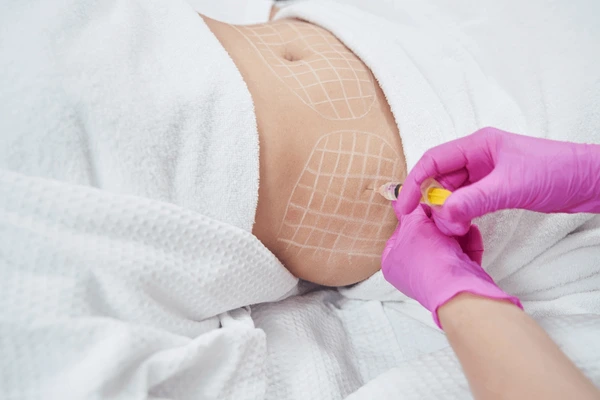
What Is Aqualyx Fat Melting Injection?
Aqualyx is a non surgical injectable treatment used for localised fat reduction. It contains deoxycholic acid, a substance naturally produced by the body to break down dietary fat.
When injected into targeted fat layers, Aqualyx disrupts fat cell membranes, causing the fat cells to break down permanently. The released fat is then metabolised and eliminated naturally through the body’s lymphatic and liver systems.
You can learn more about this treatment here:
https://vivardiclinics.com/aqualyx-fat-melting-injections-in-malaysia/
Key Characteristics of Aqualyx
- Non surgical and minimally invasive
- No general anaesthesia required
- Targets small, localised fat pockets
- Fat cells destroyed permanently
- Gradual results over several weeks
- Minimal downtime
Aqualyx is commonly used for areas such as the double chin, lower abdomen, flanks, upper arms, inner thighs, and bra bulge.
What Is Liposuction?
Liposuction is a surgical procedure that physically removes fat cells from the body using suction cannulas. It is typically performed in an operating theatre under general or regional anaesthesia.
Unlike injectable fat reduction, liposuction removes a larger volume of fat in a single procedure and is often chosen for more extensive fat deposits.
According to the American Society of Plastic Surgeons, liposuction is one of the most commonly performed cosmetic surgical procedures worldwide:
https://www.plasticsurgery.org/cosmetic-procedures/liposuction
Key Characteristics of Liposuction
- Surgical procedure
- Requires anaesthesia
- Immediate and significant fat removal
- Longer recovery time
- Higher cost and medical risk
- May require hospitalisation
Aqualyx vs Liposuction: Detailed Comparison
Level of Invasiveness
Aqualyx is non surgical and involves only fine needle injections. Liposuction requires surgical incisions, tissue disruption, and suction of fat.
If you prefer to avoid surgery, Aqualyx is the less invasive option.
Recovery Time and Downtime
Aqualyx typically involves mild swelling, tenderness, or firmness for a few days. Most people return to work within 24 to 48 hours.
Liposuction recovery can take several weeks, with bruising, swelling, compression garments, and activity restrictions.
Amount of Fat Reduction
Liposuction removes larger volumes of fat in one session. Aqualyx is designed for smaller, precise fat pockets and usually requires multiple sessions.
Aqualyx is not a weight loss treatment. Liposuction also is not a solution for obesity but can remove more fat at once.
Safety Profile
Aqualyx, when performed by a licensed medical practitioner, has a strong safety profile for suitable candidates. Side effects are generally temporary and localised.
Liposuction carries higher medical risks such as infection, bleeding, fluid imbalance, and anaesthesia related complications. These risks increase when performed outside proper medical settings.
Cost Considerations
Aqualyx treatments are usually more affordable per session, though multiple sessions may be needed.
Liposuction has a higher upfront cost due to surgical fees, operating theatre charges, anaesthesia, and post operative care.
Natural Body Contour and Skin Response
Aqualyx allows gradual fat reduction, which can result in a more natural contour change over time. Liposuction produces immediate changes but may result in contour irregularities if not performed carefully.
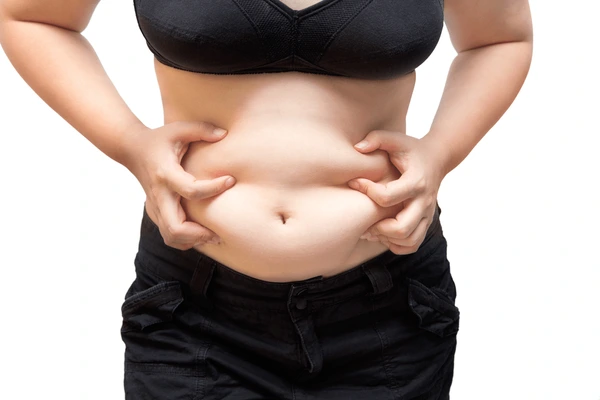
Who Is a Good Candidate for Aqualyx?
Aqualyx is suitable for individuals who:
- Are close to their ideal body weight
- Have small, stubborn fat pockets
- Prefer non surgical treatments
- Can commit to multiple sessions
- Want minimal downtime
It is commonly chosen for double chin reduction and body contour refinement.
Who Is a Better Candidate for Liposuction?
Liposuction may be considered for individuals who:
- Have larger volumes of fat
- Are medically fit for surgery
- Accept longer recovery time
- Understand surgical risks
- Seek immediate fat reduction
Can Aqualyx and Liposuction Be Combined?
In some cases, patients who have undergone liposuction may still have residual or uneven fat deposits. Non surgical fat melting injections can be used later to refine and smooth specific areas. This should only be done under proper medical guidance.
Making the Right Choice for Your Body
Choosing between Aqualyx and liposuction should never be based on marketing alone. A proper medical consultation is essential to assess:
- Fat distribution
- Skin quality
- Overall health
- Lifestyle and expectations
At a medical clinic, a personalised treatment plan ensures safety and realistic outcomes.
Final Thoughts
Aqualyx and liposuction serve different purposes. Aqualyx is ideal for targeted, non surgical fat reduction with minimal downtime. Liposuction is a surgical option for larger fat removal with longer recovery.
Understanding your goals, tolerance for downtime, and medical suitability will determine which option is right for you. Consulting a licensed medical practitioner ensures that fat reduction is approached safely and effectively.

Medically reviewed by Dr. Dinesh Kumar, Medical Director, Vivardi Clinics. MBBS (AIMST), LCP-Certified Aesthetic Physician, Cert. Men’s Health. Last reviewed September 2026.
Care at Vivardi is provided by our team of qualified doctors. This page is for general education and does not replace a personal consultation.



One Comment
Comments are closed.