

Circumcision using ZSR stapler
“Circumcision- First or Second for Me”
Circumcision is known as the removal of the foreskin from the penis using surgical method either by traditional method, laser method or ZSR stapler.Babies who are designated as male at birth (AMAB) frequently have circumcisions soon after birth. A lot of newborns are circumcised in their first week of life.
Earlier this decade, circumcision staplers—disposable medical devices—were introduced as a quick, safe, and effective way to remove the prepuce. In recent years, their use has grown in popularity. These devices use tiny metal clips to precisely cut as they close the wound.
| First Generation of Circumcision | Second Generation of Circumcision |
|
|
|
|
|
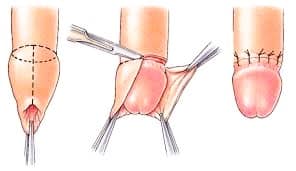
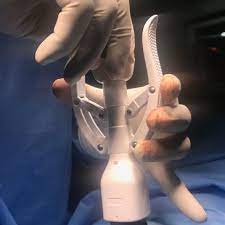
Procedure of Gen I and Gen II:
Gen I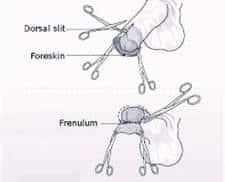
- Simple, non-sterile tools like a knife or razor were used, typically by a tribal elder or religious leader.
- The procedure was performed without anesthesia, making it painful and quick, often during a community or religious ritual.
- Traditional remedies such as herbs or oils were applied to the wound, with minimal formal medical care for healing.
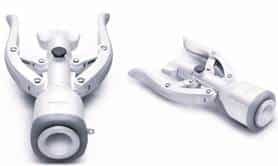 Gen II
- Greater precision and safety are ensured by the use of modern surgical instruments and sterile environments using ZSR Stapler.
- Usually, anesthesia is used to reduce pain and discomfort while the procedure is being done.
- Proper medical follow-up and prescription medication can lower the risk of infection and expedite the healing process.
Who need Circumcision:
Redundant Foreskin
Cases where the penis’s long foreskin covers the gland even when the man is erotic.
Balanitis and Balanoposthitis
The medical term for the infection over the penile gland is BALANITIS. This condition, called BALANOPOSTHITIS, occurs when an infection affects both the gland and the foreskin.
Phimosis
The foreskin’s diagnosis is that it is excessively taut, making it impossible for it to retract or pull back.
Benefit of Gen II (ZSR Stapler)
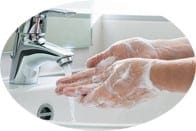
Improve your hygiene
ZSR stapler circumcision can improve personal hygiene by facilitating easier cleaning and reducing the accumulation of bacteria in the genital area.
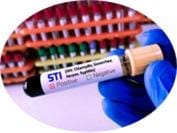 Reduced the risk of getting STD/STI
ZSR stapler circumcision can reduce the risk of STDs/STIs by removing the foreskin, which is associated with higher rates of infections, thereby promoting a cleaner and less hospitable environment for pathogens.
 Reduced the risk of getting Urinary Tract Infection (UTI)
ZSR stapler circumcision can reduce the risk of urinary tract infections (UTIs) by eliminating the foreskin, which can harbour bacteria and contribute to infections.
Reduced the risk of penile cancer
ZSR stapler circumcision can reduce the risk of penile cancer by removing the foreskin, which is linked to higher incidence rates of this type of cancer.
Reduced pain during sex
ZSR stapler circumcision can reduce pain during sex by eliminating sensitivity associated with the foreskin, leading to a more comfortable experience for some individuals.
FAQ Questions:
How long will the circumcision takes?
It usually takes about 30 minutes up to 50 minutes depending on the complexity and types of method being used but with our latest technique using ZSR stapler Gen 2.0 usually the procedure takes just 15 minutes to complete.
Can adults undergo second generation circumcision?
Yes, this procedure can be performed at any age which is the most effective, safest with quick recovery.
How is the wound treated post-surgery?
Bandage will be applied around penis and kept for 3 days which then the doctor will review again to open during the third day inspection. If the wound is fine, you may continue leave it open and apply the antibiotic ointment and medications as prescribed.
Limit physical activity by avoiding strenuous activities and sports until fully healed.

Medically reviewed by Dr. Dinesh Kumar, Medical Director, Vivardi Clinics. MBBS (AIMST), LCP-Certified Aesthetic Physician, Cert. Men’s Health. Last reviewed May 2025.
Care at Vivardi is provided by our team of qualified doctors. This page is for general education and does not replace a personal consultation.