With so many clinics offering aesthetic treatments, it can be hard to know which ones are safe and properly licensed. Making the right choice protects your health and your results. At Vivardi Clinics in Rawang, Selangor, we believe patients deserve clear information, so here is how to tell whether an aesthetic clinic in Malaysia is safe and trustworthy.
Look for doctor-led care
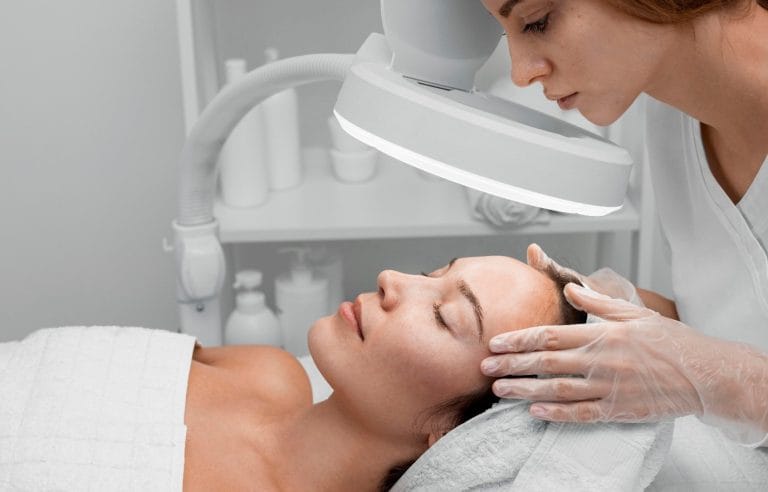
One of the most important signs of a safe clinic is that treatments are performed or supervised by qualified doctors, not non-medical staff. Many aesthetic treatments are medical procedures, and they carry real risks if done incorrectly. A doctor can assess your suitability, perform treatment safely, and manage any concerns.
Check for proper certification
In Malaysia, doctors performing aesthetic procedures should hold the relevant certification, such as the LCP credential for aesthetic practice. A reputable clinic is transparent about its doctors’ qualifications. If you cannot find clear information about who is treating you and their credentials, treat that as a warning sign.
Signs of a trustworthy clinic
Honest consultations
A good clinic assesses you properly and recommends only what genuinely helps, rather than pushing packages.
Clean, professional setting
Hygiene and a proper clinical environment matter for safety.
Genuine products and clear pricing
Reputable clinics use authentic products and explain costs clearly, with no pressure.
Privacy and records
Your information should be kept confidential, in line with Malaysia’s PDPA.
Questions worth asking
Before any treatment, it is reasonable to ask who will perform it, what their qualifications are, what product is being used, and what the risks and aftercare involve. A trustworthy clinic will answer openly. You can learn about our team and approach on our about us page.
Why it matters
Choosing a safe, licensed clinic reduces the risk of complications and gives you better, more natural results. It is always worth prioritising safety over the cheapest option. Explore our doctor-led treatments on the aesthetic treatments page.
Frequently asked questions
Why does doctor-led care matter?
Aesthetic treatments are medical procedures. A doctor ensures they are suitable and performed safely.
How do I check qualifications?
Ask the clinic directly. A reputable clinic is happy to share its doctors’ credentials.
Choose safe, doctor-led care
Message us on WhatsApp or visit our contact page in Rawang.

Medically reviewed by Dr. Dinesh Kumar, Medical Director, Vivardi Clinics. MBBS (AIMST), LCP-Certified Aesthetic Physician, Cert. Men’s Health. Last reviewed September 2026.
Care at Vivardi is provided by our team of qualified doctors. This page is for general education and does not replace a personal consultation.