Pico Laser · Pigmentation · Rawang Selangor
Dark underarms are one of the most common aesthetic concerns in Malaysia — driven by our climate, shaving habits, and skin melanocyte reactivity. Pico laser addresses the biology, not just the surface.
Dr. Dinesh Kumar · LCP-Certified Physician
📅 May 2026 | Vivardi Clinics, Rawang
Underarm darkening is so common in Malaysia that many people assume it is simply a cosmetic fact of life. It is not. Dark underarms have specific biological causes, and once those causes are understood, the right treatment becomes clear. Pico laser has emerged as the most effective clinical approach for underarm pigmentation — particularly for Malaysian skin tones that respond poorly to older laser technologies.
Why Underarms Darken: The Biology
Underarm skin is unique in several ways that make it particularly prone to pigmentation:
- Constant friction: The underarm is in continuous contact with the arm and clothing. This low-grade, chronic friction triggers a melanocyte response — cells produce melanin as a protective response to mechanical stress, exactly as they do in response to UV. The result is progressive post-inflammatory hyperpigmentation (PIH).
- Shaving trauma: Regular shaving causes micro-abrasions in the delicate underarm skin. Each shaving session is a small inflammatory event. Repeated hundreds of times, this accumulates into visible darkening over months and years. Waxing can cause similar PIH in sensitive skin.
- Chemical irritation from deodorants: Aluminium compounds in antiperspirants and fragrance in deodorants can cause contact dermatitis — a subtle inflammatory response that triggers melanin production without obvious symptoms.
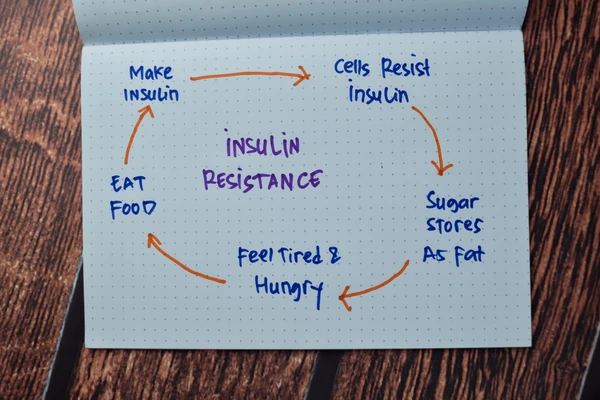
- Acanthosis nigricans: A specific form of darkening associated with insulin resistance and obesity. The skin thickens and darkens in skin fold areas including underarms, neck creases, and groin. This type of darkening does not respond to laser alone — the underlying metabolic issue must be addressed.
- Hormonal factors: Pregnancy, oral contraceptives, and certain hormonal medications increase melanocyte sensitivity, making underarm PIH more pronounced during these periods.
Why Malaysian Skin Is Particularly Prone to Underarm Darkening
Fitzpatrick skin types III-V — which includes most Malaysians of Malay, Chinese, and Indian descent — have melanocytes that are constitutionally more reactive to inflammatory stimuli. This means any repetitive low-grade irritation (friction, shaving, chemical exposure) triggers a proportionally stronger melanin response compared to lighter skin tones.
Add to this Malaysia’s year-round humidity and heat — which increases sweating, bacterial colonisation, and deodorant dependence — and the combination creates ideal conditions for progressive underarm pigmentation. It is not poor hygiene; it is skin biology in a tropical climate.
How Pico Laser Treats Underarm Pigmentation
Pico laser uses ultra-short pulse durations (picoseconds — one trillionth of a second) to target melanin in the skin. The mechanism is photoacoustic rather than photothermal:
- The laser pulse is absorbed by melanin granules in the treated area.
- The ultra-short pulse creates a photoacoustic pressure wave that shatters melanin granules into tiny fragments — without generating significant heat.
- The fragmented melanin particles are small enough to be cleared by the lymphatic system and skin macrophages over the following 4-6 weeks.
- The treated skin gradually lightens as cleared melanin is not replaced (as long as the triggering inflammation is controlled).
The critical advantage for Malaysian skin: because Pico laser works photoacoustically rather than through heat, it does not trigger the thermal inflammation that causes older laser technologies to produce post-inflammatory hyperpigmentation on darker skin. This makes it significantly safer and more effective for Fitzpatrick III-V skin.
Pico vs Q-Switched Laser for Dark Skin
Older Q-switched Nd:YAG lasers used longer pulse durations that generated more heat. On darker skin, this thermal effect would stimulate melanocytes and often cause PIH — the treatment made pigmentation worse. Pico laser with its 1,000x shorter pulses eliminates most of this risk, making it the current gold standard for pigmentation treatment on Asian skin.
What to Expect: Session by Session
Before Your Pico Laser Session: Preparation
- Stop shaving 3-5 days before: Hair stubble in the treatment area actually helps the laser target the follicular area where pigmentation often concentrates. Do not wax for at least 2 weeks before.
- No deodorant on treatment day: Come to your session with clean, bare underarm skin.
- Avoid sun exposure: The underarm is not typically sun-exposed, but if you swim or spend time outdoors with clothing that exposes the area, protect it for 2 weeks before treatment.
- No active irritants: Stop retinol and AHA products on the underarm area for 1 week before.
- Hydrate well: Well-hydrated skin responds better to laser treatment.
After Treatment: Aftercare That Protects Your Results
- Avoid shaving for 5-7 days post-treatment. The skin needs time to recover. Switch to an electric trimmer (less abrasive) if needed during the healing period.
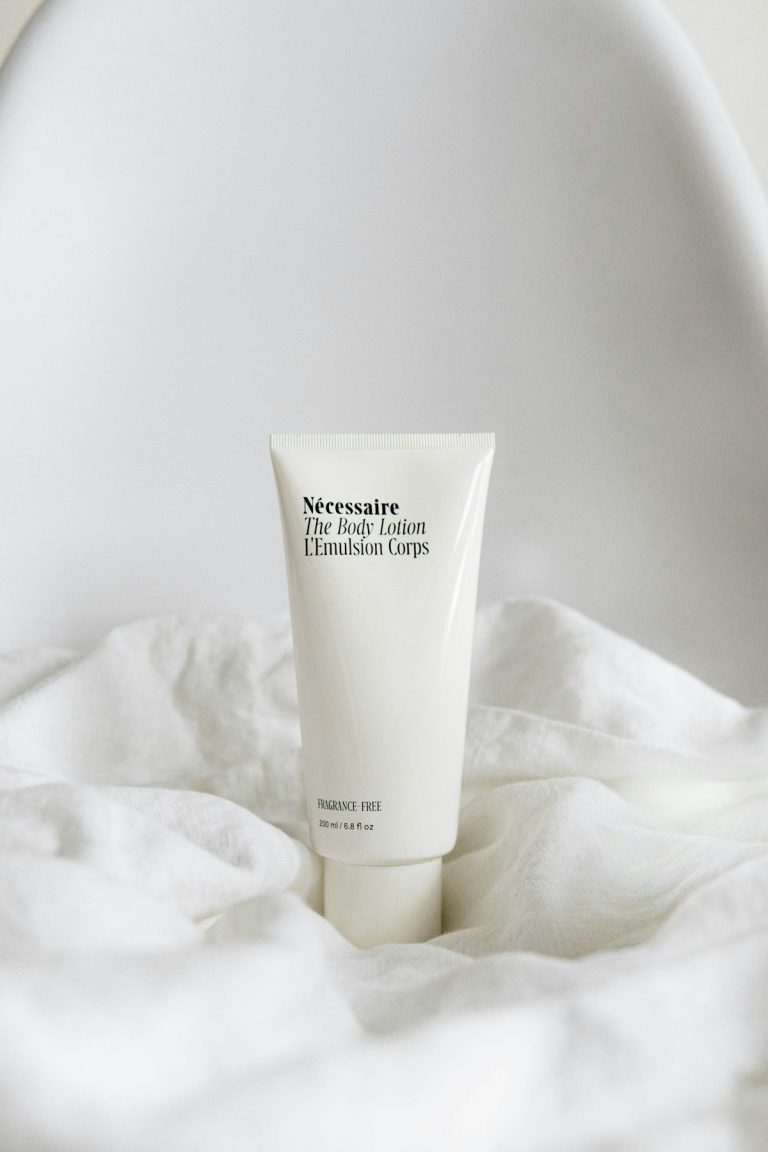
- Switch to a fragrance-free, aluminium-free deodorant. Even after full recovery, switching deodorants reduces ongoing chemical irritation that causes re-darkening.
- Apply a soothing, non-irritating moisturiser post-treatment. Aloe vera gel or a basic ceramide cream reduces post-treatment dryness and supports recovery.
- Consider your shaving technique. Switching to shaving with the grain (rather than against it) and using a fresh, sharp blade each time dramatically reduces the micro-abrasion trauma that causes PIH.
- Long-term SPF. The underarm is usually covered, but for those who regularly expose it (swimwear, tank tops), SPF reduces UV contribution to melanocyte activity.
“The most common reason underarm lightening results do not last is that patients do not change the habits that caused the darkening in the first place. Laser clears the melanin. But if the friction, shaving trauma, and chemical irritation continue unchanged, the melanocytes will simply produce more. We treat both the skin and the habits.”
Dr. Dinesh Kumar, MBBS, LCP-Certified — Vivardi Clinics Rawang
Is Your Underarm Darkness PIH or Acanthosis Nigricans?
This distinction matters because it changes the treatment approach:
When to Suspect Acanthosis Nigricans
If your underarm skin has a velvety, thickened texture (not just darkened), and the darkening also appears on the back of the neck, groin, or other skin fold areas, it may be acanthosis nigricans associated with insulin resistance. This warrants a blood sugar and insulin panel to rule out pre-diabetes or type 2 diabetes. Laser treatment alone will not produce lasting results without addressing the metabolic root cause.
The primary treatment for underarm PIH at Vivardi Clinics. Safe for Fitzpatrick III-V Malaysian skin tones. Typically 6-8 sessions spaced 4-6 weeks apart for optimal results.
Mild glycolic or lactic acid peels between Pico laser sessions accelerate melanin clearance and improve overall skin texture. Used as a complement, not a replacement, for Pico laser in underarm pigmentation.
Metabolic Assessment
For suspected acanthosis nigricans, a fasting blood glucose and insulin panel identifies whether metabolic factors are driving the pigmentation. Available as part of a comprehensive health assessment at Vivardi Clinics.
Deodorant and Habit Review
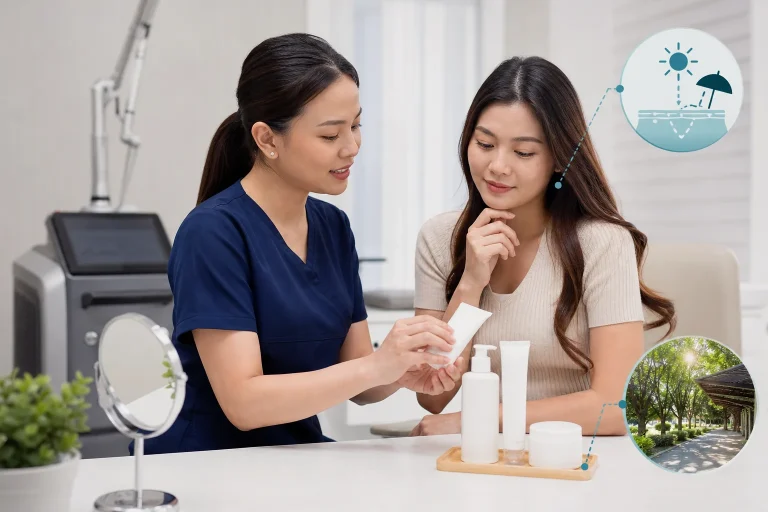
Our consultation includes a review of current shaving and deodorant habits with specific recommendations for alternatives that reduce the ongoing inflammatory triggers that cause re-darkening.
Frequently Asked Questions
Frequently Asked Questions
Pigmentation Consultation · Rawang, Selangor
Dark Underarms Have a Clear Biological Solution
Book a consultation with Dr. Dinesh for an assessment of your underarm pigmentation type and a Pico laser treatment plan tailored to your skin tone and pigmentation pattern.

Medically reviewed by Dr. Dinesh Kumar, Medical Director, Vivardi Clinics. MBBS (AIMST), LCP-Certified Aesthetic Physician, Cert. Men’s Health. Last reviewed October 2026.
Care at Vivardi is provided by our team of qualified doctors. This page is for general education and does not replace a personal consultation.