

Benefits and Risks of Pico Treatment
Pico treatment is a cutting-edge laser therapy gaining popularity in skin care. It offers a non-invasive solution for various skin concerns.
This treatment uses ultra-short picosecond laser pulses. These pulses target skin imperfections with precision.
Pico laser treatment is known for minimal downtime. It also has a reduced risk of side effects compared to traditional lasers.
The procedure is versatile, effective for different skin types and tones. It addresses issues like acne scars, sun damage, and pigmentation.
Sessions are quick, usually lasting between 15 to 30 minutes. Multiple sessions may be needed for optimal results.
The cost of pico laser treatment varies. Factors include the size of the area treated and the number of sessions.
Common side effects are temporary redness and swelling. These typically resolve within a few days.
Pico treatment is safe when performed by a qualified practitioner. It is FDA-approved for various dermatological applications.
What Is Pico Treatment?
Pico treatment is an advanced laser therapy in the field of dermatology. It addresses skin issues with precision using picosecond technology.
This non-invasive treatment is celebrated for its efficiency. By emitting ultra-short pulses, it breaks down skin imperfections.
The primary uses include skin rejuvenation, pigmentation correction, and tattoo removal. Its versatility makes it suitable for various concerns.
Pico treatment operates with minimal heat, significantly less than older lasers. This reduces the chance of skin damage and speeds up recovery.
Key Features of Pico Treatment:
- Uses ultra-short picosecond pulses
- Targets specific skin conditions with minimal heat
- Ideal for various skin tones and types
- Treats multiple conditions like scars and sun damage
Moreover, pico treatment is known for its safety profile. When performed by experienced professionals, it lowers the risk of complications.
It is also a popular choice due to the convenience it offers. Quick sessions and minimal recovery time fit busy lifestyles well.
For individuals considering advanced skin therapies, pico treatment presents an appealing option. Its high precision and efficacy make it a top choice.
A consultation with a licensed dermatologist is crucial. They determine if pico treatment suits your specific skin needs.
How Does Pico Laser Technology Work?
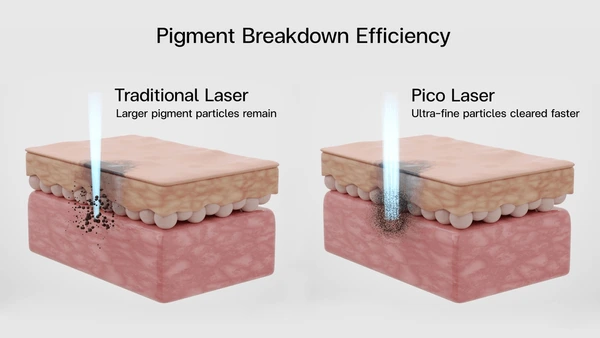
Pico laser technology uses picosecond pulses to target skin imperfections. These pulses are billionths of a second, making them extremely fast.
The rapid pulses create pressure waves in the skin. This breaks down pigment without harming surrounding tissues. It’s a precise way to treat various issues.
The technology works by converting laser energy into gentle pressure. This shatters the problematic pigments in a safe manner.
Unlike traditional lasers, pico lasers require less heat. The reduced heat means less discomfort and quicker healing times.
Key Points of Pico Laser Technology:
- Picosecond pulses for precise targeting
- Minimal heat and reduced discomfort
- Pressure waves break down pigments effectively
- Versatile use for different skin conditions
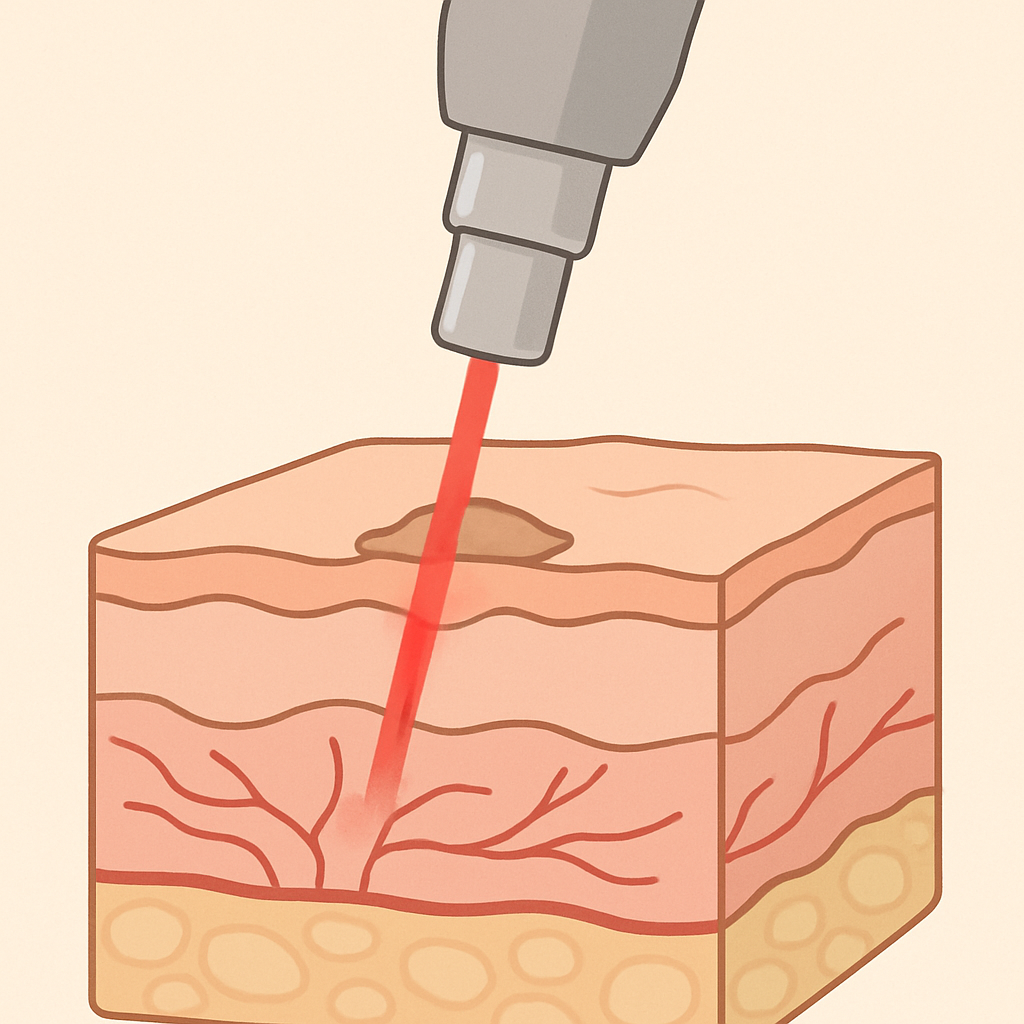
The energy from pico lasers stimulates collagen production. This promotes skin regeneration, leading to improved skin texture.
Because of its precision, pico laser technology suits many skin types and tones. The safety and versatility make it appealing for a broad audience.
Understanding how pico technology works can help you decide if it meets your dermatological needs. Consulting a specialist can provide personalized guidance.
Common Uses of Pico Laser Treatment
Pico laser treatment addresses various skin concerns. It’s a versatile option for those seeking to improve their skin’s appearance.
The treatment’s precision makes it ideal for numerous applications. These applications include skin rejuvenation, pigmentation issues, and tattoo removal.
Skin rejuvenation involves enhancing the skin’s overall look. It targets fine lines, wrinkles, and other signs of aging, making your skin smoother and more youthful.
Pigmentation correction deals with uneven skin tones. Conditions like sunspots, age spots, and melasma can be significantly improved with this treatment.
Tattoo removal is one of the popular uses of pico lasers. Unwanted tattoos can be lightened or removed more efficiently than with older methods.
A few other common uses include:
- Acne scar reduction
- Sun damage repair
- Birthmark fading
by Sam Moghadam (https://unsplash.com/@sammoghadam)
Pico laser treatment is fast and non-invasive. Sessions generally last only 15 to 30 minutes, depending on the treated area.
Most patients need multiple sessions for optimal outcomes. A dermatologist will recommend a tailored plan based on your goals.
by engin akyurt (https://unsplash.com/@enginakyurt)
The technology’s efficiency makes it a top choice for many. Whether for aesthetic or corrective purposes, pico treatment offers tangible results.
Skin Rejuvenation
Pico laser therapy excels at rejuvenating tired, aging skin. It effectively addresses fine lines and wrinkles, smoothing the texture.
The treatment stimulates collagen production. This natural process refreshes the skin, giving it a youthful, vibrant look.
by Ramin Azami (https://unsplash.com/@raminazami)
The quick and painless sessions are an added benefit. Patients experience little to no downtime, making this an attractive option.
Pigmentation Correction
Pico treatment targets pigmentation disorders like sunspots and melasma. The rapid laser pulses break down pigment clusters effectively.
This precise targeting minimizes harm to surrounding skin. As a result, the uneven tones fade, revealing a clearer complexion.
by Zdeněk Macháček (https://unsplash.com/@zmachacek)
Such treatments improve confidence and skin appearance. Many find their skin noticeably brighter and more even after sessions.
Tattoo Removal
Tattoo removal with pico lasers is less painful and more efficient. The picosecond pulses shatter ink particles, allowing your body to absorb them naturally.
The treatment requires fewer sessions compared to traditional lasers. This makes it a cost-effective and time-saving choice.
by Judy Beth Morris (https://unsplash.com/@judy_beth_morris_idaho)
It suits many tattoo colors and sizes, offering flexibility for various needs. Overall, it helps achieve cleaner, ink-free skin.
Benefits of Pico Treatment
Pico treatment offers numerous advantages for those seeking skin improvements. Its non-invasive nature makes it a top choice.
The procedure is remarkably precise. It targets imperfections without damaging surrounding skin tissues. This precision minimizes side effects.
A major benefit is the quick recovery time. Patients can often resume their daily activities immediately after treatment.
Another advantage is its versatility. Pico laser treatment works on various skin types and tones, enhancing its accessibility.
It addresses multiple skin issues, including acne scars, sun damage, and signs of aging. This makes it appealing to a wide audience.
by Mohammad Alizade (https://unsplash.com/@mohamadaz)
Additionally, the sessions are short. Most only last between 15 to 30 minutes, which is convenient for busy individuals.
Patients often experience minimal discomfort. The sensation is usually described as similar to a rubber band snapping against the skin.
by Wilhelm Gunkel (https://unsplash.com/@wilhelmgunkel)
Some notable benefits include:
- Minimal downtime
- Effective on many skin conditions
- Suitable for diverse skin tones
- Fewer risks compared to traditional lasers
Pico treatment can rejuvenate the skin by boosting collagen production. This leads to a firmer, more youthful appearance.
It also offers long-term benefits. Continued improvements can be seen weeks after the sessions as the skin heals and regenerates.
Overall, the combination of efficacy, safety, and convenience makes pico treatment a popular choice. It provides tangible results with fewer appointments.
Ultimately, the treatment’s benefits extend beyond aesthetics. It can enhance self-confidence and comfort in one’s skin, leading to a better quality of life.
Risks and Side Effects of Pico Treatment
Pico treatment is known for its safety profile, but like any procedure, it has potential risks. Understanding these is crucial for making an informed decision.
Common side effects include temporary redness and swelling. These usually subside within a few days post-treatment.
Some patients report mild discomfort during and after the session. This feeling is typically brief and manageable.
Rarely, more serious side effects can occur, such as changes in skin pigmentation. This is more common in people with darker skin tones.
by Thought Catalog (https://unsplash.com/@thoughtcatalog)
Infection, though uncommon, is a possible risk if post-care instructions aren’t followed. Proper hygiene and care minimize this risk.
It’s also possible for scarring to occur, though this is rare. Proper technique and an experienced provider greatly reduce this risk.
Possible side effects include:
- Redness and swelling
- Mild skin sensitivity
- Temporary pigmentation changes
People with certain medical conditions should avoid pico treatment. A consultation with a professional is vital to ensure safety.
Overall, risks are minimal when the procedure is performed by a qualified practitioner. Following all aftercare recommendations aids in ensuring a smooth recovery.
Patients should report any unexpected reactions to their provider quickly. Prompt attention can help address issues effectively.
Educating oneself about potential risks and side effects prepares patients for a better treatment experience. Knowledge helps in managing expectations.
By understanding both the benefits and risks, individuals can decide if pico laser treatment aligns with their personal goals and needs.
Who Is a Good Candidate for Pico Laser Treatment?
Pico laser treatment suits many people seeking skin improvement. Its flexibility makes it ideal for various skin types and tones.
Those looking to address acne scars or pigmentation issues may benefit from this treatment. It’s effective for sun damage and age spots too.
by Europeana (https://unsplash.com/@europeana)
However, not everyone is a candidate. Pregnant individuals or those with certain medical conditions should avoid it. Safety comes first.
Before proceeding, a thorough consultation with a dermatologist is crucial. They will assess skin health and determine treatment suitability.
Ideal candidates generally meet the following criteria:
- Seek improvement in specific skin concerns
- Are in good overall health
- Have realistic expectations about outcomes
Finally, it’s important to consider lifestyle factors. Those frequently exposed to the sun may require specific precautions. Following pre-treatment advice ensures better results and minimizes potential side effects.
What to Expect During a Pico Treatment Session
Before your session begins, the practitioner will cleanse your skin. This ensures the area is free from oil or makeup.
Next, a topical anesthetic may be applied to reduce discomfort. This is often left on for 20 to 30 minutes.
by Albert Stephens (https://unsplash.com/@alstephens)
Once your skin is ready, the treatment starts. You might feel a sensation similar to a rubber band snap.
The session duration is generally quick, lasting about 15 to 30 minutes. The exact time depends on the area treated.
After the session, some redness or swelling may occur. This is normal and typically subsides in a few days.
Things you might experience during the session:
- Application of a numbing cream
- Sensation similar to mild snapping on the skin
- Slight warmth or tingling during laser application
It’s vital to follow post-treatment care instructions. Doing so helps with healing and maximizes the effectiveness of the treatment.
Aftercare and Recovery: Tips for Best Results
Proper aftercare is crucial to achieve the best results with pico treatment. Begin by keeping the treated area clean and dry.
Apply a gentle moisturizer to help soothe your skin. Avoid using any harsh products that could irritate your skin.
Sun protection is vital. Use a broad-spectrum sunscreen with SPF 30 or higher every day after the treatment.
by Asal Davletyarovaasss (https://unsplash.com/@asalya)
Refrain from picking or scratching the treated area. This helps prevent infections and ensures proper healing.
Here are some tips to aid recovery:
- Use a soothing, fragrance-free moisturizer
- Apply sunscreen diligently
- Avoid direct sun exposure for at least a week
- Steer clear of saunas and hot baths
Maintaining a healthy skincare routine is essential. It supports your skin’s healing process and enhances the effects of the treatment. Remember to consult your practitioner if you experience unusual symptoms.
Pico Laser Treatment Cost: What Influences the Price?
Pico laser treatment cost can vary significantly. Several factors affect the final price of a treatment session.
The size and number of areas treated play a major role. Larger areas typically require more resources, increasing the cost.
The number of sessions needed also influences the total expense. More sessions can lead to higher cumulative costs.
by Chayanin lawin (https://unsplash.com/@hitmaster001)
Geographical location is another important factor. Clinics in metropolitan areas often charge more due to higher operating costs.
Here are the key factors affecting the cost:
- Size of the treatment area
- Number of sessions required
- Location of the clinic
- Practitioner’s expertise and reputation
Experienced practitioners may charge a premium. Their skills and expertise are crucial for achieving safe, effective results.
Some clinics offer financing options. This helps make the cost more manageable over time.
Understanding these factors can help you budget for your treatments. Always discuss all costs during your consultation.
Comparing Pico Laser to Other Laser Treatments
Pico laser stands out from other laser treatments due to its precision. Unlike traditional lasers, pico lasers deliver ultra-short picosecond pulses. This allows for targeted treatment with less damage to surrounding tissues.
Older laser technologies often require more downtime. Pico treatment reduces recovery time, letting patients resume activities sooner.
by Kevin Doyle (https://unsplash.com/@kevdoy)
Consider these differences when comparing treatments:
- Precision of pico lasers
- Recovery time and downtime
- Level of discomfort during treatment
- Efficacy in treating diverse skin types
Pico lasers are more versatile. They effectively treat various skin concerns without limiting to specific skin tones.
Some lasers focus on one issue, like hair removal. Pico lasers address multiple concerns, from pigmentation to tattoos.
In essence, pico technology offers a broader range of benefits with fewer side effects. This makes it a preferred choice for many seeking skin improvement.
Frequently Asked Questions About Pico Treatment
What is a pico treatment?
Pico treatment is a modern laser therapy. It uses ultra-short picosecond pulses to treat skin concerns.
How long does a session take?
Sessions are quick and efficient. Typically, they last between 15 to 30 minutes.
Is pico treatment painful?
Most patients describe it as a mild sensation. It’s often likened to a rubber band snapping on the skin.
How many sessions are needed?
The number of sessions varies. Factors include the condition being treated and individual goals.
What are the common side effects?
Side effects are usually mild. They include temporary redness, swelling, and minor discomfort.
Is there any downtime after treatment?
There’s minimal downtime. Most people return to normal activities immediately after.
Who should avoid pico treatment?
Certain individuals should avoid this treatment. Pregnant women and those with specific medical conditions, for instance, need to consult a professional first.
- Key patient groups to consult:
- Pregnant women
- Those with medical conditions
Can pico treatment remove all types of tattoos?
It’s effective for many tattoos. However, very light colors might be more challenging to remove.
What should I do before my first session?
Consult a licensed practitioner. Discuss your skin type, concerns, and treatment expectations.
Is pico laser treatment FDA-approved?
Yes, it’s FDA-approved. This assures its safety and efficacy for various dermatological applications.
How to Choose a Qualified Provider
Selecting the right provider is crucial for pico treatment success. Begin by researching local clinics and practitioners. Focus on their expertise and reputation in laser therapies.
Look for certifications and credentials. A qualified provider should have specific training in pico laser technology. This ensures they understand both the procedure and the equipment.
Patient reviews can provide valuable insights. Look for testimonials and before-and-after photos. These can illustrate the provider’s skill and past results.
Schedule a consultation before committing. Use this opportunity to ask questions about the procedure. Evaluate their communication and willingness to address your concerns.
- Consider these factors when choosing:
- Professional experience
- Certifications and training
- Positive patient feedback
- Transparent communication
Ensure that the facility is well-equipped and hygienic. A reputable clinic prioritizes patient safety. It should use up-to-date technology and follow strict protocols.
by Abstral Official (https://unsplash.com/@abstralofficial)
Final Thoughts: Is Pico Treatment Right for You?
Pico treatment offers remarkable benefits for skin rejuvenation and imperfection correction. It is a versatile solution suitable for a wide range of skin issues. Many individuals find it effective for addressing concerns like pigmentation, acne scars, and tattoos.
However, it’s vital to consider both your skin type and treatment goals. Consulting with a qualified professional can help assess your candidacy. They can provide guidance tailored to your specific needs and expectations.
While pico treatment is safe and efficient, it may not suit everyone. Factors like medical history and skin condition play a role. Thorough evaluation and open communication with your provider are essential. Making an informed decision ensures that you achieve the best possible outcomes with minimal risks.

Medically reviewed by Dr. Dinesh Kumar, Medical Director, Vivardi Clinics. MBBS (AIMST), LCP-Certified Aesthetic Physician, Cert. Men’s Health. Last reviewed January 2026.
Care at Vivardi is provided by our team of qualified doctors. This page is for general education and does not replace a personal consultation.