

Phimosis & Paraphimosis
| Normal | Type 1 | Type 2 | Type 3 | Type 4 |
How to manage Phimosis & Paraphimosis
The outer layer of skin covering the glans, or head of the penis, is called the foreskin. One component of the reproductive system that is typically associated with men is the penis. Another name for the foreskin is the prepuce.
- Paraphimosis: It occurs when the ridge on the head of your penis becomes lodged in your foreskin. Pain and swelling may result from a protracted foreskin impalement. Additionally, it may obstruct blood flow to your penis, which may result in tissue death (gangrene). In severe situations, your doctor might have to amputate your penis.
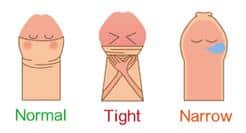
- When you have phimosis, your penis’s foreskin becomes so taut that it is unable to be pulled back, or retracted, to reveal the penis head (glans). Attempting to move the foreskin can occasionally cause cuts or tears.
How to treat Paraphimosis?
First Handled (Manually Reduction):
- Cold Compress: Before attempting manual reduction, apply cold compresses or ice packs to reduce swelling.
- Lubrication: To facilitate reduction, apply a sterile medical gel or petroleum jelly to the area surrounding the glans and foreskin.
- Manual Reduction: To release the trapped fluid and lessen swelling, gently press on the glans.
- Next, pull the foreskin forward to its natural position and press the glans inward.
Puncture Technique:
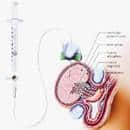 Needle Decompression: To release trapped fluid and aid in manual reduction, tiny punctures can be made with a fine needle (18–20 gauge) if swelling continues. Only a medical professional with training should handle this.
Surgical Intervention:
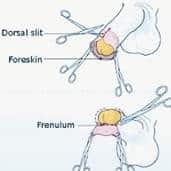 Dorsal Slit: To relieve pressure and enable foreskin repositioning, a small incision may be made in the foreskin (dorsal slit) in severe cases when manual reduction and other techniques are ineffective. The usual procedure for this is local anesthesia.
Circumcision: To stop recurrence in cases that are severe or recurring, circumcision may be advised following the acute episode.
After Treatment Care:
Learn how to take care of their foreskin, including cleaning it on a regular basis and gently retracting it, in order to prevent paraphimosis in the future. Recommend a follow-up visit to evaluate healing and, if required, talk about the possibility of circumcision.
How to treat Phimosis?
Conservative Management:
- Gentle Stretching: Over time, the tight ring of skin can be loosened by gently and regularly stretching the foreskin, particularly during warm baths. Retraction done with force should be avoided as it can cause tears and scars.
- Creams for Topical Steroids
 For four to eight weeks, applying a light corticosteroid cream to the foreskin two to three times a day can help thin and soften the skin, facilitating a gradual retraction.
Medical Supplements:
 Antibiotics: Oral or topical antibiotics may be necessary if the phimosis is complicated by infection (balanitis or balanoposthitis).
Antifungal Creams: Antifungal creams such as clotrimazole may be prescribed if a yeast infection is causing inflammation under the skin.
Surgical Remedies (for Incident or Severe Phimosis):
- Preputioplasty: A less invasive procedure that involves making a tiny incision in the foreskin to widen it while keeping the majority of it intact, is an alternative to circumcision.
- Circumcision: A successful and long-lasting treatment for phimosis is surgical excision of the foreskin. When conservative approaches are unsuccessful in severe or recurring cases, it is advised.
After care treatment for phimosis?
Appropriate Cleaning:As kids get older, they can learn good hygiene practices by cleaning underneath and carefully pulling the foreskin back as far as it will fit.
Moisturizers:Using a light moisturizer on a regular basis can help keep the skin smooth and free of scars or cracks.
FAQ Question
When surgery is recommended?
Surgery might be the best course of action if there are recurring infections, urinary issues, or scar tissue (from diseases like balanitis xerotica obliterans).
Is phimosis common in children?
Yes, physiological phimosis is common in infants and usually resolves naturally by adolescence.
Is paraphimosis serious?
Yes, it is a urological emergency that requires prompt treatment to prevent complications like necrosis of the glans.

Medically reviewed by Dr. Dinesh Kumar, Medical Director, Vivardi Clinics. MBBS (AIMST), LCP-Certified Aesthetic Physician, Cert. Men’s Health. Last reviewed May 2025.
Care at Vivardi is provided by our team of qualified doctors. This page is for general education and does not replace a personal consultation.