Short answer: Some scars fade a lot on their own, and some do not. A scar forms when an injury goes deeper than the top layer of skin, and the body repairs it with collagen laid down in a different, less organised pattern than normal skin. Fresh scars usually improve and soften over roughly twelve to eighteen months. Flat, pale scars often fade until they are barely noticeable. But scars that involve lost or excess tissue, such as pitted acne scars, raised keloids, or deep injury scars, do not fully disappear on their own, because the skin’s original structure was permanently changed. The good news is that most stubborn scars can be significantly improved with the right treatment, even if “erased completely” is rarely realistic.
Scars carry a lot of worry, partly because there is so much confusing advice about them. Will this fade? Is it permanent? Did I do something wrong? This guide answers those questions honestly, explains why scars behave the way they do, and lays out what genuinely helps, from a doctor led point of view.
Why scars form in the first place
Your skin has layers. The top layer, the epidermis, renews itself constantly, which is why a shallow graze heals without a trace. The problem starts when an injury reaches the deeper layer, the dermis, where your skin’s structural collagen lives.
When the dermis is damaged, the body rushes to close the wound quickly, because an open wound is a risk. Speed is the priority, not perfection. It lays down new collagen in a hurried, parallel pattern rather than the neat, basket weave arrangement of undamaged skin. That different collagen structure is the scar. It is functional, it closes the wound, but it does not perfectly match the surrounding skin in texture, colour, or flexibility.
This is the core reason scars can be permanent. The body did not restore the original architecture, it patched over the damage with a different material. How visible that patch remains depends on the type of scar, where it is, how deep the injury went, and your own skin’s healing tendencies. Reputable overviews of wound healing and scarring are available from DermNet and the American Academy of Dermatology.
Which scars fade, and which do not
Not all scars behave the same way, and knowing your type tells you a lot about what to expect.
Scars that usually fade well
- Flat, pale scars. Once a scar has matured to flat and pale, it is often barely noticeable and tends to keep fading slowly over years.
- Fresh red or pink scars. A new scar is often red or pink because of increased blood supply during healing. This colour usually fades over twelve to eighteen months as the scar matures, so a red scar is frequently not the final result.
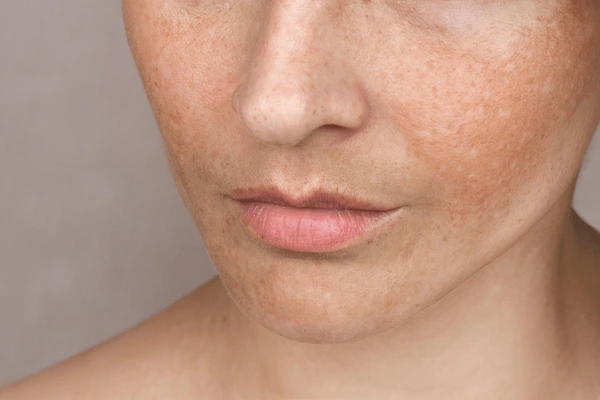
- Post inflammatory marks. The flat brown or red marks left after acne or a minor injury, especially common in Malaysian and Asian skin, are technically pigmentation rather than true scars, and they fade over time and respond well to treatment.
Scars that do not fully fade on their own
- Atrophic scars. These are the sunken, pitted, or depressed scars, most familiar as acne scarring, where tissue was lost. Because there is a deficit of collagen, they do not fill in by themselves.
- Hypertrophic scars. Raised, thickened scars that stay within the boundary of the original wound. They can improve over time but often need help to flatten.
- Keloid scars. Raised scars that grow beyond the original wound edges, caused by an overactive healing response. These are the most stubborn, are more common in darker skin tones, and rarely resolve without treatment.
- Contracture scars. Tight scars, often from burns, that pull the skin and can restrict movement.
So the honest answer to “do scars last forever” is that it depends on the type. Colour usually fades. Lost or excess tissue usually needs treatment.
Why some scars seem like they never heal
People often say a scar “never healed,” but what they usually mean is that it healed into a form they do not like. Technically the wound closed, but the result is raised, sunken, discoloured, or textured.
A few reasons a scar stays prominent:
- The injury was deep, so a lot of dermis was damaged and replaced with scar collagen.
- Healing was complicated by infection, tension on the wound, or repeated trauma such as picking, all of which worsen the final scar.
- The location moves and stretches, like over a joint or on the chest, which keeps tension on the scar.
- Your individual healing tendency, since some people are simply more prone to raised or keloid scarring.
- The scar is still maturing, and judged too early, before it has had its twelve to eighteen months to settle.
That last point is important. A scar that looks angry at three months can look very different at twelve months. Patience is part of the picture, though it is not the whole picture for tissue loss scars.
What actually improves scars
Here is the practical part. What genuinely helps depends on the scar type, which is why a proper assessment matters more than any single product.
For fresh scars: help them mature well
- Sun protection. A fresh scar that gets sunburnt can darken permanently. Daily sunscreen over a maturing scar is one of the simplest, most effective things you can do, especially in the Malaysian climate.
- Silicone gels and sheets are among the best studied at home options for improving the appearance and texture of scars as they heal.
- Keeping the area moisturised and protected during early healing supports a better final result.
- Not picking, and reducing tension on the wound where possible.
For established scars: in clinic treatment
Once a scar is set, treatment aims to remodel it rather than erase it. Options, chosen to fit the scar type, include:
- Laser treatments, which resurface and stimulate new collagen to improve texture and fade discolouration. Our pico laser page covers laser for marks and pigmentation.
- Microneedling and collagen induction, to improve the texture of pitted, atrophic scars by prompting new collagen.
- Chemical peels, which resurface the top layers and help fade discolouration and shallow textural change. See our chemical peel page.
- Injections for raised and keloid scars, to flatten and soften them.
- Targeted treatment for pigmentation left behind by acne or injury.
Most stubborn scars respond best to a combination, tailored to the scar, over a course of sessions. Our dedicated scar reduction page explains the approach in more detail. The realistic goal is significant improvement, softer texture, more even colour, and a scar that no longer draws the eye, rather than a guarantee of complete disappearance.
The honest truth about “erasing” scars
It is worth being direct, because a lot of advertising is not. No treatment reliably erases a deep or textured scar back to perfectly normal skin, because the original skin architecture was permanently changed. What good treatment can do is remodel the scar so it becomes much less visible, often to the point where most people would not notice it.
Managing this expectation is not pessimism, it is what keeps you satisfied with a genuinely good result rather than disappointed by an impossible one. A responsible clinic will tell you what degree of improvement is realistic for your specific scar before you start, not promise a miracle.
Acne scars deserve a special mention
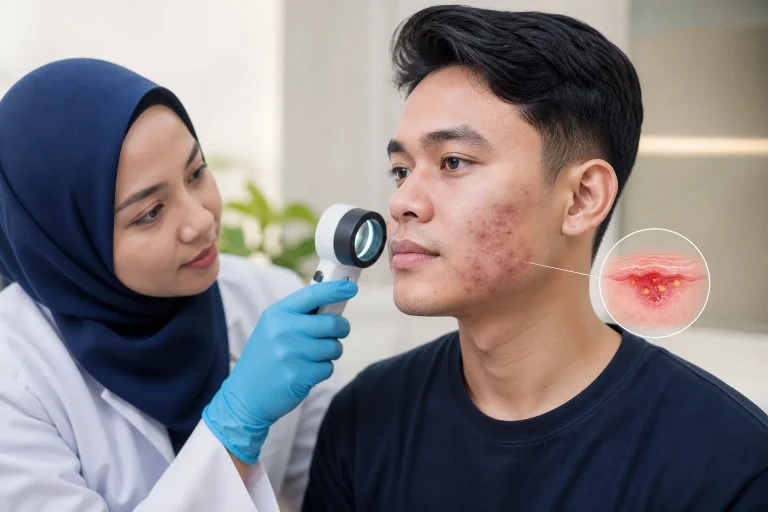
Because acne scarring is so common and so distressing, it is worth calling out. There are two separate problems people lump together. The flat brown or red marks left after a pimple are pigmentation, not true scars, and they fade over time and respond well to peels, laser, and skincare. The pitted, sunken texture is true atrophic scarring, where collagen was lost, and that needs collagen stimulating treatments like microneedling and laser to improve.
The single best acne scar strategy is prevention: treating active acne early and never squeezing, because every deep, inflamed pimple is a chance to scar. If acne is your underlying issue, our acne therapy resources are the right starting point, since clearing the acne comes before treating the scars it leaves.
When to see a doctor about a scar
Consider a consultation if:
- A scar is raised, growing, itchy, or painful, which could be hypertrophic or keloid.
- A scar is sunken or pitted and bothering you.
- Discolouration is not fading after many months.
- A scar restricts movement.
- A scar is affecting your confidence, which is a valid reason on its own.
Earlier treatment often gives better results, particularly for raised scars, so there is no benefit in waiting years to ask.
Why a doctor led clinic in Rawang
Vivardi Clinics is a doctor led aesthetic and men’s health clinic in Rawang, Selangor. Scar treatment is very type dependent, and using the wrong treatment on the wrong scar can waste time or make things worse. A medical assessment identifies exactly what kind of scar you have and builds a realistic, combined plan to improve it. Consultations are private and we follow the PDPA Act Malaysia.
Frequently asked questions
Do scars last forever?
It depends on the type. Colour usually fades over twelve to eighteen months, and flat pale scars can become barely noticeable. Scars involving lost or excess tissue, such as pitted acne scars, raised scars, and keloids, do not fully disappear on their own, but most can be significantly improved with treatment.
Why do some scars never seem to heal?
Usually the wound did close, but it healed into a raised, sunken, or discoloured form because the injury was deep, healing was complicated, or the area is under tension. Some people are also naturally more prone to prominent scarring. A scar judged too early may also still be maturing.
Can scars be completely removed?
Rarely. Because the skin’s original structure was permanently changed, treatment remodels and reduces a scar rather than erasing it. The realistic goal is a much less visible scar, which good treatment can often achieve.
What is the difference between acne marks and acne scars?
Acne marks are flat pigmentation left after a pimple and they fade over time and respond well to peels and laser. Acne scars are true changes in texture, the pits and dents from lost collagen, and they need collagen stimulating treatments to improve.
What is the best treatment for scars?
There is no single best treatment, because it depends on the scar type. Fresh scars benefit from sun protection and silicone. Established scars are treated with laser, microneedling, peels, or injections, often in combination, tailored by a doctor.
Does sun make scars worse?
Yes. A healing scar exposed to sun can darken permanently. Daily sunscreen over a maturing scar is one of the most effective and simplest ways to help it fade well.
Book a consultation
If a scar is bothering you, an assessment will tell you what type it is and what improvement is realistically achievable. Book a consultation or contact Vivardi Clinics in Rawang, Selangor. Everything is handled privately, by qualified doctors.
Written and clinically reviewed by the medical team at Vivardi Clinics in Rawang, Selangor. Last reviewed July 2026. It is general health information, not a substitute for a personal consultation with one of our doctors.

Medically reviewed by Dr. Dinesh Kumar, Medical Director, Vivardi Clinics. MBBS (AIMST), LCP-Certified Aesthetic Physician, Cert. Men’s Health. Last reviewed October 2026.
Care at Vivardi is provided by our team of qualified doctors. This page is for general education and does not replace a personal consultation.